


Please fill out the form below to request a quote or to request more information about us. please be as detailed as possible in your message, and we will get back to you as soon as possible with a response. we're ready to start working on your new project, contact us now to get started.
Bare Aluminum Conductor: Advantages, Applications, And Considerations
2026-06-16
KINGYEAR
42
Welcome to our comprehensive guide on Bare Aluminum Conductors. In this article, we will explore the various advantages and applications of bare aluminum conductors, as well as important considerations to keep in mind when using them. Whether you are a professional in the electrical industry or simply interested in learning more about this important component, this article will provide you with valuable insights and information. Join us as we delve into the world of bare aluminum conductors and uncover their significance in various industries and applications.
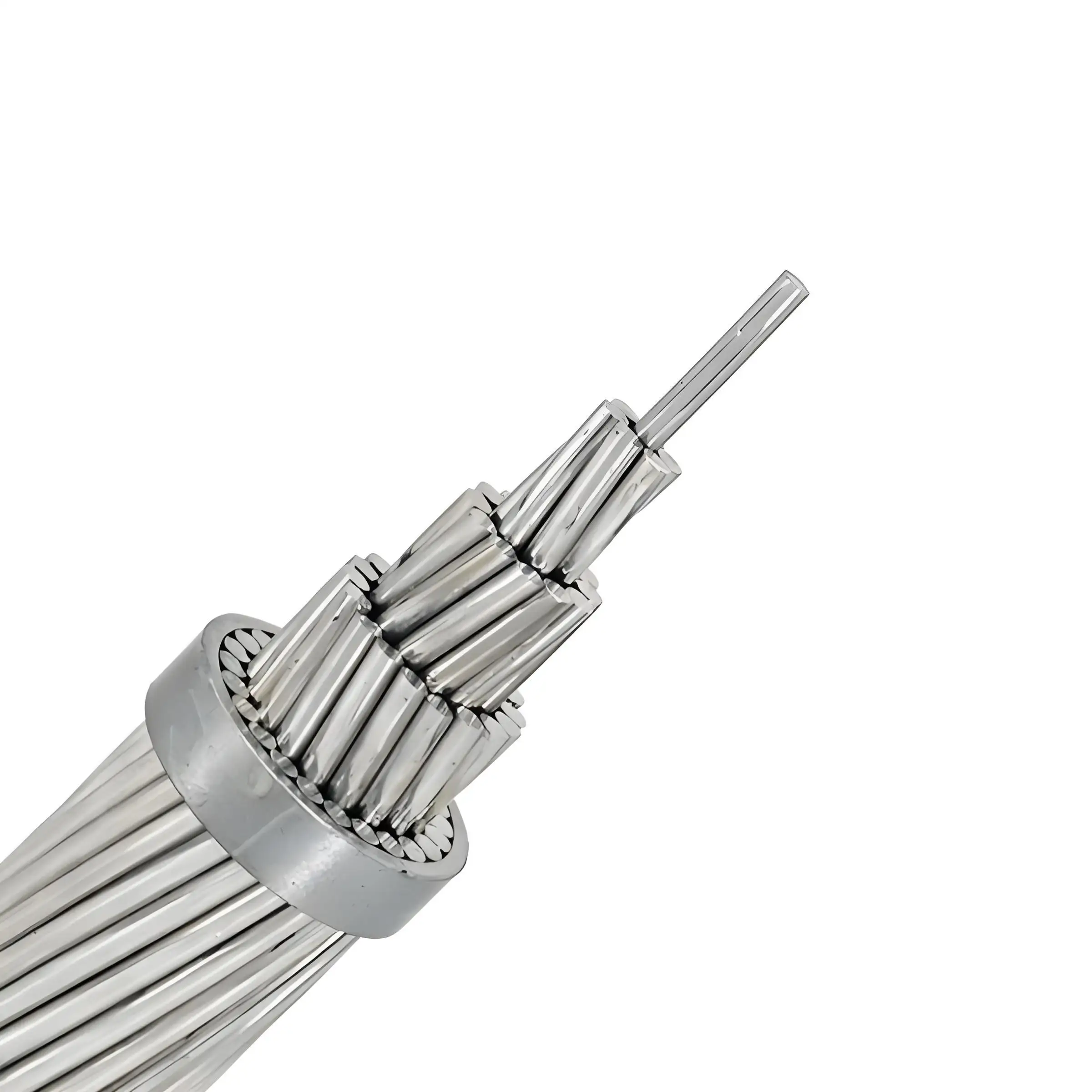
- Introduction to Bare Aluminum Conductor
to Bare Aluminum Conductor
Bare aluminum conductor is a type of electrical conductor that is used in various applications across different industries. This type of conductor is made from aluminum and is not covered with any insulation or sheathing, hence the term "bare". In this article, we will provide a detailed introduction to bare aluminum conductor, including its advantages, applications, and considerations.
Advantages of Bare Aluminum Conductor
There are several advantages to using bare aluminum conductor in electrical applications. One of the main advantages is its cost-effectiveness. Aluminum is a relatively inexpensive material compared to copper, which makes bare aluminum conductor a more economical option for electrical wiring and transmission projects. Additionally, bare aluminum conductor is lightweight and easy to handle, making it ideal for overhead transmission lines and other applications where weight is a concern. Furthermore, aluminum has a high conductivity, which allows for efficient electrical transmission and reduces power loss.
Applications of Bare Aluminum Conductor
Bare aluminum conductor is used in a wide range of applications across various industries. One of the most common uses for bare aluminum conductor is in overhead transmission and distribution lines. The lightweight and high conductivity properties of aluminum make it an ideal choice for these applications. Additionally, bare aluminum conductor is often used in electrical wiring for residential, commercial, and industrial buildings. It is also commonly used in electrical grounding systems and as a grounding conductor in electrical substations.
Considerations for Using Bare Aluminum Conductor
While bare aluminum conductor offers many advantages, there are also some considerations to take into account when using this type of conductor. One of the main considerations is that aluminum is more susceptible to corrosion compared to copper. This can be a concern in outdoor or corrosive environments, and measures may need to be taken to protect the conductor from corrosion. Additionally, aluminum conductors have a higher coefficient of thermal expansion compared to copper, which means they may experience greater expansion and contraction with temperature changes. This can lead to mechanical stress on the conductor and should be considered in the design and installation of the conductor.
In conclusion, bare aluminum conductor is a versatile and cost-effective option for various electrical applications. Its lightweight, high conductivity, and economical cost make it a popular choice for overhead transmission lines, electrical wiring, and grounding systems. However, it is important to consider the potential for corrosion and thermal expansion when using bare aluminum conductor in certain environments. Overall, bare aluminum conductor offers a range of benefits and is a valuable option for many electrical projects.
- Advantages of Using Bare Aluminum Conductor
When it comes to electrical conductivity, aluminum has proven to be an excellent and cost-effective material. As a result, bare aluminum conductors have become increasingly popular in various electrical applications. In this article, we will explore the advantages of using bare aluminum conductor, its applications, and important considerations to keep in mind.
Advantages of Using Bare Aluminum Conductor
1. Cost-Effectiveness: One of the primary advantages of using bare aluminum conductor is its cost-effectiveness. Aluminum is abundant and less expensive than copper, making it an attractive option for electrical conductivity. This cost savings can be significant, especially in large-scale electrical projects.
2. Lightweight: Bare aluminum conductors are also lightweight, making them easier to handle and install compared to other materials. This can contribute to reduced labor costs and improved efficiency during installation.
3. High Conductivity: Despite being lighter than copper, aluminum exhibits impressive electrical conductivity. This means that bare aluminum conductors can effectively transmit electricity over long distances without significant power loss. This makes them an ideal choice for overhead power lines and transmission cables.
4. Corrosion Resistance: Aluminum naturally forms a thin oxide layer on its surface, which provides some degree of protection against corrosion. This makes bare aluminum conductors suitable for outdoor and high-moisture environments, such as overhead power lines and electrical distribution systems.
5. Durability: Bare aluminum conductors are known for their durability and longevity. When properly installed and maintained, they can withstand harsh environmental conditions for many years, making them a reliable choice for electrical applications.
6. Compatibility: Bare aluminum conductors are compatible with various connector and termination types, making them versatile and easy to integrate into different electrical systems.
Applications of Bare Aluminum Conductor
Bare aluminum conductors are used in a wide range of electrical applications, including:
1. Overhead Power Lines: One of the most common uses of bare aluminum conductors is in overhead power line installations. Their light weight and high conductivity make them well-suited for transmitting electricity over long distances.
2. Electrical Distribution Systems: Bare aluminum conductors are also used in electrical distribution systems to transmit power from substations to residential, commercial, and industrial areas.
3. Industrial Applications: In industrial settings, bare aluminum conductors are used in a variety of applications, including motor and generator connections, busbars, and control panels.
Considerations for Using Bare Aluminum Conductor
While bare aluminum conductors offer numerous advantages, there are some important considerations to keep in mind:
1. Expansion and Contraction: Aluminum conducts electricity more efficiently when it is cold, and expands when it is hot. As a result, allowances must be made for expansion and contraction in the design and installation of bare aluminum conductors.
2. Joint Integrity: Proper installation and maintenance of connections and joints are critical for ensuring the integrity and performance of bare aluminum conductors. Special attention must be paid to prevent galvanic corrosion when connecting aluminum conductors to other materials, such as copper.
3. Environmental Factors: While aluminum is naturally corrosion-resistant, exposure to certain environments, such as coastal areas with salt air, can accelerate corrosion. Adequate protection and maintenance are necessary to ensure the longevity of bare aluminum conductors in these conditions.
In conclusion, the use of bare aluminum conductor offers several advantages, including cost-effectiveness, high conductivity, and durability. These conductors are widely used in overhead power lines, electrical distribution systems, and industrial applications. However, it is important to consider factors such as expansion and contraction, joint integrity, and environmental conditions when using bare aluminum conductors to ensure optimal performance and longevity.
- Applications and Uses of Bare Aluminum Conductor
Bare aluminum conductor is a type of electrical conductor that is made entirely of aluminum, without any additional insulation or sheathing. This type of conductor is commonly used in a variety of applications due to its many advantages, and it plays a key role in the transmission and distribution of electricity.
One of the main advantages of bare aluminum conductor is its high conductivity. Aluminum is an excellent conductor of electricity, and bare conductors are able to carry high levels of electrical current without experiencing significant power losses. This makes them an ideal choice for use in power distribution systems, where efficiency and reliability are of utmost importance.
Another benefit of bare aluminum conductor is its lightweight nature. Aluminum is much lighter than other common metals used in conductors, such as copper or steel. This makes bare aluminum conductors easier to handle and install, reducing labor and material costs for electrical projects.
Bare aluminum conductor is also highly resistant to corrosion. Aluminum naturally forms a thin oxide layer on its surface, which provides protection against environmental factors such as moisture, chemicals, and UV radiation. This makes bare conductors suitable for use in a wide range of outdoor applications, including overhead power lines and utility poles.
In terms of applications, bare aluminum conductor is commonly used in overhead power transmission and distribution lines. These conductors are strung between utility poles or towers, providing a secure and efficient means of transporting electricity over long distances. The high conductivity and corrosion resistance of bare aluminum conductors make them an ideal choice for this purpose, ensuring reliable and consistent power supply to homes and businesses.
Bare aluminum conductor is also used in grounding and bonding applications. The high conductivity of aluminum allows for effective dissipation of electrical currents, reducing the risk of electrical hazards and ensuring the safety of electrical systems. Additionally, the corrosion resistance of bare conductors makes them suitable for use in outdoor grounding systems, where they are exposed to environmental elements.
In addition, bare aluminum conductor is utilized in electrical distribution systems within buildings and facilities. These conductors are commonly used in wiring applications, where they are installed in conduits or raceways to carry electrical current to various electrical devices and equipment. The lightweight and easy-to-handle nature of bare aluminum conductors makes them a practical choice for interior electrical installations.
In conclusion, bare aluminum conductor has a wide range of applications and uses due to its high conductivity, lightweight nature, and corrosion resistance. Whether used in overhead power lines, grounding systems, or interior electrical distribution, bare aluminum conductor plays a critical role in the reliable and efficient transmission of electricity. As technology continues to evolve, the demand for bare aluminum conductor is likely to increase, further solidifying its importance in the electrical industry.
- Considerations When Choosing Bare Aluminum Conductor
When it comes to choosing the right bare aluminum conductor for your specific application, there are a number of important considerations to keep in mind. Bare aluminum conductors are widely used in a variety of electrical applications due to their numerous advantages, but it’s crucial to select the right type for your specific needs.
One of the primary considerations when choosing a bare aluminum conductor is the conductivity of the metal. Aluminum has a lower conductivity than copper, but it also has a lower density, making it a lightweight and cost-effective option for many applications. It’s important to carefully consider the required level of conductivity for your project and select a bare aluminum conductor that meets those needs.
Another important consideration is the environmental conditions in which the bare aluminum conductor will be used. Aluminum conductors are highly resistant to corrosion, which makes them a popular choice for outdoor and industrial applications. However, they are more susceptible to oxidation than copper conductors, so it’s important to consider the potential for exposure to moisture and other corrosive elements when selecting a bare aluminum conductor.
In addition to conductivity and environmental considerations, it’s also important to think about the mechanical strength and durability of the bare aluminum conductor. Aluminum conductors are flexible and easy to work with, but they are also more prone to mechanical damage than copper conductors. When choosing a bare aluminum conductor, it’s important to consider the specific mechanical demands of your application and select a conductor that can withstand the necessary levels of stress and strain.
Another important consideration when choosing a bare aluminum conductor is the cost. Aluminum conductors are generally less expensive than copper conductors, making them an attractive option for many projects. However, it’s important to carefully consider the total cost of ownership, including factors such as installation, maintenance, and potential longevity, when comparing the cost of aluminum and copper conductors.
Finally, it’s important to consider the specific requirements and standards for your application when choosing a bare aluminum conductor. There are a wide variety of aluminum conductor types and specifications available, so it’s important to carefully review the relevant industry standards and select a conductor that meets all necessary requirements.
In conclusion, there are a number of important considerations to keep in mind when choosing a bare aluminum conductor for your specific application. By carefully considering factors such as conductivity, environmental conditions, mechanical strength, cost, and industry standards, you can select the right bare aluminum conductor to meet your project's needs.
- Conclusion and Final Thoughts on Bare Aluminum Conductor
Bare aluminum conductors have become an increasingly popular choice in the electrical industry due to their numerous advantages, wide range of applications, and specific considerations that must be taken into account. As we conclude our exploration of bare aluminum conductors, it is important to reflect on their significance and potential impact in the electrical field.
One of the key advantages of bare aluminum conductors is their cost-effectiveness. Compared to other conductor materials, such as copper, aluminum is a more affordable option without sacrificing quality or performance. This makes bare aluminum conductors an attractive choice for electrical projects with budget constraints. Additionally, the lightweight nature of aluminum makes it easier to handle and install, reducing labor and transportation costs.
Furthermore, bare aluminum conductors are known for their excellent conductivity and durability. Despite being a lightweight material, aluminum has a high electrical conductivity, making it an efficient option for transmitting electricity. In addition, aluminum conductors have a high resistance to corrosion, ensuring that they have a longer lifespan and require less maintenance compared to other conductor materials.
In terms of applications, bare aluminum conductors are widely used in various electrical projects, including overhead power transmission lines, distribution lines, and substation bus bars. Their lightweight and high conductivity make them suitable for long-distance transmission of electricity, and their durability allows them to withstand harsh environmental conditions. This versatility makes bare aluminum conductors a popular choice for utility companies and electrical contractors.
However, it is important to consider certain aspects when using bare aluminum conductors. One of the main considerations is the potential for galvanic corrosion when aluminum comes into contact with other metals. This can be mitigated by using proper installation techniques and choosing compatible connector materials. Additionally, aluminum conductors have a higher coefficient of linear expansion compared to copper, which must be taken into account when designing and installing electrical systems.
In conclusion, bare aluminum conductors offer a range of advantages and applications in the electrical industry. Their cost-effectiveness, high conductivity, and durability make them a practical choice for various projects. However, it is important to consider specific factors, such as galvanic corrosion and thermal expansion, to ensure the proper use and performance of bare aluminum conductors. As the demand for efficient and reliable electrical solutions continues to grow, bare aluminum conductors are likely to play a crucial role in meeting these needs.
Conclusion
In conclusion, bare aluminum conductor cables offer numerous advantages such as lightweight, high conductivity, and cost-effectiveness, making them a popular choice in various applications such as overhead power distribution lines and electrical transmission systems. However, it's important to consider factors such as corrosion resistance and temperature limitations when using bare aluminum conductors. Overall, it’s clear that bare aluminum conductors are a versatile and efficient option for many electrical applications, and their advantages outweigh the potential considerations. As technology continues to evolve, it's likely that bare aluminum conductors will remain a crucial component in the electrical industry for the foreseeable future.
GET IN TOUCH WITH Us
Ready to work with us?

Find us here:
The cable factory from 2007-2018 are mainly for domestic trading and processing to some export tradingcompanies. The average sales amount are about RMB 320,000,000 per year. For cables oversea market, From last may till now we have expanded our market to Bolivia, Peru, Dominican, Philippines, Vietnam, Thailand, Iraq, Mongolia, Indonesia and some Africa country.
Copyright © 2026 KINGYEAR |Sitemap丨Privacy Polcy