


Please fill out the form below to request a quote or to request more information about us. please be as detailed as possible in your message, and we will get back to you as soon as possible with a response. we're ready to start working on your new project, contact us now to get started.
Exploring The Benefits Of 6 Bare Copper Wire Stranded: A Guide For Working With Stranded Wires
2026-06-12
KINGYEAR
36
Are you looking to expand your knowledge and expertise in working with stranded wires? Look no further! In this comprehensive guide, we will explore the numerous benefits of using 6 bare copper wire stranded. Whether you're a seasoned professional or a novice in the field, this article will provide valuable insights and practical tips for working with stranded wires. From increased flexibility to enhanced durability, there are countless advantages to utilizing this type of wire. So, dive in and discover the endless possibilities of working with 6 bare copper wire stranded.
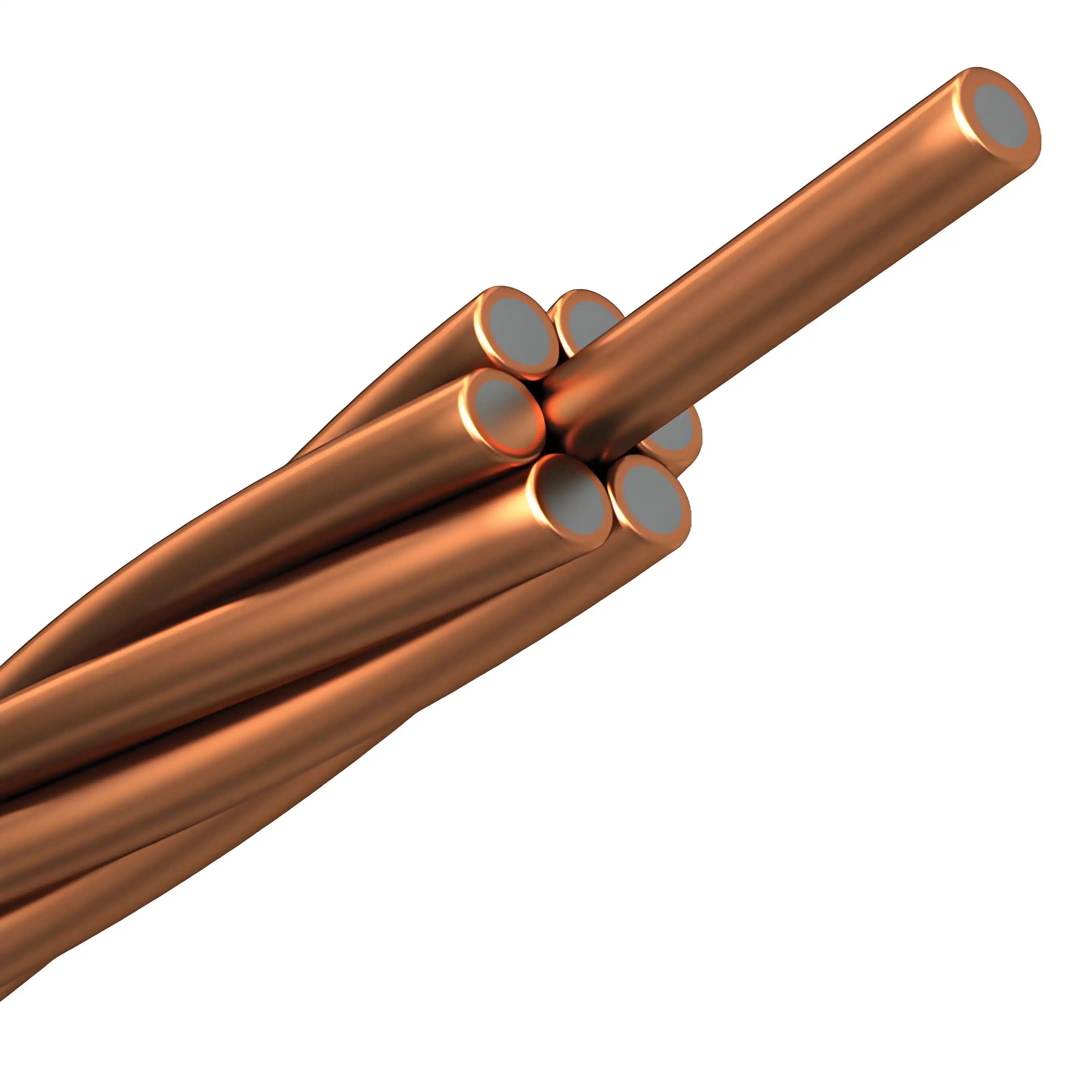
- Understanding the Basics of Bare Copper Wire Stranded
If you are in the market for electrical wiring, there are a few important terms you should be familiar with. One of these terms is "bare copper wire stranded." In this article, we will explore the basics of bare copper wire stranded and discuss its benefits, particularly focusing on the 6 bare copper wire stranded.
To begin, let's take a closer look at what bare copper wire stranded actually means. Bare copper wire is exactly what it sounds like - copper wire that is free of any insulation. This type of wire is commonly used in electrical applications due to its conductivity and malleability. However, bare copper wire is often stranded, meaning it is made up of multiple smaller gauge wires twisted together. This stranding helps to increase the wire's flexibility and strength, making it ideal for applications where the wire will be subject to movement and bending.
Now, let's discuss the specific benefits of 6 bare copper wire stranded. One of the main advantages of this type of wire is its flexibility. The stranding process allows the wire to bend and flex more easily than a solid copper wire, making it easier to work with in tight spaces or applications where the wire needs to be routed around obstacles. Additionally, the stranding helps to increase the overall strength of the wire, reducing the risk of breakage or damage during installation or use.
Another benefit of 6 bare copper wire stranded is its increased surface area. The multiple smaller gauge wires used in stranding create a larger overall surface area for the wire, which in turn increases its conductivity. This makes 6 bare copper wire stranded an excellent choice for applications where high conductivity is essential, such as power distribution or grounding systems.
Furthermore, the stranding process also helps to improve the wire's resistance to vibration and fatigue. The individual wire strands can move independently of each other, reducing the stress on any single strand and minimizing the risk of wire fatigue or failure over time. This makes 6 bare copper wire stranded a reliable choice for applications where the wire may be subject to continuous movement or vibration.
In conclusion, understanding the basics of bare copper wire stranded, particularly the 6 bare copper wire stranded, is essential for anyone working with electrical wiring. The flexibility, strength, conductivity, and resistance to vibration and fatigue make this type of wire an excellent choice for a wide range of electrical applications. Whether you are a professional electrician or a DIY enthusiast, 6 bare copper wire stranded is a versatile and reliable option for your wiring needs.
- Advantages of Using Stranded Wires in Electrical Work
When it comes to electrical work, using the right kind of wire is crucial for ensuring safety and efficiency. One type of wire that has gained popularity in recent years is stranded wire, particularly 6 bare copper wire stranded. In this guide, we will explore the advantages of using stranded wires in electrical work, with a focus on the benefits of 6 bare copper wire stranded.
One of the main advantages of using stranded wires is their flexibility. Unlike solid wires, which are made of a single, solid conductor, stranded wires are made of multiple smaller wires twisted together. This design allows stranded wires to be more flexible and easier to work with, especially in applications where the wire needs to be bent or twisted into tight spaces. This flexibility also makes it easier to install and maneuver the wires in complex electrical systems, saving time and effort for electricians and other professionals.
In addition to their flexibility, stranded wires offer better conductivity compared to solid wires. The multiple smaller wires in stranded wires provide more surface area for electrical current to travel through, resulting in lower resistance and better conductivity. This means that stranded wires can carry more current for a given wire size, making them a more efficient choice for electrical work. This is particularly beneficial for 6 bare copper wire stranded, as copper is already a highly conductive material, and the stranded design further enhances its conductivity.
Another advantage of using stranded wires, especially 6 bare copper wire stranded, is their durability. The multiple strands of wire provide additional redundancy, making the wire more resistant to breakage and fatigue from bending and flexing. This makes stranded wires a more reliable choice for applications where the wire is subject to frequent movement or vibration, such as in automotive wiring or industrial machinery. The durability of 6 bare copper wire stranded also makes it a popular choice for outdoor and underground applications, where the wire is exposed to harsh environmental conditions.
Furthermore, the flexibility and durability of stranded wires translate to easier installation and maintenance. The flexibility of stranded wires allows for easier routing and installation in tight spaces, while their durability reduces the need for frequent repairs or replacements. This not only saves time and effort during the initial installation but also reduces the long-term maintenance costs associated with electrical systems. For 6 bare copper wire stranded, this means that once installed, the wire can be relied upon to provide consistent and reliable electrical connectivity for an extended period.
In conclusion, the benefits of using 6 bare copper wire stranded in electrical work are substantial. The flexibility, conductivity, durability, and ease of installation and maintenance make it a superior choice for a wide range of applications. Whether in residential, commercial, or industrial settings, 6 bare copper wire stranded offers a reliable and efficient solution for electrical wiring needs. Electricians and other professionals can confidently choose stranded wire for their projects, knowing that it will deliver exceptional performance and longevity.
- Tips for Handling and Working with Stranded Wires
Working with stranded wires can be a daunting task, especially if you are new to the world of electrical engineering or DIY projects. However, with the right tools and techniques, handling and working with stranded wires can become a much more manageable process. In this guide, we will explore the benefits of 6 bare copper wire stranded and provide tips for working with these versatile conductors.
To begin, let's take a closer look at the benefits of 6 bare copper wire stranded. This type of wire is made up of multiple thin strands of copper that are twisted together to form a single conductor. This construction gives stranded wire several advantages over solid wire, including increased flexibility, resistance to breakage, and improved conductivity. Additionally, the flexibility of stranded wire makes it the ideal choice for applications that require frequent bending or movement, such as automotive wiring or robotics.
Now that we understand the benefits of 6 bare copper wire stranded, let's discuss some tips for handling and working with these wires. One of the most important considerations when working with stranded wire is ensuring that the individual strands are properly secured and terminated. To achieve this, it is essential to use quality wire stripping and crimping tools that are specifically designed for use with stranded wire. These tools will help to prevent damage to the wire strands and ensure a secure connection.
Another tip for working with stranded wires is to always tin the ends of the wires before making any connections. Tinning involves coating the exposed wire strands with solder, which helps to prevent fraying and makes it easier to create strong, reliable connections. Additionally, tinning the wires can help to ensure that the individual strands remain securely twisted together, reducing the risk of breakage or damage during installation.
When working with 6 bare copper wire stranded, it is also important to use the correct gauge of wire for your specific application. Choosing a wire with the appropriate gauge will help to ensure that it can safely carry the necessary current without becoming overloaded or overheated. Additionally, using the correct gauge of wire will help to minimize voltage drop and ensure that your electrical system operates efficiently.
Finally, when working with stranded wires, it is important to take care when bending and routing the wire to avoid damaging the individual strands. It is best to use gentle, gradual bends and avoid sharp bends or kinks that can put excessive stress on the wire. Additionally, using protective covers or loom to secure and protect the wires can help to prevent damage and prolong the lifespan of your electrical system.
In conclusion, 6 bare copper wire stranded offers a range of benefits and applications for those working with electrical wiring. By following these tips for handling and working with stranded wires, you can ensure that your electrical projects are safe, reliable, and long-lasting. With the right tools, techniques, and attention to detail, working with stranded wires can be a manageable and rewarding experience.
- Common Applications for 6 Bare Copper Wire Stranded
Bare copper wire stranded is a popular choice in many industries and applications due to its flexibility, strength, and conductivity. In this guide, we will explore the common applications for 6 bare copper wire stranded and the benefits of using this type of wire in various projects.
1. Electrical Wiring
One of the most common applications for 6 bare copper wire stranded is in electrical wiring. Its flexibility and strength make it an ideal choice for use in residential, commercial, and industrial electrical systems. The stranded design allows for easier installation and better resistance to breakage, making it a reliable option for carrying electrical currents.
2. Telecommunication Systems
6 bare copper wire stranded is also widely used in telecommunication systems, including telephone lines, data cables, and networking applications. Its conductivity and flexibility make it a suitable choice for transmitting signals over long distances without loss of quality or strength.
3. Automotive Industry
In the automotive industry, 6 bare copper wire stranded is used in various electrical and electronic systems, including wiring harnesses, battery cables, and sensor connections. Its ability to withstand vibrations, temperature fluctuations, and heavy use makes it a dependable option for automotive applications.
4. Marine and Aerospace Applications
Due to its resistance to corrosion and environmental factors, 6 bare copper wire stranded is often used in marine and aerospace applications. It is commonly found in navigation systems, communication equipment, and electrical wiring on boats, ships, airplanes, and spacecraft.
5. Power Distribution
6 bare copper wire stranded is an essential component in power distribution systems, including power plants, substations, and renewable energy installations. Its high conductivity and durability make it an ideal choice for carrying high voltage currents over long distances.
6. Industrial Machinery
In industrial machinery and equipment, 6 bare copper wire stranded is used in motors, generators, control panels, and other electrical components. Its flexibility and strength allow for easy installation and reliable performance in demanding industrial environments.
Overall, the benefits of using 6 bare copper wire stranded in these applications include its flexibility, strength, conductivity, and resistance to environmental factors. When working with stranded wires, it is important to choose the right size and gauge for the specific requirements of the project to ensure optimal performance and safety.
In conclusion, 6 bare copper wire stranded is a versatile and reliable option for various industries and applications, including electrical wiring, telecommunication systems, automotive, marine and aerospace, power distribution, and industrial machinery. Its flexibility, strength, and conductivity make it an essential component in many projects, providing long-lasting performance and reliability.
- Comparing Stranded Wires to Solid Wires: Which is Better for Your Project?
When it comes to working on electrical projects, one of the most crucial decisions you'll have to make is choosing the right type of wire for the job. Two common options are stranded wires and solid wires, each with its own set of advantages and disadvantages. In this article, we'll be exploring the benefits of 6 bare copper wire stranded and comparing it to solid wires to help you make an informed decision for your next project.
To start off, let's take a closer look at what exactly stranded wires are. Stranded wires are made up of multiple smaller wires that are twisted or braided together to form a single conductor. This construction allows for higher flexibility and resistance to fatigue, making them ideal for applications that require frequent bending or movement. On the other hand, solid wires are composed of a single, solid metal conductor, making them less flexible but more suitable for applications that require a stable, fixed connection.
Now, let's dive into the specific benefits of 6 bare copper wire stranded. The number 6 refers to the gauge of the wire, with lower gauge numbers indicating a thicker wire. In the case of 6 bare copper wire, the larger gauge provides a higher level of conductivity, making it suitable for heavy-duty applications that require a significant amount of power transmission. Additionally, the use of bare copper as the conductor material offers excellent electrical conductivity and corrosion resistance, making it a reliable choice for both indoor and outdoor projects.
One of the key advantages of 6 bare copper wire stranded is its flexibility. The stranded construction allows the wire to bend and twist with ease, making it well-suited for applications that involve tight spaces or frequent movement. This flexibility also reduces the risk of wire fatigue and breakage, ensuring a longer lifespan for the wire and the overall electrical system.
In contrast, solid wires may be more prone to breakage when subjected to consistent bending or movement, making them less suitable for dynamic applications. However, solid wires do excel in providing a stable, secure connection, which is essential for projects that demand a fixed, unyielding electrical path.
Ultimately, the choice between stranded and solid wires depends on the specific requirements of your project. If you're working on a project that involves frequent movement or tight spaces, 6 bare copper wire stranded would be the better option due to its flexibility and resistance to fatigue. On the other hand, if your project requires a stable, unyielding connection, solid wires may be the more suitable choice despite their lack of flexibility.
In conclusion, 6 bare copper wire stranded offers a range of benefits that make it a valuable option for a variety of electrical projects. Its flexibility, high conductivity, and resistance to fatigue make it an excellent choice for applications that demand a reliable, long-lasting electrical connection. By understanding the specific advantages of stranded wires and comparing them to solid wires, you can make an informed decision that will contribute to the success and longevity of your electrical projects.
Conclusion
In conclusion, working with stranded bare copper wire offers a multitude of benefits for a variety of applications. Whether you’re working on electrical projects, crafting DIY home decor, or creating jewelry, the flexibility, durability, and conductivity of stranded wires make them an ideal choice. By understanding the advantages of stranded wires and how to work with them effectively, you can confidently take on any project with ease. So, whether you’re a novice or an experienced DIY enthusiast, consider using stranded bare copper wire for your next project and reap the benefits of this versatile material. Happy crafting!
Table of Contents
GET IN TOUCH WITH Us
Ready to work with us?

Find us here:
The cable factory from 2007-2018 are mainly for domestic trading and processing to some export tradingcompanies. The average sales amount are about RMB 320,000,000 per year. For cables oversea market, From last may till now we have expanded our market to Bolivia, Peru, Dominican, Philippines, Vietnam, Thailand, Iraq, Mongolia, Indonesia and some Africa country.
Copyright © 2026 KINGYEAR |Sitemap丨Privacy Polcy