


Please fill out the form below to request a quote or to request more information about us. please be as detailed as possible in your message, and we will get back to you as soon as possible with a response. we're ready to start working on your new project, contact us now to get started.
Exploring The Role And Importance Of Aerial Conductors In Electricity Distribution
2026-05-17
KINGYEAR
46
Welcome to our exploration of the crucial role that aerial conductors play in the distribution of electricity. As we delve into the significance and impact of these vital components, we will provide a comprehensive understanding of their function in maintaining the reliable supply of power to our homes and businesses. Join us as we unravel the complexities of aerial conductors and gain a deeper appreciation for their importance in the modern world of electricity distribution.
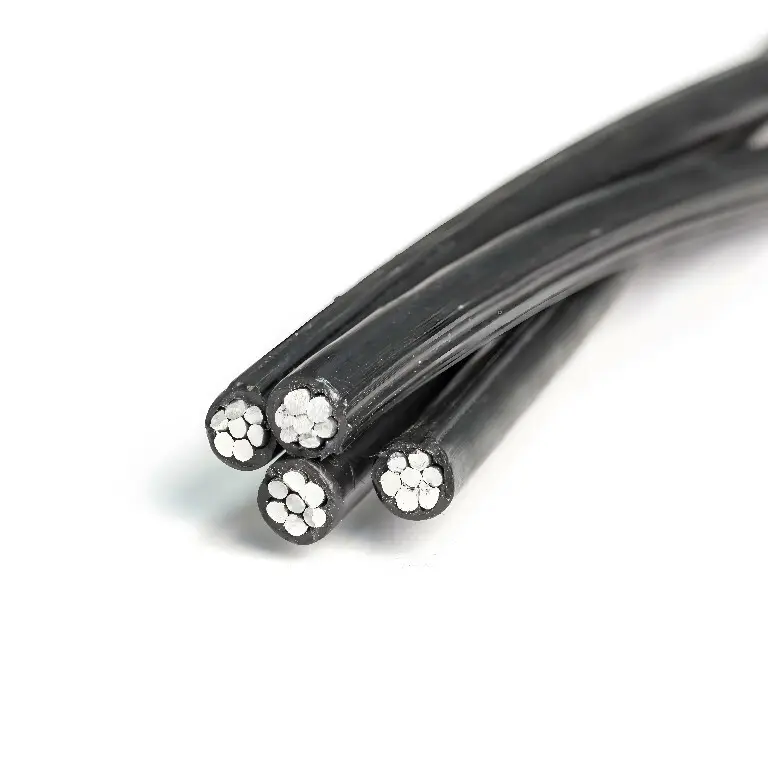
- Introduction to Aerial Conductors in Electricity Distribution
Electricity distribution is a vital part of our modern society, and one of the key components that make it all possible is the aerial conductor. These conductors play a crucial role in the transmission and distribution of electricity, serving as the backbone of the entire system. In this article, we will explore the role and importance of aerial conductors in electricity distribution, providing you with a comprehensive introduction to this essential component of the electrical grid.
Aerial conductors, also known as overhead lines or power lines, are cables that are suspended on poles or towers to transmit and distribute electricity. They are typically made of aluminum or copper, and are designed to carry high voltage electricity from power plants to substations, and from substations to homes, businesses, and other end-users. Aerial conductors are a common sight in urban and rural areas, and are easily recognizable by their distinct appearance and the humming sound they emit.
The primary role of aerial conductors in electricity distribution is to facilitate the efficient and reliable transmission of electricity over long distances. When electricity is generated at a power plant, it needs to be transported to where it is needed, which often involves covering long distances. Aerial conductors are used to transport the electricity from the power plant to local substations, where it can be stepped down to lower voltages for distribution to end-users. Without aerial conductors, it would be practically impossible to transmit electricity over such long distances, making them an indispensable part of the electrical grid.
Another important role of aerial conductors is to provide a reliable means of distributing electricity to end-users. Once the electricity has been transmitted to local substations, it needs to be distributed to homes, businesses, and other consumers. Aerial conductors are used to carry the electricity from the substations to the end-users, ensuring that they have access to the power they need to run appliances, lights, and other electrical devices. This distribution network relies heavily on aerial conductors, which are responsible for ensuring that electricity reaches its intended destination safely and efficiently.
The importance of aerial conductors in electricity distribution cannot be overstated. Without them, the entire electrical grid would grind to a halt, leaving millions of people without power. Aerial conductors form the backbone of the electrical distribution system, and are essential for ensuring the reliable and efficient transmission and distribution of electricity. As our society becomes increasingly reliant on electricity for our daily needs, the role of aerial conductors will only become more important in the years to come.
In conclusion, aerial conductors play a critical role in the transmission and distribution of electricity, serving as the backbone of the entire electrical grid. Without them, the reliable and efficient distribution of electricity would be impossible, leaving us without the power that we rely on for so many aspects of our daily lives. As our society continues to grow and develop, the importance of aerial conductors in electricity distribution will only continue to increase, making them an essential component of our modern world.
- Types of Aerial Conductors Used in Electricity Distribution
Electricity distribution is an integral part of modern society, enabling homes, businesses, and industries to access the power they need to function. A crucial element of electricity distribution is the use of aerial conductors, which are used to transport electricity across long distances and through various terrains. In this article, we will explore the role and importance of aerial conductors in electricity distribution, as well as the different types of aerial conductors used for this purpose.
Aerial conductors, also known as overhead lines, are the most common method of transmitting electricity from power plants to homes and businesses. They consist of wires, cables, or other conductive materials that are strung between utility poles or towers. These conductors are designed to carry high-voltage electricity over long distances, and they play a crucial role in ensuring that electrical power reaches its intended destination.
The importance of aerial conductors in electricity distribution cannot be overstated. Without them, it would be impossible to transmit electricity over the long distances required to reach populated areas. Aerial conductors also play a critical role in delivering electricity to remote and hard-to-reach locations, where underground cables may not be a feasible option. In addition, aerial conductors are often more cost-effective than underground cables, making them the preferred choice for many electricity distribution projects.
There are several different types of aerial conductors used in electricity distribution, each with its own unique characteristics and advantages. The most common types of aerial conductors include bare overhead conductors, insulated overhead conductors, and overhead shielded cables.
Bare overhead conductors are the simplest and most basic type of aerial conductor. They consist of bare wires that are strung between utility poles or towers, and they are typically used in rural and low-traffic areas. While bare overhead conductors are cost-effective and easy to install, they are more susceptible to damage from environmental factors such as wind, ice, and lightning.
Insulated overhead conductors, on the other hand, are designed with a protective coating or insulation that helps to reduce the risk of damage from environmental factors. These conductors are commonly used in more populated areas and urban environments, where the risk of damage to the conductors is higher. Insulated overhead conductors provide a higher level of safety and reliability, but they are also more expensive and require more maintenance than bare overhead conductors.
Overhead shielded cables are another type of aerial conductor that is commonly used in electricity distribution. These cables are covered with a protective shield or sheath that helps to minimize the risk of damage from environmental factors and reduce the risk of electrical interference. Overhead shielded cables are often used in areas with high levels of electrical interference, such as industrial or commercial areas, and they are designed to provide a high level of reliability and performance.
In conclusion, aerial conductors play a critical role in the distribution of electricity, allowing it to be transported over long distances and through various terrains. There are several different types of aerial conductors used in electricity distribution, each with its own unique characteristics and advantages. Understanding the role and importance of aerial conductors, as well as the different types available, is crucial for ensuring the reliable and efficient distribution of electricity to homes, businesses, and industries.
- The Importance of Aerial Conductors in Reliable Electricity Distribution
Electricity distribution is a critical component of modern infrastructure, providing power to homes, businesses, and other facilities. A crucial element of electricity distribution systems is the use of aerial conductors, which play a vital role in ensuring the reliable delivery of electricity to consumers. In this article, we will explore the role and importance of aerial conductors in electricity distribution, highlighting their significance in maintaining a robust and efficient power grid.
Aerial conductors, also known as overhead power lines, are the visible wires and cables that are suspended above the ground and are used to transmit electricity from power plants to substations and then to individual consumers. These conductors are typically made of aluminum or copper, which are excellent conductors of electricity and are able to carry high voltages over long distances without significant losses.
One of the key benefits of using aerial conductors in electricity distribution is their ability to efficiently transport electricity over large areas. By suspending the conductors high above the ground, they are able to cover vast distances and navigate around obstacles such as buildings, trees, and other structures. This allows for the creation of a comprehensive and interconnected power grid, enabling the efficient distribution of electricity to different regions and communities.
Furthermore, aerial conductors are essential for ensuring the resiliency and reliability of electricity distribution networks. By being suspended above the ground, they are less susceptible to damage from external factors such as flooding, earthquakes, or other natural disasters. This makes them a more reliable and durable option for transmitting electricity, especially in areas that are prone to extreme weather conditions or environmental challenges.
In addition to their role in transporting electricity, aerial conductors also play a crucial role in maintaining the stability of the power grid. By carrying high voltages, they help to regulate and control the flow of electricity, ensuring that power is distributed evenly and consistently across the network. This is essential for preventing power outages and disruptions, and for maintaining a constant and reliable supply of electricity to consumers.
Aerial conductors are also instrumental in providing flexibility and adaptability to electricity distribution systems. As demand for electricity fluctuates throughout the day and across different seasons, the ability to adjust and optimize the flow of electricity is essential for maintaining a balanced and efficient power grid. Aerial conductors allow for the easy addition or reconfiguration of transmission lines, making it possible to scale up or down the capacity of the grid as needed.
In conclusion, aerial conductors are a crucial component of electricity distribution, playing a fundamental role in ensuring the reliable, resilient, and efficient delivery of power to consumers. Their ability to transport electricity over long distances, their resilience to external factors, and their role in maintaining the stability and flexibility of the power grid make them an essential part of modern infrastructure. Moving forward, as the demand for electricity continues to grow and the energy landscape evolves, the role and importance of aerial conductors in electricity distribution will only continue to become more significant.
- Challenges and Maintenance of Aerial Conductors in Electricity Distribution
Aerial conductors play a crucial role in the distribution of electricity, serving as the means through which power is transmitted from the source to consumers. As such, the challenges and maintenance of these conductors are of utmost importance to ensure the reliability and efficiency of the electricity distribution network.
One of the primary challenges associated with aerial conductors in electricity distribution is the exposure to harsh environmental conditions. Aerial conductors are often exposed to extreme weather conditions, such as high winds, ice storms, and lightning, which can result in damage to the conductors. This can lead to power outages and disruptions in electricity supply, impacting consumers and businesses alike. As a result, regular maintenance and inspections are necessary to identify and address any potential issues before they escalate into larger problems.
Another challenge faced in the maintenance of aerial conductors is the risk of mechanical damage. Aerial conductors are often installed in areas that are accessible to birds, wildlife, and vegetation, increasing the risk of physical damage to the conductors. Additionally, human activities, such as construction work or vandalism, can also pose a threat to the integrity of the aerial conductors. Regular inspections and preventive measures, such as the installation of protective devices and clearances, are essential to mitigate the risk of mechanical damage to the conductors.
Furthermore, with the increasing demand for electricity, the capacity of aerial conductors in electricity distribution systems is constantly being pushed to its limits. Overloaded conductors can lead to overheating and increased electrical resistance, reducing the efficiency of power transmission and potentially causing equipment failure. As such, the capacity of aerial conductors must be carefully monitored and upgraded to accommodate the growing demand for electricity.
In addition to the challenges, the maintenance of aerial conductors in electricity distribution also involves routine activities such as cleaning, vibration mitigation, and thermal monitoring. Cleaning is essential to remove contaminants and debris that can accumulate on the surface of the conductors, affecting their performance. Vibration mitigation measures, such as the installation of dampers, are necessary to reduce the impact of wind-induced vibrations on the conductors, which can lead to fatigue and failure over time. Thermal monitoring is also critical to identify any hot spots on the conductors, which can indicate potential issues with the electrical connections or equipment.
In conclusion, the role and importance of aerial conductors in electricity distribution cannot be understated. The challenges and maintenance associated with these conductors are essential to ensuring the reliability and efficiency of the electricity distribution network. By addressing these challenges and implementing a proactive maintenance approach, the performance and longevity of aerial conductors can be maximized, ultimately benefiting consumers and the electricity distribution system as a whole.
- Future Innovations and Developments in Aerial Conductors for Electricity Distribution
Aerial conductors are an essential component of electricity distribution systems, playing a crucial role in the safe and efficient transmission of power across long distances. In recent years, there have been significant advancements and developments in aerial conductors, leading to improved efficiency, reliability, and sustainability in electricity distribution. This article aims to explore the latest innovations and future developments in aerial conductors for electricity distribution, shedding light on the pivotal role they play in ensuring a reliable power supply for various industries and households.
One of the key areas of innovation in aerial conductors is the development of advanced materials with superior properties. Traditional aerial conductors were often made of aluminum or steel, but the introduction of composite materials has revolutionized the industry. Composite aerial conductors offer a range of benefits, including reduced weight, improved strength, and resistance to corrosion. These properties make them ideal for use in challenging environments, such as coastal regions or areas prone to extreme weather conditions. Moreover, composite materials have lower maintenance requirements, resulting in cost savings and enhanced operational efficiency for electricity distribution utilities.
Another important development in aerial conductors is the integration of smart technologies for real-time monitoring and control. Smart aerial conductors are equipped with sensors and communication devices that enable continuous monitoring of their performance and condition. This capability allows for early detection of faults or damage, leading to proactive maintenance and minimizing the risk of unexpected outages. Furthermore, the data collected from smart aerial conductors can be utilized to optimize the power distribution network, improving its reliability and resilience against disruptions.
In addition to material and technological advancements, there is ongoing research and development in the design and configuration of aerial conductors to enhance their electrical performance. New conductor configurations, such as bundled conductors or compact transmission lines, are being explored to increase power-carrying capacity and minimize line losses. These innovations are particularly valuable in densely populated urban areas where space for additional infrastructure is limited. Furthermore, the development of high-temperature superconducting aerial conductors holds great promise for reducing energy losses and increasing the efficiency of electricity distribution systems.
The future of aerial conductors for electricity distribution also encompasses environmental sustainability as a core focus. As the global transition towards clean energy sources accelerates, there is a growing demand for aerial conductors that can accommodate the integration of renewable power generation, such as solar and wind. Innovations in aerial conductor design and materials aim to support higher voltage transmission, enabling the efficient integration of renewable energy into the grid. Moreover, the development of eco-friendly conductor materials and manufacturing processes is aligned with the industry's commitment to reducing its environmental footprint.
In conclusion, the future innovations and developments in aerial conductors for electricity distribution are driven by the pursuit of enhanced efficiency, reliability, and sustainability. The integration of advanced materials, smart technologies, and innovative designs is reshaping the landscape of aerial conductors, paving the way for a more resilient and environmentally friendly power distribution infrastructure. As the demand for electricity continues to grow, the evolution of aerial conductors will play a pivotal role in meeting the evolving needs of modern society.
Conclusion
In conclusion, the role and importance of aerial conductors in electricity distribution cannot be understated. These conductors play a crucial role in delivering electricity from power plants to homes and businesses, ensuring that power is distributed efficiently and reliably. They also help to minimize energy losses and contribute to the overall stability of the electrical grid. As technology continues to advance, aerial conductors will undoubtedly continue to evolve, but their fundamental importance in electricity distribution will remain unchanged. It is essential that we continue to explore and understand the role of aerial conductors to ensure a reliable and sustainable energy supply for the future.
Table of Contents
GET IN TOUCH WITH Us
Ready to work with us?

Find us here:
The cable factory from 2007-2018 are mainly for domestic trading and processing to some export tradingcompanies. The average sales amount are about RMB 320,000,000 per year. For cables oversea market, From last may till now we have expanded our market to Bolivia, Peru, Dominican, Philippines, Vietnam, Thailand, Iraq, Mongolia, Indonesia and some Africa country.
Copyright © 2026 KINGYEAR |Sitemap丨Privacy Polcy