


Please fill out the form below to request a quote or to request more information about us. please be as detailed as possible in your message, and we will get back to you as soon as possible with a response. we're ready to start working on your new project, contact us now to get started.
The Advantages Of Aerial Bunched Cables In Electrical Distribution
2026-05-23
KINGYEAR
56
Are you looking for a more efficient and cost-effective solution for electrical distribution? Look no further than aerial bunched cables. In this article, we will explore the numerous advantages of using aerial bunched cables in electrical distribution, from improved safety and reliability to reduced installation and maintenance costs. Whether you're a homeowner, business owner, or electrician, understanding the benefits of aerial bunched cables can help you make informed decisions about your electrical infrastructure. Keep reading to discover the advantages of this innovative technology.
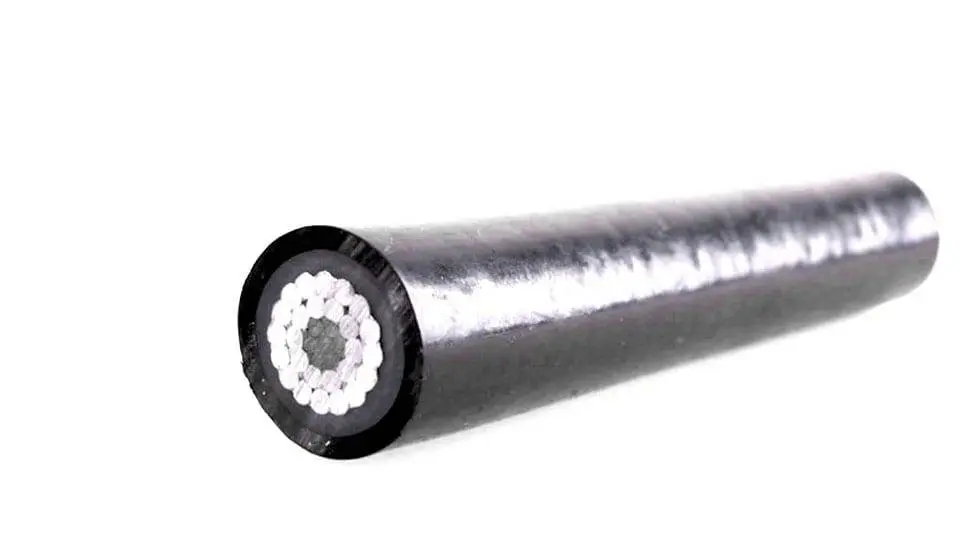
- Overview of Aerial Bunched Cables
Aerial bunched cables are a type of electrical cable that is used for overhead power distribution. These cables are gaining popularity in the electrical industry due to their numerous advantages over traditional bare conductors. In this article, we will provide an overview of aerial bunched cables and discuss the advantages they offer in electrical distribution.
Aerial bunched cables, also known as ABC cables, consist of multiple insulated phase conductors bundled together with a messenger conductor for support. These cables are typically installed on utility poles or other overhead structures, making them a cost-effective and efficient solution for electrical distribution in both urban and rural areas. Aerial bunched cables are designed to withstand harsh environmental conditions and provide reliable power transmission.
One of the key advantages of aerial bunched cables is their improved safety compared to bare overhead conductors. The insulation on the phase conductors helps to protect against electrical faults and reduces the risk of accidental contact, which can occur with bare conductors. This makes aerial bunched cables a safer option for both installation and maintenance, particularly in areas with high population density.
In addition to safety, aerial bunched cables offer enhanced reliability and durability. The insulation on the phase conductors provides protection against moisture, UV radiation, and other environmental factors, which can degrade the performance of bare conductors over time. This means that aerial bunched cables are better equipped to withstand the rigors of outdoor installation and provide a longer service life, reducing the need for frequent maintenance and replacement.
Furthermore, aerial bunched cables are more aesthetically pleasing compared to bare conductors. The bundled design and insulated phase conductors give these cables a neater and more organized appearance, which can be especially beneficial in urban areas where visual impact is a concern. Additionally, the compact construction of aerial bunched cables allows for efficient use of space on utility poles, making them a practical choice for densely populated areas with limited right-of-way.
From a performance standpoint, aerial bunched cables offer improved electrical characteristics compared to bare conductors. The insulation on the phase conductors helps to minimize power losses and reduce corona discharge, which can improve the overall efficiency of the electrical distribution system. This can lead to energy savings and lower operating costs for utilities and end-users.
In conclusion, aerial bunched cables are a versatile and reliable solution for overhead electrical distribution. Their improved safety, durability, aesthetics, and performance make them an attractive alternative to traditional bare conductors in a wide range of applications. As the demand for efficient and sustainable electrical infrastructure continues to grow, aerial bunched cables are poised to play a significant role in the future of power distribution.
- Efficiency and Cost-Effectiveness of Aerial Bunched Cables
Efficiency and Cost-Effectiveness of Aerial Bunched Cables
Aerial bunched cables (ABC) have revolutionized the way electrical distribution systems are designed and implemented. These innovative cables offer a wide range of advantages over traditional overhead and underground cables, particularly in terms of efficiency and cost-effectiveness. In this article, we will explore the many benefits of aerial bunched cables and how they have transformed the electrical distribution landscape.
One of the key advantages of aerial bunched cables is their impressive efficiency. These cables are designed to minimize energy losses during transmission, making them an ideal choice for long-distance power distribution. By utilizing advanced conductor materials and insulation technologies, ABCs are able to deliver electricity with minimal wastage, ultimately leading to a more efficient and reliable electrical network.
In addition to their efficiency, aerial bunched cables also offer significant cost-effectiveness. Their innovative design allows for easier installation and maintenance, reducing the overall operational expenses associated with electrical distribution. Furthermore, ABCs are engineered to withstand environmental factors such as weather and temperature fluctuations, resulting in fewer service disruptions and repair costs. These cost-saving benefits make aerial bunched cables a smart investment for utility companies and electrical infrastructure developers.
Moreover, the use of aerial bunched cables has been shown to improve the overall safety of electrical distribution systems. The compact and insulated nature of ABCs minimizes the risk of electrical faults and failures, ensuring a more secure and reliable power supply for consumers. Furthermore, the reduced exposure to live conductors in aerial bunched cables enhances the safety of maintenance personnel, creating a safer working environment for those involved in the upkeep of electrical networks.
From an environmental perspective, aerial bunched cables also present significant advantages. Their efficient transmission properties contribute to a reduction in overall energy consumption, resulting in a smaller environmental footprint. Additionally, the durability and longevity of ABCs reduce the need for frequent replacements and repairs, further minimizing the environmental impact of electrical distribution infrastructure.
The adoption of aerial bunched cables has been widely recognized as a transformative development in the field of electrical distribution. Their efficiency and cost-effectiveness have led to significant improvements in the reliability, safety, and sustainability of power supply networks. As technology continues to advance, it is clear that aerial bunched cables will play a crucial role in shaping the future of electrical distribution systems.
In conclusion, the advantages of aerial bunched cables in electrical distribution are numerous and far-reaching. Their efficiency, cost-effectiveness, safety benefits, and environmental advantages make them a highly desirable choice for utility companies and infrastructure developers. As the demand for reliable and sustainable power supply continues to grow, aerial bunched cables will undoubtedly remain at the forefront of the electrical distribution industry.
- Safety and Reliability of Aerial Bunched Cables in Electrical Distribution
Aerial bunched cables (ABC) have become a popular choice for electrical distribution systems in recent years due to their numerous advantages. However, one of the most important considerations when it comes to ABCs is their safety and reliability. This article will delve into the various aspects that make ABCs a safe and reliable option for electrical distribution.
First and foremost, the design of aerial bunched cables is intended to minimize the risk of electrical faults and failures. Traditional overhead lines are susceptible to issues such as phase-to-phase or phase-to-ground faults, which can lead to power outages and pose a safety hazard. In contrast, ABCs are insulated and bundled together, significantly reducing the likelihood of such faults. This design also makes ABCs more resistant to environmental factors such as moisture and pollution, further enhancing their reliability.
In addition to their design, aerial bunched cables are also known for their durability. The materials used in ABCs are carefully selected to withstand harsh weather conditions and mechanical stresses. This means that ABCs are less likely to experience wear and tear, ultimately contributing to their long-term reliability in electrical distribution systems.
Furthermore, the installation process of aerial bunched cables is a critical factor in ensuring their safety and reliability. When properly installed, ABCs are less vulnerable to accidental damage and interference. Additionally, the use of specialized hardware and fittings for ABCs helps to secure them in place, reducing the risk of sagging or movement over time.
Regular maintenance is also essential in upholding the safety and reliability of aerial bunched cables. Inspections and testing of ABCs are vital to identify any potential issues and ensure that they continue to perform optimally. This proactive approach to maintenance enhances the overall safety and reliability of ABCs in electrical distribution.
Moreover, advancements in technology have further enhanced the safety and reliability of aerial bunched cables. Innovations in insulation materials, manufacturing processes, and monitoring systems have all contributed to the continued improvement of ABCs. These developments have led to higher performance standards and greater peace of mind for those utilizing ABCs in their electrical distribution systems.
In conclusion, the safety and reliability of aerial bunched cables in electrical distribution are paramount considerations. The design, durability, installation, maintenance, and ongoing technological advancements all play a crucial role in ensuring that ABCs continue to be a trusted and dependable choice for electrical distribution systems. As the demand for efficient and resilient power transmission continues to grow, aerial bunched cables will undoubtedly remain a key player in meeting these needs.
- Environmental Benefits of Aerial Bunched Cables
Aerial bunched cables are an innovative and efficient solution for electrical distribution that offer various environmental benefits. These cables are gaining popularity in the industry due to their cost-effective, safe, and environmentally friendly nature. In this article, we will explore the environmental benefits of aerial bunched cables and why they are a sustainable choice for electrical distribution.
One of the significant environmental benefits of aerial bunched cables is their reduced impact on the surrounding landscape. Unlike traditional overhead power lines that require extensive clearances and right-of-ways, aerial bunched cables can be installed in a compact and efficient manner. This minimizes the need for land clearance and reduces the disruption of natural habitats and ecosystems. By utilizing existing infrastructure and paths, aerial bunched cables help preserve the environment and reduce the overall footprint of electrical distribution systems.
Furthermore, aerial bunched cables contribute to a decrease in deforestation and tree trimming. Traditional overhead power lines often require the trimming of trees to maintain clearance and prevent interference with the electrical conductors. This practice not only disrupts the natural landscape but also harms the health of trees and vegetation. Aerial bunched cables, on the other hand, are designed to be installed without the need for extensive tree trimming. This significantly reduces the impact on the environment and preserves the natural beauty of the surroundings.
In addition to minimizing the impact on land and vegetation, aerial bunched cables also offer energy efficiency and reduced power losses. These cables are designed with insulated conductors that are bundled together and supported by a messenger wire. This configuration helps improve the overall efficiency of electrical distribution by reducing the electrical losses during transmission. As a result, less energy is wasted, and the overall carbon footprint of the distribution system is reduced. This energy-efficient design not only benefits the environment but also contributes to cost savings for utility companies and end consumers.
Another environmental advantage of aerial bunched cables is their ability to withstand adverse weather conditions. Traditional overhead power lines are more susceptible to damage from high winds, ice storms, and other extreme weather events. This often results in power outages and the need for frequent maintenance and repairs. Aerial bunched cables, however, are designed to be durable and resilient, with a lower risk of damage from weather-related incidents. This reliability helps minimize the environmental impact of power outages and reduces the need for emergency repairs, ultimately contributing to a more sustainable electrical distribution system.
In conclusion, aerial bunched cables offer significant environmental benefits that make them a sustainable choice for electrical distribution. By reducing land clearance, minimizing tree trimming, improving energy efficiency, and withstanding adverse weather conditions, these cables help protect the environment and promote a more sustainable approach to power transmission. As the demand for reliable and environmentally friendly electrical distribution solutions continues to grow, aerial bunched cables are poised to play a crucial role in shaping the future of the industry.
- Applications and Future Trends in Aerial Bunched Cables Technology
Aerial bunched cables (ABC) have revolutionized the way electricity is distributed and transmitted. These cables have gained widespread use in electrical distribution systems due to their numerous advantages and future potential. In this article, we will explore the applications and future trends in aerial bunched cables technology.
Aerial bunched cables are a type of power cable that consists of multiple insulated conductors bundled together and supported by a messenger wire. These cables are installed overhead on utility poles, providing a cost-effective and efficient solution for electricity distribution in both urban and rural areas. One of the key advantages of ABC is their ability to reduce installation time and costs compared to traditional overhead lines, making them a popular choice for utilities and electrical contractors.
The applications of aerial bunched cables are diverse and extensive. These cables are used for residential, commercial, and industrial power distribution, as well as for street lighting, railway electrification, and rural electrification projects. Their flexibility and adaptability make them suitable for a wide range of voltage levels, from low voltage distribution to medium voltage transmission.
In addition to their current applications, the future trends in aerial bunched cables technology are promising. With advancements in materials and manufacturing processes, ABC are becoming more durable, reliable, and efficient. These improvements are leading to the development of higher voltage ratings and longer spans for aerial bunched cables, expanding their utility and reach in electrical distribution systems.
Furthermore, the integration of smart grid technologies with aerial bunched cables is set to transform the way electricity is managed and delivered. Smart grid features such as remote monitoring, fault detection, and self-healing capabilities can be easily integrated with ABC, providing utilities with real-time data and enhanced control over their distribution networks. This connectivity and intelligence will enable utilities to optimize their operations, reduce downtime, and improve overall system reliability.
Another future trend in aerial bunched cables technology is the integration of renewable energy sources and energy storage systems. As the world moves towards a greener and more sustainable energy landscape, ABC will play a crucial role in facilitating the integration of solar, wind, and other renewable energy sources into the existing grid infrastructure. Moreover, the use of energy storage devices such as batteries and capacitors in conjunction with aerial bunched cables will enable the seamless integration of intermittent renewable energy generation and improve grid stability.
In conclusion, aerial bunched cables have emerged as a game-changing technology in electrical distribution, offering a wide range of benefits and flexibility for various applications. Looking ahead, the future of ABC technology is bright, with continued advancements in materials, smart grid integration, and renewable energy integration set to further enhance their capabilities and impact on the electrical industry. As the demand for reliable and efficient power distribution solutions continues to grow, aerial bunched cables will undoubtedly play a significant role in shaping the future of electrical distribution.
Conclusion
In conclusion, it is evident that aerial bunched cables provide numerous advantages in electrical distribution. From their cost-effectiveness and ease of installation to their improved safety and reliability, these cables offer a more efficient and practical solution for power distribution. With their ability to withstand harsh weather conditions and minimize electrical losses, aerial bunched cables are indeed a valuable asset in modern electrical systems. As technology continues to advance, it is clear that aerial bunched cables will continue to play a significant role in electrical distribution, providing a sustainable and efficient solution for powering our communities.
Table of Contents
GET IN TOUCH WITH Us
Ready to work with us?

Find us here:
The cable factory from 2007-2018 are mainly for domestic trading and processing to some export tradingcompanies. The average sales amount are about RMB 320,000,000 per year. For cables oversea market, From last may till now we have expanded our market to Bolivia, Peru, Dominican, Philippines, Vietnam, Thailand, Iraq, Mongolia, Indonesia and some Africa country.
Copyright © 2026 KINGYEAR |Sitemap丨Privacy Polcy