


Please fill out the form below to request a quote or to request more information about us. please be as detailed as possible in your message, and we will get back to you as soon as possible with a response. we're ready to start working on your new project, contact us now to get started.
The Advantages Of Aerial Bundle Conductors In Power Distribution Systems
2026-05-16
KINGYEAR
19
Are you curious about the latest advancements in power distribution systems? Aerial Bundle Conductors (ABC) are revolutionizing the way electricity is delivered, offering numerous benefits over traditional power lines. In this article, we will explore the advantages of ABC in power distribution systems, including improved efficiency, reduced maintenance costs, and increased safety. Whether you are a professional in the electrical industry or simply interested in learning more about innovative technologies, this article will provide you with valuable insights into the future of power transmission.
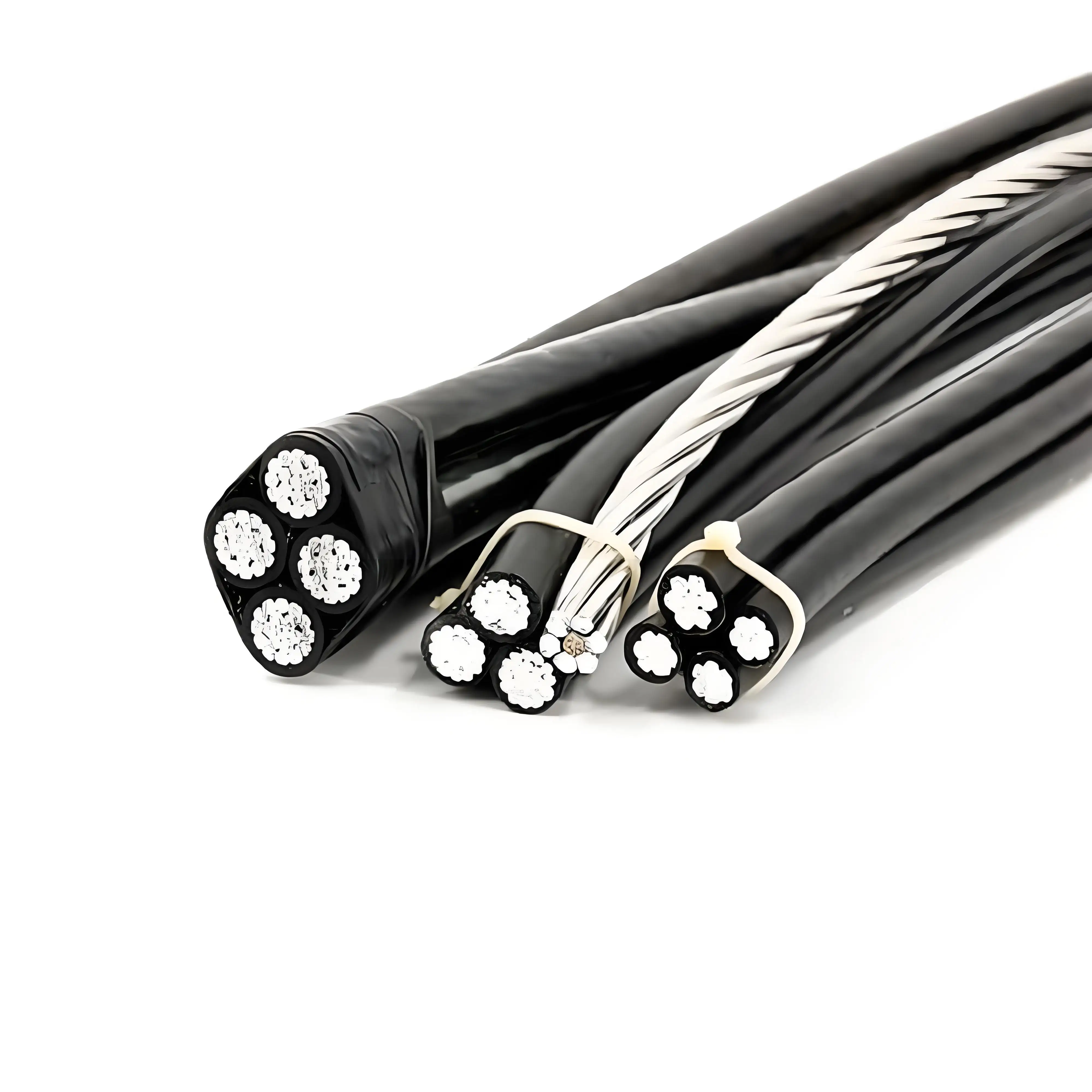
- Understanding Aerial Bundle Conductors
Understanding Aerial Bundle Conductors
Aerial bundle conductors, also known as ABCs, are a type of overhead power line used for distributing electrical energy. They are made up of multiple insulated conductors, which are bundled together and supported by poles or towers. This advanced technology has become increasingly popular in power distribution systems due to its numerous advantages. In this article, we will explore the key features and benefits of aerial bundle conductors, as well as their impact on the power distribution industry.
One of the main advantages of aerial bundle conductors is their ability to carry multiple lines within a single cable. This reduces the need for additional infrastructure, such as poles and towers, and minimizes visual clutter in urban and suburban areas. The compact design of ABCs also results in lower installation and maintenance costs, making them a cost-effective solution for power distribution systems.
Another important feature of aerial bundle conductors is their ability to reduce power outages and faults. The insulation of the individual conductors provides protection against environmental factors, such as rain, wind, and snow, as well as animal interference. This increased resilience makes ABCs a reliable choice for power distribution in areas prone to extreme weather conditions and wildlife activity.
In addition, aerial bundle conductors offer improved safety for both workers and the public. The insulated design reduces the risk of electric shock during installation and maintenance, and it also minimizes the potential for accidental contact with live wires. This enhanced safety feature has made ABCs the preferred choice for power distribution in residential and commercial areas.
Furthermore, aerial bundle conductors have a longer service life compared to traditional overhead power lines. The insulation of the individual conductors protects them from corrosion and degradation, resulting in a more durable and sustainable solution for power distribution. This increased lifespan leads to lower replacement and maintenance costs, as well as reduced environmental impact.
From an environmental perspective, aerial bundle conductors are a more eco-friendly option for power distribution. Their compact design and reduced need for additional infrastructure result in lower land usage and less disruption to natural habitats. Additionally, the insulation of the conductors reduces the risk of electrical fires and environmental contamination, further contributing to a cleaner and safer power distribution system.
In conclusion, aerial bundle conductors offer numerous advantages for power distribution systems, including cost-effectiveness, reliability, safety, durability, and environmental sustainability. As the demand for efficient and resilient power distribution continues to grow, ABCs have become a crucial component of modern electrical infrastructure. With their advanced features and benefits, aerial bundle conductors are set to play a key role in shaping the future of power distribution.
- Efficiency and Cost Savings
Aerial bundle conductors (ABC) have become increasingly popular in power distribution systems due to their efficiency and cost savings. This innovative technology has revolutionized the way electricity is distributed, providing numerous advantages for both utility companies and consumers.
One of the key advantages of aerial bundle conductors is their efficiency in power distribution. Traditional overhead power lines often suffer from power losses due to factors such as line resistance and electromagnetic interference. However, ABCs are designed to minimize these losses by bundling multiple insulated conductors together, reducing the overall resistance and improving the efficiency of electricity transmission.
Furthermore, aerial bundle conductors are also known for their high resistance to environmental factors such as harsh weather conditions. The insulated conductors are specifically designed to withstand temperature variations, UV radiation, and moisture, ensuring a reliable and stable power distribution system even in the most challenging environments. This resilience reduces the need for frequent maintenance and repair, leading to cost savings for utility companies in the long run.
Cost savings are a significant benefit of using aerial bundle conductors in power distribution systems. The initial installation cost of ABCs may be higher compared to traditional overhead power lines, but the long-term savings outweigh the initial investment. Due to their durability and reduced maintenance requirements, ABCs result in lower operational and maintenance costs for utility companies. Additionally, the enhanced efficiency of electricity transmission leads to reduced energy losses, resulting in lower electricity bills for consumers.
Another advantage of aerial bundle conductors is their ability to reduce power outages and downtime. The reliability and resilience of ABCs make them less susceptible to failures caused by factors such as tree branches, wildlife interference, and lightning strikes. This increased reliability contributes to improved overall system performance and customer satisfaction.
In addition to their technical advantages, aerial bundle conductors also offer environmental benefits. The reduced power losses and improved efficiency of electricity transmission contribute to lower carbon emissions, making ABCs a more sustainable option for power distribution systems. Furthermore, the reduced need for maintenance and repair activities results in fewer disruptions to the surrounding environment.
The widespread adoption of aerial bundle conductors in power distribution systems has led to significant advancements in the electricity industry. Utility companies and consumers alike are reaping the benefits of this innovative technology, from improved efficiency and reliability to long-term cost savings and environmental sustainability. As the demand for reliable and efficient power distribution continues to grow, aerial bundle conductors are poised to play a crucial role in shaping the future of electricity infrastructure.
- Improved Reliability and Safety
Aerial bundle conductors (ABC) have emerged as a revolutionary technology in power distribution systems, offering numerous advantages over traditional bare conductors. One of the key benefits of ABC is its improved reliability and safety, making it an attractive option for power utilities and operators.
One of the main reasons why ABC is considered to be more reliable than traditional bare conductors is its resistance to environmental factors. The bundled configuration of ABC provides better protection against weather-related damage such as wind, ice, and lightning. This significantly reduces the risk of power outages and service interruptions, making it a more reliable option for power distribution systems.
Furthermore, the design of ABC also enhances safety in power distribution systems. The insulation provided by the bundled configuration reduces the risk of electrical faults and improves protection against accidental contact, minimizing the potential for electrical hazards. This is particularly important in areas with high population density, where safety is a paramount concern.
In addition to reliability and safety, ABC also offers benefits such as reduced maintenance requirements. By providing better protection against environmental factors, ABC requires less frequent maintenance compared to traditional bare conductors. This not only reduces operational costs but also minimizes disruptions to the power supply, resulting in improved customer satisfaction.
The improved reliability and safety of ABC also contribute to its longer lifespan compared to traditional conductors. With better protection against environmental factors and reduced maintenance requirements, ABC has a significantly longer service life, providing a cost-effective solution for power distribution systems.
In terms of installation, ABC offers the advantage of being easier and quicker to deploy. The bundled configuration allows for a simpler installation process, reducing the time and resources required for deployment. This makes ABC a more efficient option for power utilities, allowing for faster expansion and upgrades to the distribution network.
Furthermore, the enhanced safety of ABC also benefits the workforce involved in power distribution operations. The reduced risk of electrical faults and improved protection against accidental contact create a safer working environment for maintenance and repair crews, contributing to overall operational efficiency.
In conclusion, aerial bundle conductors offer significant advantages in power distribution systems, with improved reliability and safety being key selling points. The resistance to environmental factors, reduced maintenance requirements, longer lifespan, and easier installation process make ABC a compelling choice for power utilities and operators looking to enhance the performance and safety of their distribution networks. As the demand for reliable and safe power supply continues to grow, ABC is poised to play a crucial role in meeting these needs.
- Environmental Benefits
Aerial bundle conductors (ABC) have been gaining popularity in power distribution systems due to their numerous environmental benefits. These innovative conductors offer a more sustainable and efficient alternative to traditional overhead power lines, reducing environmental impact and promoting a greener energy infrastructure.
One of the primary environmental benefits of aerial bundle conductors is the reduction in deforestation. Traditional power lines require extensive clear-cutting of trees to make way for the installation of the overhead lines. This deforestation not only disrupts natural habitats but also contributes to the overall decline in global forest cover. In contrast, ABCs are installed using existing utility poles, minimizing the need for tree removal and preserving the natural ecosystem.
In addition to preserving forests, aerial bundle conductors also contribute to the reduction of carbon emissions. Traditional power lines are often made of aluminum or steel, materials that require significant energy consumption and production emissions. On the other hand, ABCs are typically made of aluminum conductor with a polyethylene or cross-linked polyethylene insulation, resulting in a lighter and more energy-efficient transmission system. This reduction in weight and energy consumption translates to lower carbon emissions and a smaller environmental footprint.
Furthermore, aerial bundle conductors are designed to minimize the potential for wildlife-related power outages. Traditional power lines are often susceptible to bird and wildlife-related disruptions, leading to service interruptions and potential harm to the animals. ABCs, with their compact and insulated design, significantly reduce the risk of wildlife interference, thereby promoting safer and more reliable power distribution while minimizing harm to local fauna.
Another important environmental benefit of aerial bundle conductors is the reduction in visual impact. Traditional overhead power lines can be visually intrusive, detracting from the natural beauty of the landscape. In contrast, ABCs are designed to blend in with the surrounding environment, minimizing visual clutter and preserving the aesthetic appeal of the area. This reduced visual impact contributes to the overall preservation of natural landscapes and scenic vistas.
Moreover, the use of aerial bundle conductors promotes a more sustainable and resilient electrical infrastructure. The insulated design of ABCs reduces the risk of power outages caused by weather-related factors such as wind, ice, and lightning. This increased reliability and resilience of the power distribution system not only benefits the consumers but also reduces the need for emergency repairs and maintenance, ultimately contributing to a more sustainable energy network.
In conclusion, aerial bundle conductors offer a range of environmental benefits, including the preservation of forests, reduction in carbon emissions, mitigation of wildlife-related disruptions, minimized visual impact, and enhanced resilience of the power distribution system. As the demand for sustainable energy solutions continues to grow, the adoption of ABCs represents a significant step towards building a greener and more environmentally friendly power infrastructure. By harnessing the numerous environmental advantages of aerial bundle conductors, we can pave the way for a more sustainable and eco-conscious approach to power distribution.
- Advancements in Power Distribution Technology
Advancements in Power Distribution Technology
In recent years, there have been significant advancements in power distribution technology, with one of the most notable being the adoption of aerial bundle conductors in power distribution systems. Aerial bundle conductors, also known as ABC, have revolutionized the way electricity is distributed, offering a wide range of advantages over traditional bare conductors and insulated cables.
Aerial bundle conductors are a type of overhead power line where multiple insulated phase conductors are bundled together with a bare neutral conductor. This configuration allows for a compact and lightweight design, making it suitable for use in both urban and rural areas. The use of ABC has gained popularity due to the numerous benefits it offers in power distribution systems.
One of the key advantages of aerial bundle conductors is their improved reliability and durability. The bundled configuration provides better protection against external factors such as weather, animals, and vegetation, reducing the risk of power outages and maintenance requirements. Additionally, the insulation on the phase conductors helps to prevent electrical faults and enhances safety for both the system and maintenance personnel.
Another significant advantage of ABC is its ability to reduce power losses. The insulated conductors and compact design of aerial bundle conductors result in lower resistance and improved efficiency in power transmission. This not only helps to maximize the utilization of electrical energy but also reduces the environmental impact by lowering the overall energy consumption.
Furthermore, aerial bundle conductors offer enhanced flexibility and versatility in power distribution systems. The bundled configuration allows for easier installation and maintenance, as well as the potential to accommodate future expansion and upgrades. This flexibility makes ABC an ideal choice for both new installations and retrofitting existing power distribution networks.
In addition to their technical advantages, aerial bundle conductors also contribute to aesthetic and environmental considerations. The compact and streamlined design of ABC reduces visual impact, making it more visually appealing and less intrusive compared to traditional overhead power lines. Furthermore, the reduced exposure of live conductors and the use of insulated cables help to minimize the impact on the surrounding environment and wildlife.
The adoption of aerial bundle conductors represents a significant step forward in the advancement of power distribution technology. The numerous advantages of ABC, including improved reliability, reduced power losses, enhanced flexibility, and environmental considerations, make it a compelling choice for modern power distribution systems. As technology continues to evolve, it is likely that we will see further advancements and innovations in power distribution, with aerial bundle conductors playing a crucial role in shaping the future of electricity transmission and distribution.
In conclusion, the adoption of aerial bundle conductors in power distribution systems represents a significant advancement in power distribution technology. The numerous advantages of ABC, including improved reliability, reduced power losses, enhanced flexibility, and environmental considerations, make it a compelling choice for modern power distribution systems. As technology continues to evolve, it is likely that we will see further advancements and innovations in power distribution, with aerial bundle conductors playing a crucial role in shaping the future of electricity transmission and distribution.
Conclusion
In conclusion, aerial bundle conductors offer numerous advantages in power distribution systems. From their ability to reduce power outages and increase reliability to their cost-effectiveness and ease of installation, ABCs have proven to be a valuable asset in modern power distribution networks. Additionally, the reduced need for maintenance and their resistance to harsh weather conditions make them an attractive choice for utility companies. As technology continues to advance, aerial bundle conductors will likely play an increasingly important role in meeting the growing demands for efficient and reliable power distribution. It’s clear that ABCs are a game changer in the industry, and their benefits are set to make a lasting impact on power distribution systems worldwide.
GET IN TOUCH WITH Us
Ready to work with us?

Find us here:
The cable factory from 2007-2018 are mainly for domestic trading and processing to some export tradingcompanies. The average sales amount are about RMB 320,000,000 per year. For cables oversea market, From last may till now we have expanded our market to Bolivia, Peru, Dominican, Philippines, Vietnam, Thailand, Iraq, Mongolia, Indonesia and some Africa country.
Copyright © 2026 KINGYEAR |Sitemap丨Privacy Polcy