


Please fill out the form below to request a quote or to request more information about us. please be as detailed as possible in your message, and we will get back to you as soon as possible with a response. we're ready to start working on your new project, contact us now to get started.
The Advantages Of Using 14 AWG Bare Copper Wire In Electrical Applications
2026-06-02
KINGYEAR
15
Are you considering the best options for your electrical wiring needs? Look no further! In our article, we’ll be discussing the numerous benefits of utilizing 14 AWG bare copper wire in electrical applications. From its superior conductivity to its durability and versatility, this type of wiring has proven to be a top choice for a wide range of applications. Stay tuned to learn all about the advantages of using 14 AWG bare copper wire and why it may be the perfect solution for your electrical needs.
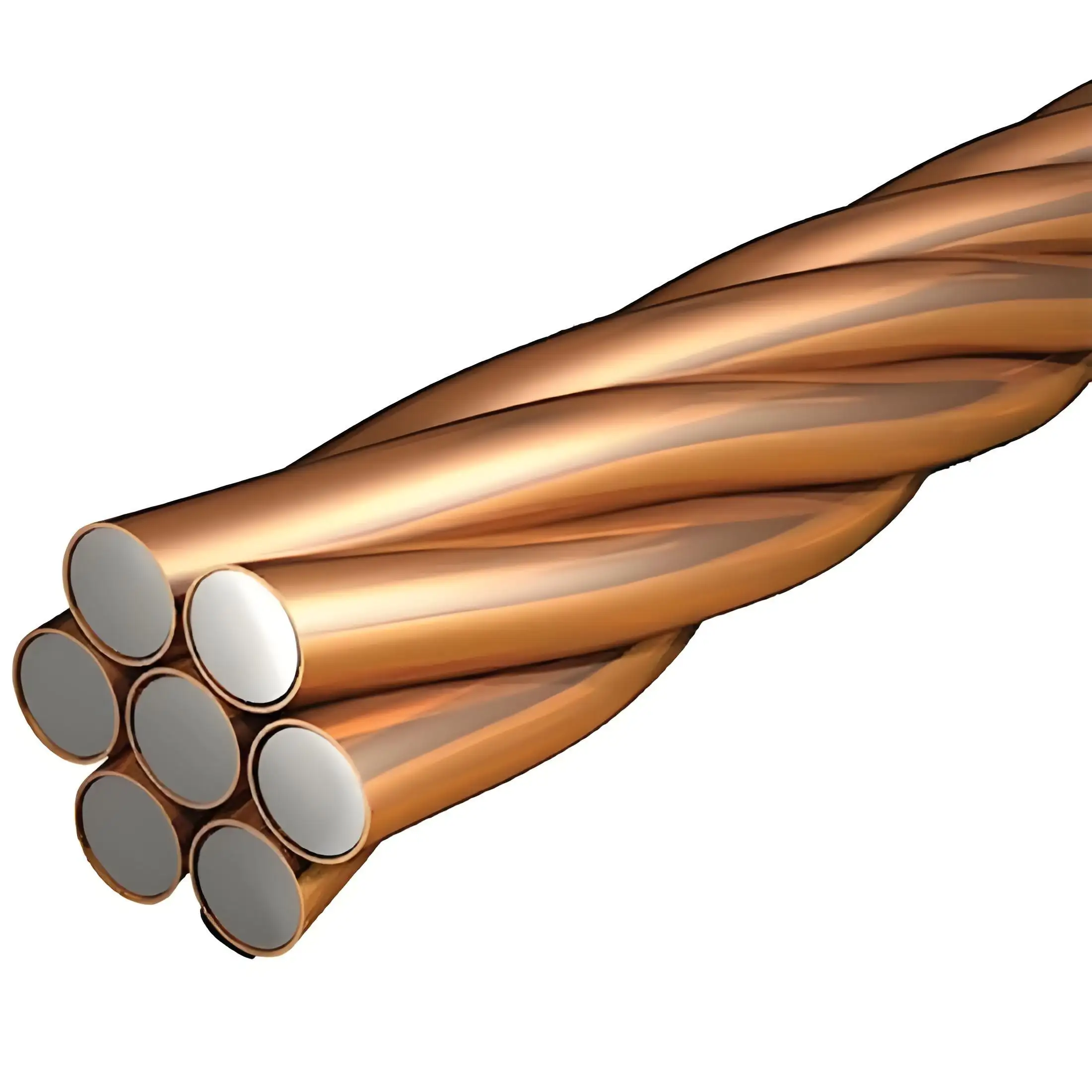
Understanding the Benefits of 14 AWG Bare Copper Wire
When it comes to electrical applications, using the right type of wire is crucial for ensuring safety, efficiency, and longevity. One popular option that has gained a lot of attention in recent years is 14 AWG bare copper wire. This type of wire has numerous benefits that make it a top choice for a wide range of applications. In this article, we will explore the advantages of using 14 AWG bare copper wire in electrical applications and why it has become so popular among industry professionals.
First and foremost, the 14 AWG designation refers to the wire gauge, with 14 AWG being the standard gauge for many electrical applications. This means that the wire has a specific diameter and is capable of carrying a certain amount of current. The use of 14 AWG bare copper wire ensures that the wire is suitable for the intended application and can handle the electrical load without overheating or causing any safety hazards.
One of the key advantages of using bare copper wire is its excellent conductivity. Copper is widely regarded as one of the best conductors of electricity, and using bare copper wire maximizes this conductivity. This means that electrical currents can flow through the wire with minimal resistance, resulting in efficient power distribution and minimal energy loss. As a result, 14 AWG bare copper wire is an ideal choice for applications where low voltage drop and high efficiency are critical.
In addition to its exceptional conductivity, bare copper wire also offers excellent corrosion resistance. Unlike other types of wire, bare copper wire does not have a layer of insulation or coating that can deteriorate over time. This makes it well-suited for outdoor or underground applications where the wire may be exposed to moisture, chemicals, or other corrosive elements. The use of 14 AWG bare copper wire ensures that the wire will maintain its integrity and performance even in harsh environmental conditions.
Furthermore, bare copper wire is highly durable and long-lasting. Its solid construction and resistance to corrosion ensure that it can withstand the rigors of everyday use without deteriorating over time. This longevity reduces the need for frequent maintenance and replacement, making it a cost-effective choice for many applications. Whether used in residential, commercial, or industrial settings, 14 AWG bare copper wire provides reliable performance and peace of mind.
Another benefit of using 14 AWG bare copper wire is its versatility. It can be used in a wide range of electrical applications, including wiring for lighting, appliances, machinery, and electronic devices. Its flexibility and ease of installation make it a popular choice for electricians and DIY enthusiasts alike. Whether used in a new construction project or for retrofitting existing wiring, 14 AWG bare copper wire provides a versatile solution for all types of electrical needs.
In conclusion, the advantages of using 14 AWG bare copper wire in electrical applications are myriad. From its exceptional conductivity and corrosion resistance to its durability and versatility, bare copper wire has become a top choice for professionals and consumers alike. By choosing 14 AWG bare copper wire for electrical projects, you can ensure reliable performance, safety, and efficiency for years to come.
The Versatility and Durability of Bare Copper Wire
When it comes to electrical applications, choosing the right type of wire is crucial. One option that has gained popularity for its versatility and durability is 14 AWG bare copper wire. This type of wire has several advantages that make it a valuable choice for various electrical projects.
One of the main benefits of 14 AWG bare copper wire is its versatility. It can be used in a wide range of applications, including residential wiring, industrial machinery, and commercial infrastructure. Its flexibility and ability to carry high electrical currents make it an ideal choice for most electrical jobs. Whether it is used in small home projects or large-scale industrial applications, 14 AWG bare copper wire is a reliable option.
In addition to its versatility, bare copper wire is incredibly durable. Copper is known for its high tensile strength, which means it can withstand a significant amount of stress without breaking. This makes it perfect for applications where the wire may be exposed to harsh conditions or heavy use. Whether it's being used in outdoor electrical systems or high-temperature environments, 14 AWG bare copper wire can handle the demands of the job.
Furthermore, bare copper wire is highly conductive, which means it can efficiently carry electrical currents. This makes it an excellent choice for applications where reliable electrical connections are essential. The high conductivity of bare copper wire also reduces power loss, which can result in more efficient electrical systems and lower energy costs.
Another advantage of using 14 AWG bare copper wire is its corrosion resistance. Copper is naturally resistant to corrosion, which means it can withstand exposure to moisture and harsh chemicals without degrading. This makes it an ideal choice for outdoor electrical systems or applications where the wire may come into contact with corrosive substances.
Additionally, bare copper wire is easy to work with and install. Its flexibility and malleability make it easy to bend and shape, which can greatly simplify the installation process. This can save both time and labor costs for electrical projects.
In conclusion, 14 AWG bare copper wire offers several advantages that make it a valuable choice for electrical applications. Its versatility, durability, conductivity, and corrosion resistance make it an ideal option for a wide range of projects. Whether it's used in residential, commercial, or industrial settings, bare copper wire is a reliable and efficient choice for electrical wiring needs. Its ease of installation and ability to handle high electrical currents make it a top contender in the electrical industry. When looking for a wire that can withstand the demands of any electrical application, 14 AWG bare copper wire is an option worth considering.
Economic and Environmental Advantages of Choosing 14 AWG Bare Copper Wire
Choosing 14 AWG Bare Copper Wire for electrical applications offers a multitude of economic and environmental advantages. This type of wire is a popular choice for various industrial, commercial, and residential projects due to its numerous benefits. From its durability and conductivity to its eco-friendly attributes, 14 AWG Bare Copper Wire is the preferred option for many electrical applications.
One of the primary advantages of using 14 AWG Bare Copper Wire is its economic benefits. This type of wire is cost-effective and offers a great value for its price. Its durability and longevity make it a wise investment, as it can withstand wear and tear over time, reducing the need for frequent replacements. Additionally, the excellent conductivity of copper means that less wire is needed to achieve the same level of conductivity as other materials, reducing the overall cost of the project. This makes 14 AWG Bare Copper Wire a cost-efficient option for various electrical applications.
Furthermore, choosing 14 AWG Bare Copper Wire also provides environmental advantages. Copper is a highly sustainable material, as it is 100% recyclable and can be reused without losing its properties. This means that using copper wire reduces the overall environmental impact of electrical projects. Additionally, copper mining and production have a lower environmental impact compared to other metals, further contributing to its eco-friendly nature. By choosing 14 AWG Bare Copper Wire, individuals and businesses can reduce their carbon footprint and contribute to a more sustainable future.
In addition to its economic and environmental advantages, 14 AWG Bare Copper Wire offers superior performance in electrical applications. Copper is an excellent conductor of electricity, providing low electrical resistance and minimal power loss. This results in more efficient energy transmission and reduced electricity costs in the long run. The durability of copper also makes it a reliable choice for electrical wiring, as it can withstand the rigors of daily use without degradation in performance. This makes 14 AWG Bare Copper Wire a dependable option for ensuring the smooth operation of electrical systems.
When it comes to installation and maintenance, 14 AWG Bare Copper Wire also provides several advantages. Its flexibility and malleability make it easy to work with, allowing for quick and efficient installation. Copper wire is also resistant to corrosion, ensuring that the electrical system remains in optimal condition over time. This means that less maintenance and repairs are required, ultimately reducing overall maintenance costs. The combination of economic, environmental, and performance benefits make 14 AWG Bare Copper Wire an ideal choice for a wide range of electrical applications.
In conclusion, the advantages of choosing 14 AWG Bare Copper Wire in electrical applications are undeniable. Its economic benefits, environmental advantages, superior performance, and ease of installation make it a top choice for various projects. By opting for 14 AWG Bare Copper Wire, individuals and businesses can enjoy cost savings, reduced environmental impact, and reliable electrical systems. Overall, this type of wire offers a well-rounded solution for the diverse needs of electrical applications.
Safety and Performance Considerations for Electrical Applications
When it comes to selecting the right materials for electrical applications, safety and performance are of utmost importance. This is especially true when considering the use of 14 AWG bare copper wire. In this article, we will discuss the advantages of using 14 AWG bare copper wire in electrical applications, with a focus on safety and performance considerations.
First and foremost, it's important to understand the significance of the 14 AWG designation. The "AWG" stands for American Wire Gauge, which is a standard system for specifying the diameter of electrical wire. The number "14" refers to the gauge of the wire, with lower numbers indicating thicker wire. In the case of 14 AWG wire, it is commonly used for general electrical wiring in residential and commercial applications.
One of the primary advantages of using 14 AWG bare copper wire is its excellent conductivity. Copper is known for its high conductivity, making it a highly efficient material for carrying electrical current. This means that 14 AWG bare copper wire can effectively and reliably transmit electricity, ensuring that your electrical system operates at optimal performance.
In addition to its conductivity, bare copper wire offers excellent resistance to corrosion. This is particularly important in electrical applications where the wire may be exposed to moisture or other corrosive elements. By using 14 AWG bare copper wire, you can have peace of mind knowing that your electrical system is protected against premature deterioration due to corrosion.
Furthermore, 14 AWG bare copper wire is known for its durability and flexibility. These properties make it easier to work with during installation, as the wire can be easily bent and maneuvered as needed. Additionally, the durability of bare copper wire means that it can withstand the rigors of electrical usage without compromising its performance or safety.
When it comes to safety considerations, using 14 AWG bare copper wire offers several advantages. Copper is a non-combustible material, meaning that it does not readily catch fire or contribute to the spread of flames. This is an important safety consideration in electrical applications, where the risk of fire is a primary concern. Furthermore, the use of bare copper wire eliminates the risk of insulation deterioration, which can occur with insulated wire and potentially compromise the safety of the electrical system.
In conclusion, the use of 14 AWG bare copper wire in electrical applications offers numerous advantages, particularly in terms of safety and performance. From its excellent conductivity and resistance to corrosion, to its durability and safety benefits, bare copper wire is an ideal choice for various electrical wiring needs. By choosing 14 AWG bare copper wire, you can ensure that your electrical system operates at optimal performance while prioritizing safety and reliability.
Practical Applications and Considerations for Using 14 AWG Bare Copper Wire
14 AWG bare copper wire is a versatile and practical option for various electrical applications. Its unique properties and advantages make it the go-to choice for many professionals in the industry. In this article, we will explore the practical applications and considerations for using 14 AWG bare copper wire, as well as its advantages.
One of the most common applications for 14 AWG bare copper wire is in residential and commercial wiring. Its 14 gauge thickness makes it suitable for general electrical wiring, such as outlets, switches, and lighting fixtures. The bare copper construction provides excellent conductivity and is highly resistant to corrosion, making it a reliable choice for long-term use. Additionally, the bare copper wire is easy to work with and can be easily stripped and terminated, making installation a breeze for electricians and DIY enthusiasts alike.
Another practical application for 14 AWG bare copper wire is in the automotive industry. Its durability and high conductivity make it an ideal choice for vehicle wiring, battery cables, and grounding applications. The bare copper construction also ensures that the wire can withstand the harsh conditions of automotive environments, such as high temperatures and vibrations, without compromising performance.
In addition to its practical applications, there are several considerations to keep in mind when using 14 AWG bare copper wire. One important factor to consider is the ampacity of the wire. The ampacity of 14 AWG bare copper wire is approximately 20 amps, making it suitable for a wide range of electrical loads. However, it is essential to ensure that the wire is properly sized for the intended application to prevent overheating and potential safety hazards.
Another consideration is the environmental conditions in which the wire will be used. While 14 AWG bare copper wire is highly resistant to corrosion, it is still important to consider the potential for exposure to moisture, chemicals, and other corrosive agents. In these situations, additional protective measures, such as insulation or conduit, may be necessary to ensure the longevity of the wire.
One of the key advantages of using 14 AWG bare copper wire is its cost-effectiveness. Compared to other types of wire, such as aluminum or copper-clad aluminum, bare copper wire offers excellent value for money. Its long service life and low maintenance requirements make it a cost-effective choice for many electrical applications.
In conclusion, 14 AWG bare copper wire is a practical and reliable option for a wide range of electrical applications. Its versatility, durability, and cost-effectiveness make it the preferred choice for many professionals in the industry. By considering the practical applications and important considerations for using 14 AWG bare copper wire, individuals can make informed decisions about its use in their projects. Whether it's for residential wiring, automotive applications, or any other electrical needs, 14 AWG bare copper wire is sure to deliver excellent performance and reliability.
Conclusion
In conclusion, the advantages of using 14 AWG bare copper wire in electrical applications are clear. From its superior conductivity and durability to its cost-effectiveness and ease of installation, this type of wire offers numerous benefits for both residential and commercial electrical projects. By choosing 14 AWG bare copper wire, electricians and DIY enthusiasts can ensure reliable and efficient electrical systems that meet safety standards and deliver consistent performance. As technology continues to advance, it's clear that 14 AWG bare copper wire will remain a top choice for electrical applications. So, when it comes to selecting the right wire for your next project, consider the many advantages of 14 AWG bare copper wire and the peace of mind it can provide.
Table of Contents
GET IN TOUCH WITH Us
Ready to work with us?

Find us here:
The cable factory from 2007-2018 are mainly for domestic trading and processing to some export tradingcompanies. The average sales amount are about RMB 320,000,000 per year. For cables oversea market, From last may till now we have expanded our market to Bolivia, Peru, Dominican, Philippines, Vietnam, Thailand, Iraq, Mongolia, Indonesia and some Africa country.
Copyright © 2026 KINGYEAR |Sitemap丨Privacy Polcy