


Please fill out the form below to request a quote or to request more information about us. please be as detailed as possible in your message, and we will get back to you as soon as possible with a response. we're ready to start working on your new project, contact us now to get started.
The Advantages Of Using AAC Conductor In Electrical Systems
2026-06-10
KINGYEAR
19
Are you looking to optimize the efficiency and reliability of your electrical systems? Look no further than the use of AAC conductor. In this article, we will delve into the numerous advantages of utilizing AAC conductor in electrical systems, from improved power transmission to reduced maintenance costs. Whether you are a professional electrician or a building owner, this insightful piece will shed light on the benefits of incorporating AAC conductor into your electrical infrastructure. Keep reading to discover how this innovative conductor can revolutionize your electrical systems.
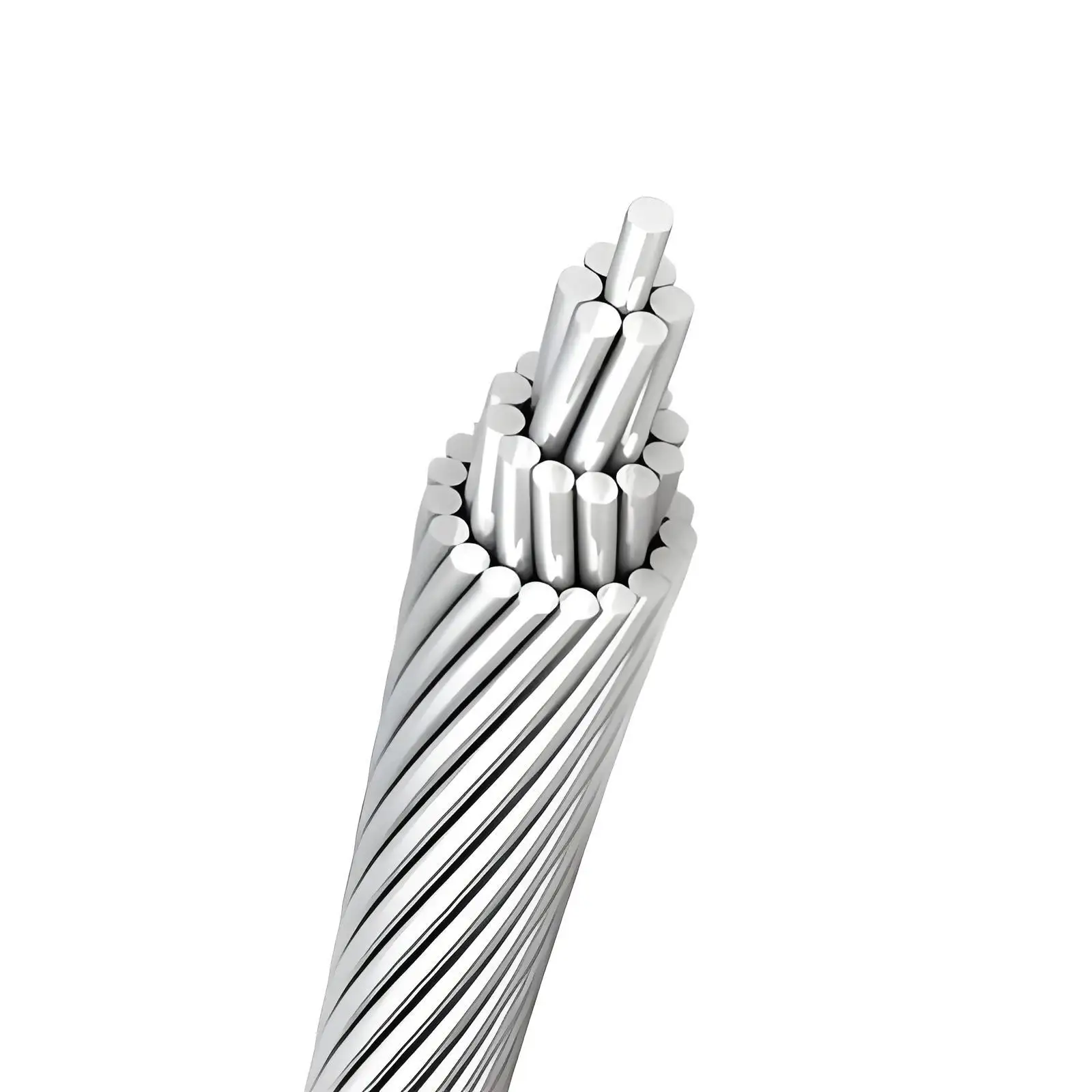
- Introduction to AAC Conductor and its Benefits in Electrical Systems
to AAC Conductor and its Benefits in Electrical Systems
When it comes to electrical systems, choosing the right conductor is crucial for ensuring efficiency and reliability. One type of conductor that is gaining popularity in the electrical industry is the AAC (All Aluminum Conductor) conductor. This article will provide an in-depth introduction to AAC conductor and explore its numerous benefits in electrical systems.
AAC conductor is a type of electrical conductor that is made entirely of aluminum. It is widely used in overhead transmission and distribution lines due to its lightweight and high conductivity. Compared to other types of conductors, such as ACSR (Aluminum Conductor Steel Reinforced) conductor, AAC conductor is lighter and easier to handle, making it a popular choice for electrical installations.
One of the primary benefits of using AAC conductor in electrical systems is its high conductivity. Aluminum is an excellent conductor of electricity, and AAC conductor is specifically designed to maximize its conductivity. This means that AAC conductor can efficiently carry high currents without experiencing significant power loss. In addition, the high conductivity of AAC conductor also results in lower energy costs, making it an economically advantageous option for electrical systems.
Another advantage of AAC conductor is its corrosion resistance. Aluminum is naturally resistant to corrosion, which means that AAC conductor can withstand harsh environmental conditions without deteriorating. This makes AAC conductor an ideal choice for overhead lines that are exposed to the elements, as it can maintain its performance and reliability over an extended period of time.
In addition to its high conductivity and corrosion resistance, AAC conductor also offers excellent thermal stability. This means that it can withstand high temperatures without experiencing significant loss of performance. As a result, AAC conductor is suitable for use in areas with extreme weather conditions, where temperature fluctuations are common.
Furthermore, the lightweight nature of AAC conductor makes it easier to transport and install. Its light weight also reduces the load on supporting structures, which can lead to cost savings in construction and maintenance. Additionally, the flexibility of AAC conductor allows for easier installation in difficult terrain, making it a versatile option for various electrical systems.
Overall, AAC conductor offers numerous benefits for electrical systems, including high conductivity, corrosion resistance, thermal stability, and ease of installation. Its lightweight nature and flexibility further enhance its appeal for use in overhead transmission and distribution lines.
In conclusion, AAC conductor is an excellent choice for electrical systems due to its numerous advantages. Its high conductivity, corrosion resistance, thermal stability, and ease of installation make it a cost-effective and reliable option for overhead transmission and distribution lines. As the demand for efficient and reliable electrical systems continues to grow, AAC conductor is expected to play a significant role in meeting these needs.
- Cost-effectiveness and Efficiency of AAC Conductor in Electrical Systems
Cost-effectiveness and Efficiency of AAC Conductor in Electrical Systems
The use of All Aluminum Conductor (AAC) in electrical systems has become increasingly popular due to its cost-effectiveness and efficiency. AAC conductors are made entirely of aluminum, offering a lightweight and low-cost alternative to traditional copper conductors. In this article, we will explore the various advantages of using AAC conductor in electrical systems, focusing specifically on its cost-effectiveness and efficiency.
One of the primary advantages of using AAC conductor in electrical systems is its cost-effectiveness. Aluminum is significantly less expensive than copper, making AAC conductors a more affordable option for power transmission and distribution. The lower cost of aluminum also makes it an attractive choice for large-scale electrical projects, where the cost of materials can have a significant impact on the overall budget. Additionally, the lightweight nature of AAC conductors means that they require less effort to install, further reducing labor costs associated with electrical system installation.
In addition to its cost-effectiveness, AAC conductor is also known for its efficiency in electrical systems. Despite being lighter than copper, aluminum is a highly conductive material, allowing AAC conductors to carry high levels of electrical current with minimal energy loss. This means that AAC conductors can effectively transmit and distribute power over long distances without experiencing significant voltage drops. Furthermore, the high thermal conductivity of aluminum ensures that AAC conductors remain cool during operation, reducing the risk of overheating and improving overall system efficiency.
Another key advantage of AAC conductor in electrical systems is its corrosion resistance. Aluminum naturally forms a protective oxide layer when exposed to air, which helps prevent corrosion and prolongs the lifespan of AAC conductors. This makes AAC conductors an ideal choice for outdoor and overhead electrical applications, where exposure to the elements can be a concern. The corrosion resistance of AAC conductors not only reduces maintenance requirements but also ensures long-term reliability and performance in electrical systems.
Furthermore, AAC conductors are also known for their flexibility and ease of installation. The lightweight nature of aluminum makes AAC conductors easier to handle and transport, reducing the logistical challenges associated with large-scale electrical projects. Additionally, the flexibility of AAC conductors allows for easy bending and shaping during installation, making it easier to navigate around obstacles and accommodate the unique requirements of different electrical systems.
In conclusion, the use of AAC conductor in electrical systems offers a wide range of advantages, with cost-effectiveness and efficiency being key factors. The affordability of aluminum and the efficiency of AAC conductors make them an attractive choice for power transmission and distribution, especially in large-scale electrical projects. Furthermore, the corrosion resistance, flexibility, and ease of installation of AAC conductors further contribute to their overall value in electrical systems. As the demand for reliable and cost-effective electrical solutions continues to grow, AAC conductors are likely to play an increasingly important role in powering the future.
- Environmental and Safety Advantages of Using AAC Conductor
AAC (all aluminum conductor) is a type of electrical conductor that is widely used in electrical systems due to its numerous advantages. One of the key advantages of using AAC conductor is its environmental and safety benefits. In this article, we will explore the environmental and safety advantages of using AAC conductor in electrical systems.
First and foremost, AAC conductor is made entirely of aluminum, which is a highly recyclable material. This means that the production and use of AAC conductor have a minimal impact on the environment. Unlike other conductors that may contain various metals and materials, AAC conductor is a sustainable option that contributes to the conservation of natural resources.
Additionally, the use of AAC conductor reduces the risk of electrical accidents and hazards. The lightweight and corrosion-resistant nature of aluminum make AAC conductor a safe and reliable choice for electrical systems. The reduced weight of AAC conductor also means lower installation and maintenance costs, as well as easier handling for workers. Furthermore, aluminum has a high resistance to fire, which further enhances the safety features of AAC conductor.
In areas with high environmental and safety regulations, AAC conductor is the ideal choice for electrical systems. Its environmental advantages, such as recyclability and sustainability, make it an attractive option for projects that prioritize eco-friendly practices. Moreover, the safety benefits of AAC conductor ensure the protection of both the electrical system and the individuals working with it.
In terms of energy efficiency, AAC conductor also offers significant advantages. Its lightweight design and low resistance to electricity result in minimal power loss during transmission. This, in turn, leads to reduced energy consumption and cost savings for the end user. The environmental impact of using AAC conductor is further reduced by the lower energy requirements for its operation.
Overall, the environmental and safety advantages of using AAC conductor in electrical systems are clear. Its recyclable and sustainable nature, as well as its lightweight and fire-resistant properties, make it an ideal choice for environmentally conscious and safety-focused projects. The energy efficiency benefits of AAC conductor also contribute to its overall positive impact on the environment. As such, the use of AAC conductor is not only beneficial for electrical systems, but also for the greater goal of promoting sustainability and safety in infrastructure development.
- Performance and Durability of AAC Conductor in Electrical Systems
AAC (All Aluminum Conductor) is a type of electrical conductor made entirely of aluminum wires. It is widely used in electrical systems due to its performance and durability. In this article, we will explore the advantages of using AAC conductor in electrical systems, focusing on its performance and durability.
Performance is a key factor in the selection of electrical conductors, and AAC conductor excels in this aspect. The use of aluminum as the sole conductor material makes AAC lightweight, which allows for easier transportation, handling, and installation. Additionally, AAC conductor has a higher conductivity compared to other types of aluminum conductors, resulting in lower electrical losses and higher efficiency in electrical systems. This makes it an ideal choice for applications where performance is crucial, such as in high-voltage transmission lines and overhead power distribution systems.
Durability is another important factor to consider when choosing electrical conductors. AAC conductor is known for its high corrosion resistance, making it suitable for both overhead and underground installations. The aluminum wires used in AAC conductor are specially treated to withstand harsh environmental conditions, including moisture, chemicals, and UV radiation. This ensures that the conductor maintains its performance and reliability over a long period of time, reducing the need for frequent maintenance and replacement.
In addition to its performance and durability, AAC conductor offers several other advantages in electrical systems. Its low cost relative to other types of conductors makes it a cost-effective choice for various applications. The lightweight nature of AAC conductor also reduces the load on support structures, such as towers and poles, leading to overall lower installation costs. Furthermore, the flexibility of AAC conductor allows for easier installation in challenging terrains, making it a preferred choice for projects in remote or difficult-to-access areas.
It is important to note that the selection of AAC conductor should be based on a thorough understanding of the specific requirements of the electrical system in which it will be used. Factors such as voltage, current carrying capacity, environmental conditions, and installation constraints should all be carefully considered to ensure the optimal performance and durability of the conductor.
In conclusion, the advantages of using AAC conductor in electrical systems are clear. Its high performance, durability, cost-effectiveness, and flexibility make it a versatile choice for a wide range of applications. By understanding the unique characteristics of AAC conductor and its suitability for different electrical system requirements, engineers and operators can make informed decisions that contribute to the overall efficiency and reliability of their electrical infrastructure.
- Conclusion: The Overall Advantages and Importance of AAC Conductor in Electrical Systems
AAC conductor, or All Aluminum Conductor, is a type of electrical conductor made entirely of aluminum wires. The use of AAC conductor in electrical systems has numerous advantages that make it an important choice for various applications. In this article, we will discuss the overall advantages and importance of AAC conductor in electrical systems.
One of the key advantages of AAC conductor is its lighter weight compared to other types of conductors, such as ACSR (Aluminum Conductor Steel Reinforced) conductor. This makes it easier to handle and install, reducing labor and equipment costs. The lighter weight also allows for longer spans between supports, reducing the need for additional poles or towers in transmission and distribution lines.
Another important advantage of AAC conductor is its corrosion resistance. Aluminum has a natural oxide layer that protects it from corrosion, making AAC conductor suitable for use in high corrosion areas, such as coastal regions or industrial sites. This corrosion resistance also ensures a longer service life, reducing maintenance and replacement costs over time.
The electrical conductivity of AAC conductor is also a significant advantage. Aluminum has a higher electrical conductivity compared to other materials, such as steel, making it an efficient choice for transmitting electricity over long distances. This results in lower power losses and improved system efficiency, ultimately reducing energy costs for consumers.
In addition, AAC conductor is an environmentally friendly choice for electrical systems. Being made entirely of aluminum, it is recyclable and sustainable, reducing the environmental impact of the electrical infrastructure. This aligns with the increasing focus on sustainability and green initiatives in the industry.
The importance of AAC conductor in electrical systems cannot be understated. Its advantages contribute to the reliable and efficient operation of electrical grids, ensuring the delivery of electricity to communities and industries. The lighter weight and corrosion resistance make it a cost-effective choice for transmission and distribution lines, while its high electrical conductivity improves system performance and energy efficiency.
Furthermore, the use of AAC conductor supports the development of modern, resilient electrical infrastructure. As the demand for electricity continues to grow, there is a need for reliable and efficient transmission and distribution systems. AAC conductor plays a crucial role in meeting this demand, providing a sustainable and effective solution for powering our communities and industries.
In conclusion, the overall advantages and importance of AAC conductor in electrical systems make it a valuable choice for various applications. Its lightweight, corrosion resistance, high conductivity, and environmental sustainability make it a cost-effective and efficient option for transmission and distribution lines. As the demand for reliable and efficient electrical infrastructure continues to grow, AAC conductor will play a crucial role in meeting these needs and supporting the development of modern electrical systems.
Conclusion
In conclusion, the use of AAC conductor in electrical systems offers a multitude of advantages that make it a highly desirable choice for power transmission. Its lightweight and high conductivity properties not only make it easier to handle and install, but also result in lower energy losses and improved efficiency. Additionally, its corrosion resistance and durability ensure a longer lifespan, reducing the need for maintenance and replacement. Overall, the numerous benefits of using AAC conductor make it a reliable and cost-effective solution for powering electrical systems, and its widespread adoption will continue to drive advancements in the field of power transmission. Whether it be for overhead lines, distribution lines, or transmission lines, AAC conductor proves to be a superior choice for meeting the demands of modern electrical systems.
Table of Contents
GET IN TOUCH WITH Us
Ready to work with us?

Find us here:
The cable factory from 2007-2018 are mainly for domestic trading and processing to some export tradingcompanies. The average sales amount are about RMB 320,000,000 per year. For cables oversea market, From last may till now we have expanded our market to Bolivia, Peru, Dominican, Philippines, Vietnam, Thailand, Iraq, Mongolia, Indonesia and some Africa country.
Copyright © 2026 KINGYEAR |Sitemap丨Privacy Polcy