


Please fill out the form below to request a quote or to request more information about us. please be as detailed as possible in your message, and we will get back to you as soon as possible with a response. we're ready to start working on your new project, contact us now to get started.
The Advantages Of Using All Aluminum Alloy Conductor In Electrical Transmission
2026-06-10
KINGYEAR
32
Are you looking for a more efficient and reliable solution for electrical transmission? Look no further! In this article, we will explore the numerous advantages of using all aluminum alloy conductor in electrical transmission. From improved conductivity to reduced maintenance costs, the benefits are endless. Whether you’re a professional in the industry or simply curious about the latest advancements, this article is a must-read for anyone interested in the future of electrical transmission.
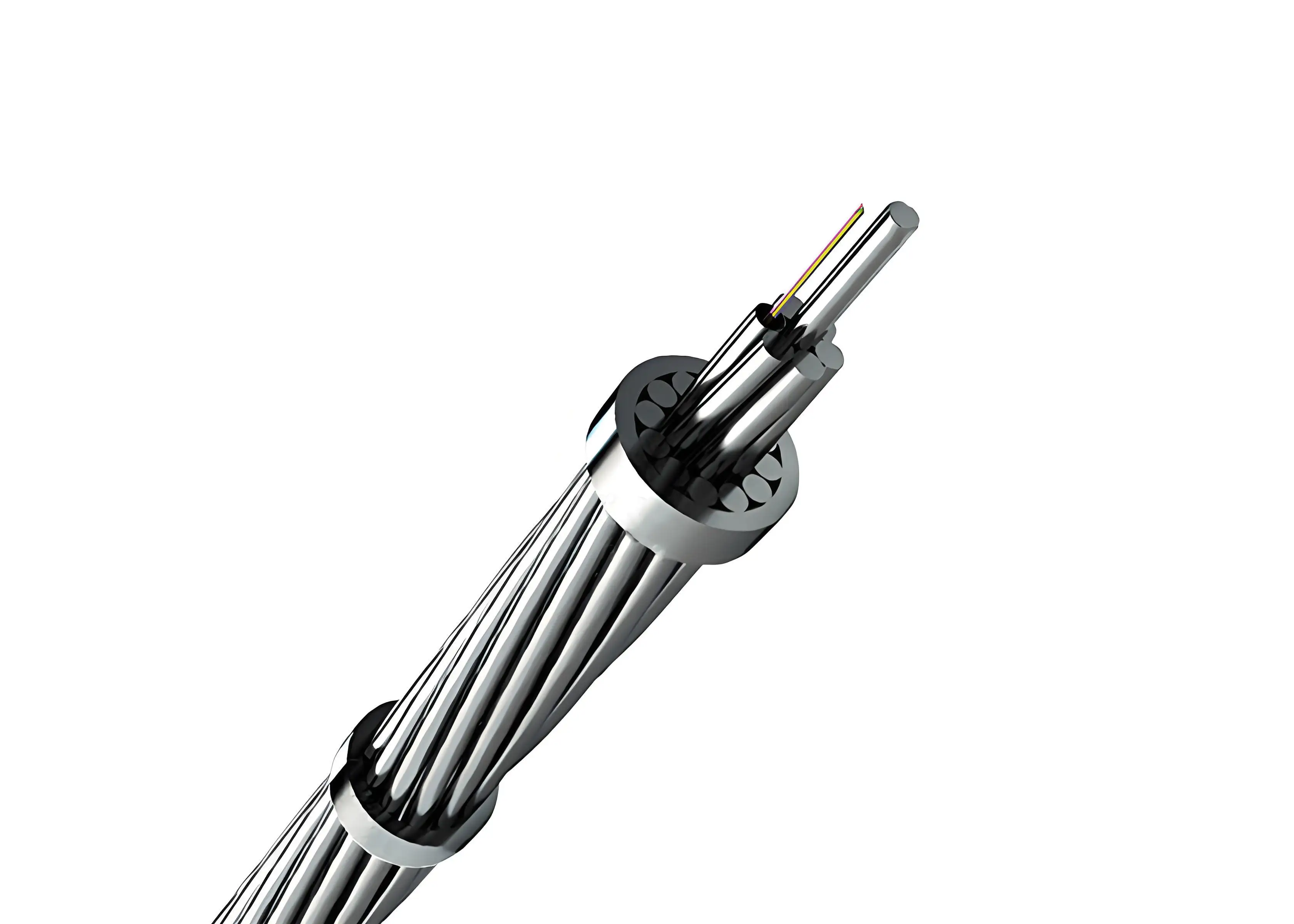
Introduction to All Aluminum Alloy Conductor in Electrical Transmission
In the world of electrical transmission, the use of high-quality conductors is essential for ensuring the efficient and reliable transfer of electricity. One such innovative solution that has gained significant traction in recent years is the all aluminum alloy conductor. This groundbreaking technology offers a myriad of advantages over traditional conductors, making it a popular choice among industry professionals.
The all aluminum alloy conductor is a type of electrical conductor that is made entirely from aluminum and alloy materials. This construction provides a number of distinct benefits, including increased strength, durability, and conductivity. In comparison to traditional aluminum or steel conductors, the all aluminum alloy conductor offers improved performance and efficiency, making it an ideal choice for a wide range of electrical transmission applications.
One of the key advantages of the all aluminum alloy conductor is its superior strength and durability. The use of high-quality alloy materials in the conductor's construction enhances its resistance to bending, stretching, and other forms of mechanical stress. This makes it well-suited for use in areas with harsh environmental conditions, such as high wind or extreme temperatures. The increased durability of the all aluminum alloy conductor also contributes to its longer lifespan, reducing the need for frequent maintenance and replacement.
Additionally, the all aluminum alloy conductor offers enhanced conductivity, allowing for the efficient transfer of electricity over long distances. This is particularly beneficial in electrical transmission systems where minimizing energy loss and maintaining consistent power delivery are essential. The superior conductivity of the all aluminum alloy conductor can result in reduced power dissipation, ultimately leading to cost savings and improved overall performance.
Furthermore, the use of all aluminum alloy conductor promotes environmental sustainability. By utilizing high-quality aluminum and alloy materials, this conductor is lighter in weight than traditional steel conductors, reducing the overall load on transmission towers and support structures. This lightweight design not only facilitates easier installation and maintenance but also contributes to lower transportation and handling costs. Additionally, the recyclability of aluminum makes the all aluminum alloy conductor a more eco-friendly option for electrical transmission projects.
In conclusion, the all aluminum alloy conductor represents a significant advancement in the field of electrical transmission. With its superior strength, durability, conductivity, and environmental benefits, it offers a compelling alternative to traditional conductors. As the demand for efficient and reliable electrical transmission continues to grow, the use of all aluminum alloy conductors is expected to increase, further solidifying its position as a cornerstone technology in the industry.
The Environmental and Cost Advantages of All Aluminum Alloy Conductor
All aluminum alloy conductor (AAAC) is an innovative solution for electrical transmission that offers both environmental and cost advantages. This advanced conductor is increasingly being used in power transmission and distribution systems due to its superior performance and sustainability.
One of the key advantages of using all aluminum alloy conductor is its environmental benefits. Compared to traditional conductors, AAAC is made from high-strength aluminum alloy, which is lighter and more durable than conventional materials. This means that less material is required for the same electrical conductivity, reducing the overall environmental footprint of the transmission infrastructure. Additionally, the production process for all aluminum alloy conductor consumes less energy and emits fewer greenhouse gases compared to other conductors, making it a greener choice for electrical transmission.
Furthermore, all aluminum alloy conductor offers significant cost advantages over other types of conductors. The high-strength aluminum alloy used in AAAC is not only lighter, but also requires less maintenance over its lifespan, resulting in lower operational and maintenance costs for power utilities. In addition, the durability and corrosion resistance of all aluminum alloy conductor means that it has a longer service life, reducing the need for frequent replacements and lowering overall lifecycle costs.
In terms of performance, all aluminum alloy conductor offers several advantages. The high strength-to-weight ratio of the aluminum alloy allows for easier installation and reduced transportation costs, making it a preferred choice for large-scale transmission projects. Additionally, the superior conductivity of AAAC ensures efficient power transmission with minimal energy losses, improving the overall effectiveness of the electrical grid.
As the demand for sustainable and cost-effective transmission solutions continues to grow, the use of all aluminum alloy conductor is becoming increasingly prevalent in the power industry. Its environmental benefits, cost advantages, and superior performance make it an attractive option for power utilities and electrical transmission companies.
In conclusion, all aluminum alloy conductor is a cutting-edge solution for electrical transmission that offers a range of environmental and cost advantages. Its lightweight, durable, and high-performance characteristics make it a preferred choice for large-scale transmission projects, while its sustainability credentials and lifecycle cost savings make it an attractive option for power utilities and transmission companies. As the energy industry continues to prioritize sustainability and efficiency, all aluminum alloy conductor is poised to play a key role in shaping the future of electrical transmission.
The Efficiency and Performance Benefits of Using All Aluminum Alloy Conductor
When it comes to electrical transmission, choosing the right conductor material is crucial for ensuring efficiency and performance. All Aluminum Alloy Conductor (AAAC) is becoming increasingly popular in the electrical industry due to its numerous advantages over traditional conductor materials. In this article, we will explore the efficiency and performance benefits of using AAAC in electrical transmission.
One of the key advantages of using AAAC is its high conductivity. Aluminum has a conductivity that is approximately 61% of copper, making it an excellent alternative for electrical transmission. Additionally, the use of aluminum alloy in AAAC further enhances its conductivity and allows for the transmission of electricity over long distances without significant power loss. The high conductivity of AAAC results in improved efficiency in electrical transmission systems, ultimately leading to lower energy costs for consumers.
In addition to its high conductivity, AAAC also offers superior corrosion resistance. The aluminum alloy used in AAAC is specifically designed to withstand harsh environmental conditions, including exposure to moisture and chemical contaminants. This resistance to corrosion ensures that the conductor maintains its structural integrity over time, reducing the need for frequent maintenance and replacement. As a result, the use of AAAC in electrical transmission systems can lead to long-term cost savings and improved reliability.
Furthermore, AAAC is known for its lightweight and high strength-to-weight ratio. This characteristic makes it easier to handle and install, resulting in reduced labor costs and shorter installation times. The lightweight nature of AAAC also minimizes the strain on supporting structures and facilitates easier transportation, further contributing to overall cost savings and improved efficiency in electrical transmission projects.
Another benefit of using AAAC in electrical transmission is its thermal stability. The aluminum alloy conductor is capable of withstanding high temperatures without compromising its performance, making it particularly well-suited for applications in areas with extreme weather conditions. The thermal stability of AAAC allows for consistent and reliable electricity transmission, even in challenging environments, ultimately improving the overall performance and resilience of electrical transmission systems.
Additionally, the use of AAAC contributes to environmental sustainability. Aluminum is a recyclable material, and the production process for AAAC involves significantly less energy compared to other conductor materials. By choosing AAAC for electrical transmission projects, companies can reduce their carbon footprint and promote sustainable practices within the industry.
In conclusion, the efficiency and performance benefits of using All Aluminum Alloy Conductor in electrical transmission are evident. From its high conductivity and corrosion resistance to its lightweight nature and thermal stability, AAAC offers a range of advantages that contribute to improved efficiency and performance in electrical transmission systems. As the electrical industry continues to evolve, the adoption of AAAC is poised to play a significant role in shaping the future of electrical transmission.
Considerations for Using All Aluminum Alloy Conductor in Electrical Transmission Projects
When it comes to electrical transmission projects, the choice of conductors is a critical decision that can impact the overall performance and cost of the project. In recent years, there has been a growing trend towards the use of all aluminum alloy conductors in electrical transmission projects. These conductors offer a range of advantages over traditional aluminum or copper conductors, including improved performance, reduced weight, and lower installation costs. However, there are several important considerations that should be taken into account when using all aluminum alloy conductors in electrical transmission projects.
One of the key considerations when using all aluminum alloy conductors is their mechanical and electrical properties. All aluminum alloy conductors are designed to have high strength and conductivity, making them an ideal choice for electrical transmission projects. This allows for greater overall efficiency and less power loss, which can lead to significant cost savings over the lifetime of the project. Additionally, the lighter weight of all aluminum alloy conductors makes them easier to handle and install, reducing labor and equipment costs.
Another important consideration is the environmental impact of using all aluminum alloy conductors. Unlike traditional conductors, all aluminum alloy conductors are made from recycled materials, making them a more sustainable choice for electrical transmission projects. Additionally, their lighter weight reduces the environmental impact of transportation and installation, further contributing to a more sustainable and eco-friendly project.
In addition to the mechanical and environmental considerations, it is important to also consider the long-term performance and reliability of all aluminum alloy conductors. These conductors are designed to withstand harsh environmental conditions, such as extreme temperatures, high winds, and corrosive environments. This makes them an ideal choice for electrical transmission projects in a variety of locations, including coastal areas and industrial sites.
Furthermore, it is important to consider the cost implications of using all aluminum alloy conductors in electrical transmission projects. While the initial cost of all aluminum alloy conductors may be higher than traditional aluminum or copper conductors, the long-term benefits in terms of performance, reliability, and sustainability can result in significant cost savings over the lifetime of the project. Additionally, the lighter weight of all aluminum alloy conductors can reduce installation and transportation costs, further contributing to overall cost savings.
In conclusion, there are several important considerations that should be taken into account when using all aluminum alloy conductors in electrical transmission projects. These conductors offer a range of advantages, including improved performance, reduced weight, and lower installation costs. However, it is crucial to carefully consider the mechanical and electrical properties, environmental impact, long-term performance and reliability, and cost implications of using all aluminum alloy conductors before making a decision. By carefully considering these factors, electrical transmission projects can benefit from the advantages of using all aluminum alloy conductors while ensuring the overall success and sustainability of the project.
Conclusion: Why All Aluminum Alloy Conductor is a Superior Choice for Electrical Transmission
In the modern world, where the demand for electricity continues to increase, the need for efficient and reliable electrical transmission is more important than ever. One of the key components of this transmission system is the conductor, which carries the electrical current from one point to another. In recent years, there has been a growing trend towards the use of all aluminum alloy conductors in electrical transmission systems. In this article, we will explore the many advantages of using all aluminum alloy conductors and why they are a superior choice for electrical transmission.
First and foremost, all aluminum alloy conductors are known for their high conductivity. This means that they are able to carry a large amount of electrical current with minimal energy loss. This is in stark contrast to other materials, such as copper, which have lower conductivity and require a larger cross-sectional area to achieve the same level of performance. As a result, all aluminum alloy conductors are able to provide a more efficient and cost-effective solution for electrical transmission.
In addition to their high conductivity, all aluminum alloy conductors also offer a number of other benefits. For example, they are much lighter than their counterparts, such as copper conductors. This makes them easier to handle and install, and can also lead to lower installation costs. Furthermore, all aluminum alloy conductors are resistant to corrosion, which ensures that they will maintain their performance and reliability over time, even in harsh environmental conditions.
Another key advantage of using all aluminum alloy conductors in electrical transmission is their superior mechanical properties. These conductors have high strength and excellent flexibility, which allows them to withstand the rigors of installation and long-term use. This means that they are less likely to experience damage or failure, resulting in a more reliable transmission system overall.
From a sustainability and environmental standpoint, all aluminum alloy conductors also offer significant benefits. Aluminum is a highly recyclable material, and the production process for aluminum alloy conductors requires much less energy than that of other materials. This means that using all aluminum alloy conductors can help to reduce the overall environmental impact of electrical transmission systems.
Finally, all aluminum alloy conductors offer a cost-effective solution for electrical transmission. Not only are they more affordable to produce and install, but they also have a longer service life than many other options. This means that the total cost of ownership for all aluminum alloy conductors is often much lower than that of other materials, making them a highly attractive choice for utility companies and other organizations.
In conclusion, it is clear that all aluminum alloy conductors offer a wide range of advantages for electrical transmission. From their high conductivity and superior mechanical properties to their environmental sustainability and cost-effectiveness, these conductors are a superior choice for the modern electrical grid. As the demand for electricity continues to grow, all aluminum alloy conductors are likely to play an increasingly important role in meeting this need.
Conclusion
In conclusion, the advantages of using all aluminum alloy conductor in electrical transmission are clear and compelling. Not only does it offer greater efficiency and lower maintenance costs, but it also provides a more sustainable and environmentally friendly option for electrical transmission. The lightweight and corrosion-resistant nature of the material makes it an ideal choice for long-distance transmission lines, and its conductivity properties make it a reliable option for delivering electricity with minimal power loss. As technology continues to advance, the use of all aluminum alloy conductors will likely become an increasingly important aspect of electrical transmission systems, offering numerous benefits for both utility companies and consumers alike.
Table of Contents
GET IN TOUCH WITH Us
Ready to work with us?

Find us here:
The cable factory from 2007-2018 are mainly for domestic trading and processing to some export tradingcompanies. The average sales amount are about RMB 320,000,000 per year. For cables oversea market, From last may till now we have expanded our market to Bolivia, Peru, Dominican, Philippines, Vietnam, Thailand, Iraq, Mongolia, Indonesia and some Africa country.
Copyright © 2026 KINGYEAR |Sitemap丨Privacy Polcy