


Please fill out the form below to request a quote or to request more information about us. please be as detailed as possible in your message, and we will get back to you as soon as possible with a response. we're ready to start working on your new project, contact us now to get started.
The Advantages Of Using Stranded Copper Conductors In Electrical Wiring
2026-06-05
KINGYEAR
52
Are you looking to upgrade your electrical wiring system? Look no further! In this article, we will explore the countless advantages of using stranded copper conductors in electrical wiring. From improved flexibility to increased conductivity, stranded copper conductors offer a wide range of benefits that are sure to elevate your electrical system. Join us as we delve into the world of stranded copper conductors and discover why they are the superior choice for your wiring needs.
Understanding the Basics of Stranded Copper Conductors
Stranded copper conductors are an essential component in electrical wiring, and understanding the basics of these conductors is crucial for anyone working in the field of electrical engineering or for those who are simply interested in learning more about the topic. In this article, we will explore the advantages of using stranded copper conductors in electrical wiring and delve into the fundamental principles that underpin their function.
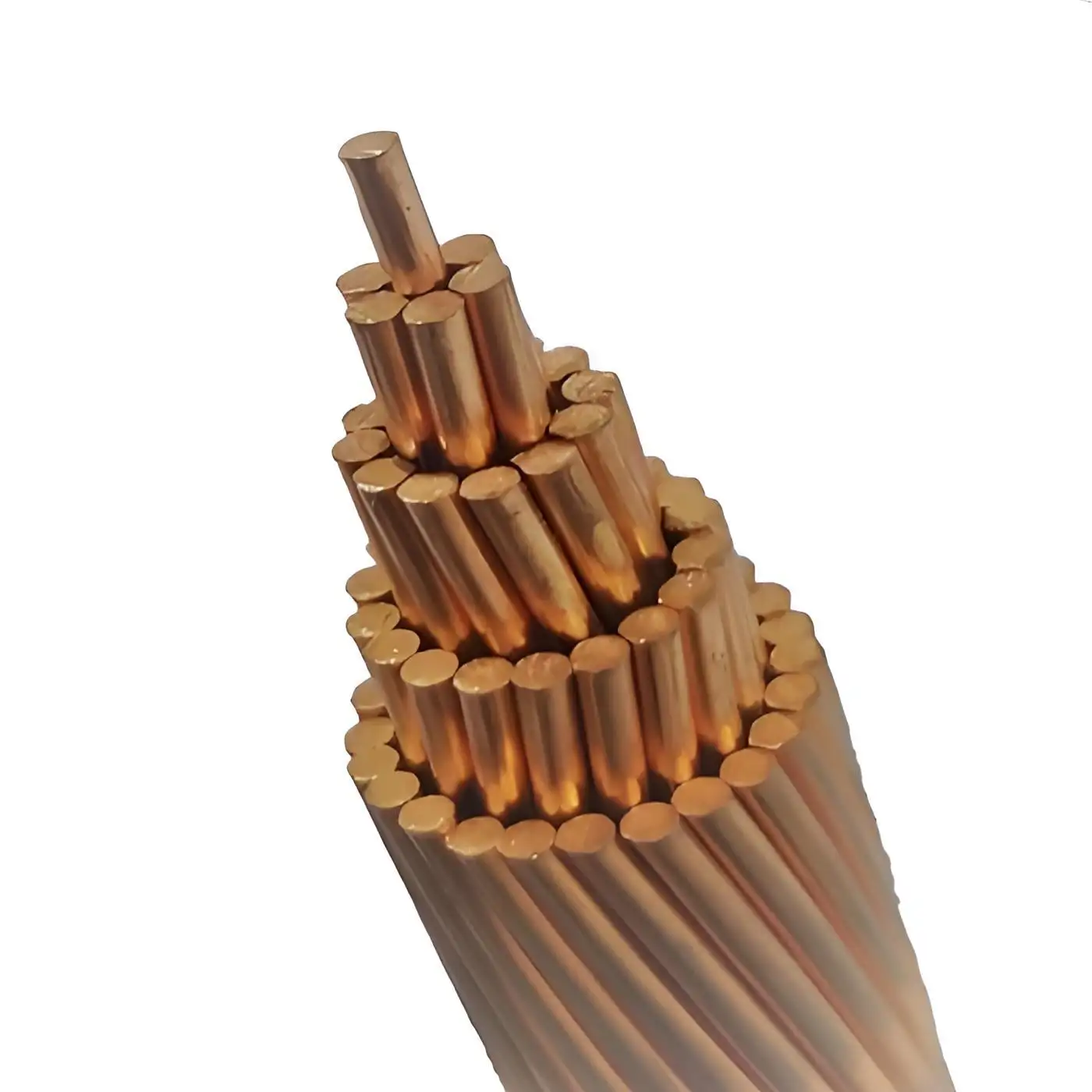
First and foremost, it is important to define what exactly a stranded copper conductor is. Essentially, a stranded copper conductor is composed of multiple strands of copper wire that are twisted or braided together to form a single conductor. This construction provides the conductor with increased flexibility and resistance to breakage compared to solid copper conductors.
One of the primary advantages of using stranded copper conductors in electrical wiring is their flexibility. The multiple strands of copper wire allow the conductor to easily bend and maneuver around corners without the risk of breaking. This flexibility makes stranded copper conductors particularly well-suited for applications where the wire needs to be routed through tight spaces or in situations where frequent movement or vibration is expected, such as in automotive wiring or in industrial equipment.
Furthermore, the larger surface area of stranded copper conductors compared to solid copper conductors allows for better conductivity and lower electrical resistance. This is due to the numerous contact points between the individual strands of copper wire, which facilitates a more efficient flow of electrical current. As a result, stranded copper conductors are capable of carrying higher currents with less energy loss, making them a desirable choice for high-power applications.
In addition to their flexibility and superior conductivity, stranded copper conductors also exhibit enhanced resistance to metal fatigue and corrosion. The construction of multiple strands of copper wire provides a degree of redundancy, meaning that if one strand were to break or corrode, the overall integrity of the conductor would not be compromised. This inherent resilience makes stranded copper conductors an excellent choice for environments that are prone to mechanical stress or exposure to harsh weather conditions.
It is also worth noting that stranded copper conductors are available in a variety of configurations, including different stranding patterns and wire gauges, to accommodate specific application requirements. Whether it is for household wiring, telecommunications systems, or electrical machinery, there is a suitable type of stranded copper conductor to fulfill the needs of any project.
In conclusion, the advantages of using stranded copper conductors in electrical wiring are undeniable. Their flexibility, superior conductivity, resistance to fatigue and corrosion, and the availability of various configurations make them a reliable and versatile choice for a wide range of applications. By understanding the basics of stranded copper conductors, individuals can make informed decisions when it comes to selecting the most suitable wiring solutions for their electrical needs.
The Superior Performance of Stranded Copper Conductors in Electrical Wiring
When it comes to electrical wiring, the choice of conductor material plays a crucial role in determining the overall performance and reliability of the system. While there are several options available in the market, one material that stands out for its superior performance is stranded copper conductors. In this article, we will delve into the advantages of using stranded copper conductors in electrical wiring, highlighting their exceptional properties and the significant impact they can have on the overall efficiency and safety of electrical systems.
At the heart of the superior performance of stranded copper conductors lies in their unique construction. Unlike solid copper conductors, which are made from a single, solid piece of copper, stranded copper conductors are composed of multiple strands of copper wire that are twisted or braided together. This construction offers several advantages that make them the preferred choice for a wide range of electrical wiring applications.
One of the key advantages of using stranded copper conductors is their flexibility. The multiple strands of copper wire allow the conductor to bend and flex more easily, making it ideal for applications where the wire needs to be routed through tight spaces or around corners. This flexibility not only makes installation easier but also reduces the risk of damage to the conductor during handling and use.
In addition to flexibility, the multiple strands of copper wire also provide increased resilience and resistance to fatigue. This means that stranded copper conductors are better able to withstand repeated bending and flexing without experiencing degradation or failure. As a result, they offer greater longevity and reliability compared to solid copper conductors, making them a cost-effective choice for long-term electrical installations.
Furthermore, the increased surface area of stranded copper conductors allows for better conductivity and current-carrying capacity. This means that they can efficiently transmit electrical signals without experiencing significant power losses or voltage drops. As a result, stranded copper conductors are particularly well-suited for applications that require high electrical efficiency, such as power transmission and distribution systems.
Another significant advantage of using stranded copper conductors in electrical wiring is their enhanced resistance to vibration and mechanical stress. The multiple strands of copper wire provide a degree of built-in vibration dampening, making them well-suited for applications in which the conductor is exposed to constant movement or mechanical stress. This can help to minimize the risk of damage and fatigue, thus contributing to the overall reliability and safety of the electrical system.
In conclusion, the use of stranded copper conductors in electrical wiring offers a wide range of advantages that make them the preferred choice for many applications. Their flexibility, resilience, conductivity, and resistance to vibration and mechanical stress all contribute to their superior performance and reliability. As a result, stranded copper conductors are an excellent investment for any electrical system, offering long-term efficiency and safety.
The Flexibility and Durability of Stranded Copper Conductors
Stranded copper conductors are a popular choice for electrical wiring due to their flexibility and durability. These conductors are made up of multiple smaller copper wires twisted together to form a single, larger cable. This design provides numerous advantages over solid copper conductors, making them the preferred option for many electrical applications.
One of the primary benefits of using stranded copper conductors is their flexibility. The multiple smaller wires that make up the stranded conductor allow it to bend and flex more easily than a solid copper wire. This flexibility is especially important in applications where the wire may need to be routed through tight spaces or around corners. Additionally, the flexibility of stranded copper conductors reduces the risk of the wire breaking or cracking when subjected to repeated bending or movement.
In addition to their flexibility, stranded copper conductors are also highly durable. The twisting of the smaller wires together creates a stronger overall cable that is better able to withstand the stresses of installation and use. This durability makes stranded copper conductors less likely to break or become damaged during handling and installation, reducing the risk of costly repairs or replacements. Furthermore, the increased strength of stranded copper conductors also makes them more resistant to damage from vibrations and other environmental factors, ensuring a longer service life.
The stranded design of these conductors also provides another important advantage – improved conductivity. The multiple smaller wires in a stranded conductor create a larger surface area for conducting electricity, resulting in lower resistance and better overall electrical performance. This increased conductivity not only allows for more efficient transmission of electricity but also helps to reduce the buildup of heat in the wire, further enhancing its reliability and safety.
Another key advantage of using stranded copper conductors is their versatility. These conductors are available in a wide range of sizes and configurations, making them suitable for a variety of different electrical applications. Whether used in residential wiring, industrial machinery, or automotive systems, stranded copper conductors offer a versatile and reliable solution for conducting electricity.
In conclusion, the flexibility and durability of stranded copper conductors make them an excellent choice for electrical wiring. Their ability to bend and flex, combined with their strength and conductivity, provides numerous benefits over solid copper conductors. Whether in residential, commercial, or industrial settings, the versatility and reliability of stranded copper conductors make them an essential component of modern electrical systems.
The Cost-Effectiveness of Using Stranded Copper Conductors in Electrical Wiring
When it comes to electrical wiring, the choice of conductor material can have a significant impact on both the performance of the wiring and the overall cost. One option that is gaining popularity in the electrical industry is the use of stranded copper conductors. These conductors, made up of multiple smaller copper wires twisted together, offer a number of advantages over solid copper conductors, including improved flexibility, durability, and cost-effectiveness.
One of the primary advantages of using stranded copper conductors in electrical wiring is their cost-effectiveness. While solid copper conductors are often the go-to choice for many electrical applications, they can be more expensive to produce and install. Stranded copper conductors, on the other hand, are typically more cost-effective due to the reduced amount of copper required to manufacture them. This can result in significant cost savings, particularly for large-scale electrical installations.
In addition to their cost-effectiveness, stranded copper conductors also offer improved flexibility compared to solid copper conductors. The individual strands of copper in a stranded conductor are able to move independently of each other, making the overall conductor more flexible and easier to install in tight spaces or around corners. This flexibility can reduce the time and labor required for installation, further contributing to cost savings.
Another advantage of using stranded copper conductors in electrical wiring is their durability. The multiple strands of copper in a stranded conductor provide a greater surface area for conducting electricity, which can help to reduce the risk of overheating and potential damage to the wiring. This can result in a longer lifespan for the wiring, reducing the need for costly repairs or replacement down the line.
Furthermore, the use of stranded copper conductors can also improve the overall performance of an electrical system. The increased surface area of the strands allows for better conductivity, resulting in improved efficiency and reduced energy loss. This can be particularly beneficial in high-current applications, where the use of stranded copper conductors can help to maintain a more consistent flow of electricity and reduce the risk of voltage drops.
In conclusion, the advantages of using stranded copper conductors in electrical wiring are clear. Not only do they offer improved flexibility, durability, and performance, but they are also more cost-effective than solid copper conductors. For these reasons, stranded copper conductors are becoming an increasingly popular choice for electrical installations in a wide range of applications. By considering the cost-effectiveness of using stranded copper conductors, electrical professionals and consumers alike can make informed choices that deliver both practical and financial benefits.
Conclusion: The Benefits of Choosing Stranded Copper Conductors for Electrical Projects
Stranded copper conductors have become a popular choice for electrical projects due to the numerous benefits they offer. As we conclude our exploration of the advantages of using stranded copper conductors in electrical wiring, it becomes clear that this type of conductor is the superior choice for various reasons.
One of the primary benefits of choosing stranded copper conductors for electrical projects is their flexibility. Unlike solid copper conductors, which can be stiff and difficult to work with, stranded copper conductors are made up of multiple smaller wires twisted together. This construction allows them to be more pliable, making them easier to bend and maneuver during installation. This flexibility is particularly advantageous in scenarios where the wiring needs to navigate tight spaces or around corners, as it reduces the risk of damage and simplifies the installation process.
In addition to their flexibility, stranded copper conductors also offer enhanced durability. The multiple strands of copper within each conductor distribute the electrical current more evenly, reducing the risk of hot spots and potential damage. This increased durability makes stranded copper conductors suitable for a wide range of applications, from residential wiring to industrial projects. Their ability to withstand the rigors of electrical currents and environmental factors ensures a reliable and long-lasting electrical system.
Furthermore, the use of stranded copper conductors can contribute to improved conductivity. The multiple strands within each conductor provide additional pathways for the flow of electricity, resulting in lower resistance and improved overall conductivity. This, in turn, can lead to more efficient electrical systems, reduced energy consumption, and cost savings over time. The superior conductivity of stranded copper conductors makes them an ideal choice for applications where reliable and efficient electrical flow is essential.
Another advantage of choosing stranded copper conductors for electrical projects is their resistance to breakage. The individual strands within the conductor provide added strength and resilience, reducing the likelihood of breakage or damage during installation or use. This resistance to breakage contributes to the overall reliability and longevity of the electrical system, ensuring that it continues to perform at its best for years to come.
In conclusion, the benefits of choosing stranded copper conductors for electrical projects are clear. From their flexibility and durability to their enhanced conductivity and resistance to breakage, stranded copper conductors offer numerous advantages over other types of conductors. Their superior performance and reliability make them a preferred choice for electrical wiring in a wide range of applications. By selecting stranded copper conductors, individuals and businesses can enjoy the peace of mind that comes with a high-quality electrical system that is built to last. Whether for residential, commercial, or industrial use, the use of stranded copper conductors is a wise investment in the safety and efficiency of any electrical project.
Conclusion
The advantages of using stranded copper conductors in electrical wiring are numerous and significant. From their flexibility and durability to their ability to carry higher currents and resist corrosion, it's clear that stranded copper conductors are the ideal choice for electrical applications. By using these conductors, we can ensure safer, more efficient electrical systems that provide long-lasting performance. Whether in residential, commercial, or industrial settings, the benefits of using stranded copper conductors are undeniable. Overall, it's clear that these conductors are the superior choice for electrical wiring, and their advantages cannot be overlooked.
Table of Contents
GET IN TOUCH WITH Us
Ready to work with us?

Find us here:
The cable factory from 2007-2018 are mainly for domestic trading and processing to some export tradingcompanies. The average sales amount are about RMB 320,000,000 per year. For cables oversea market, From last may till now we have expanded our market to Bolivia, Peru, Dominican, Philippines, Vietnam, Thailand, Iraq, Mongolia, Indonesia and some Africa country.
Copyright © 2026 KINGYEAR |Sitemap丨Privacy Polcy