


Please fill out the form below to request a quote or to request more information about us. please be as detailed as possible in your message, and we will get back to you as soon as possible with a response. we're ready to start working on your new project, contact us now to get started.
The Benefits Of AAAC Conductors: A Lightweight And Efficient Solution For Power Transmission
2026-06-08
KINGYEAR
47
Are you looking for a lightweight and efficient solution for power transmission? Look no further than AAAC conductors. In this article, we will explore the numerous benefits of AAAC conductors and why they are the ideal choice for power transmission. From their high strength-to-weight ratio to their ability to withstand harsh environmental conditions, AAAC conductors offer a range of advantages that make them a top choice for power distribution systems. Read on to discover how AAAC conductors can improve the efficiency and reliability of your power transmission infrastructure.
Introduction to AAAC Conductors: What are They?
The use of AAAC conductors has become increasingly popular in the field of power transmission due to their lightweight and efficient nature. In this article, we will delve into the benefits of AAAC conductors and explore what sets them apart from other types of conductors.
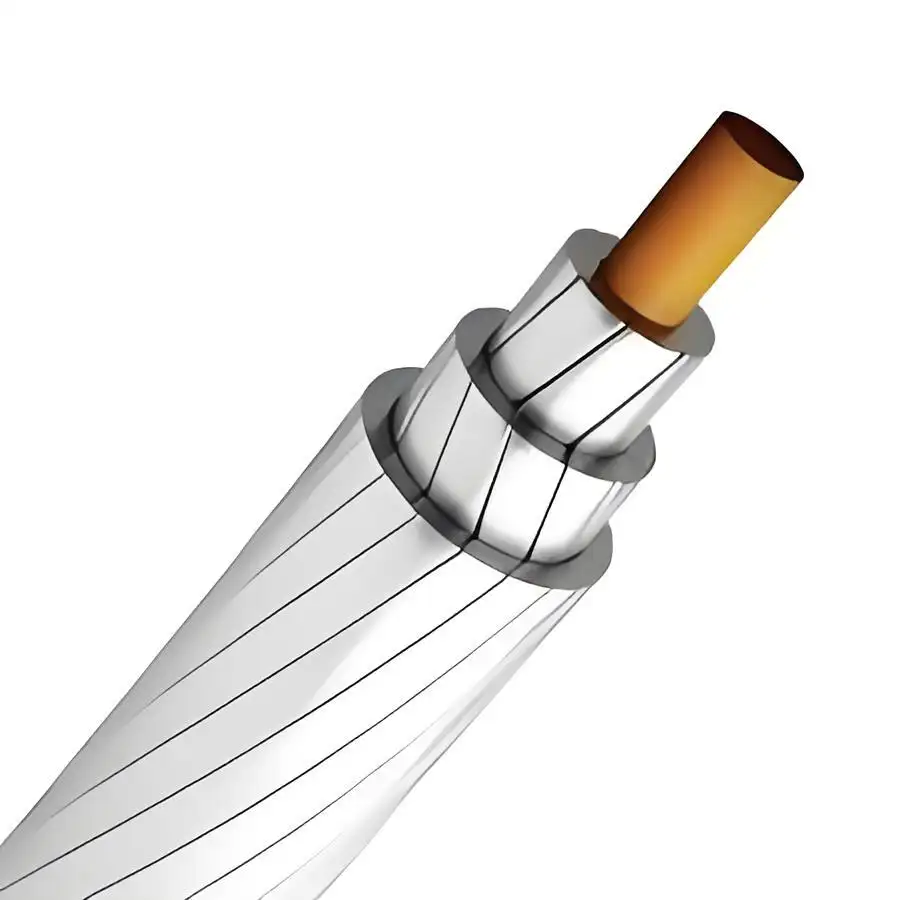
AAAC stands for All Aluminum Alloy Conductor, and as the name suggests, these conductors are made entirely of aluminum alloy. This characteristic makes AAAC conductors significantly lighter than traditional steel-reinforced conductors, making them an ideal choice for power transmission applications where weight is a concern.
One of the key benefits of AAAC conductors is their high strength-to-weight ratio. The use of aluminum alloy in their construction allows them to achieve the same strength as traditional steel conductors, while being significantly lighter. This makes them easier to handle during installation and reduces the overall load on transmission towers, resulting in lower infrastructure costs.
In terms of efficiency, AAAC conductors have low electrical resistance, which means they can transmit power with minimal energy loss. This makes them an attractive option for long-distance power transmission projects where reducing transmission losses is crucial. Additionally, the use of aluminum alloy in their construction makes AAAC conductors highly resistant to corrosion, ensuring a long service life and minimal maintenance requirements.
Another notable feature of AAAC conductors is their excellent conductivity. The high purity of the aluminum alloy used in their construction allows for efficient power transmission, reducing the need for larger conductor sizes compared to other types of conductors. This can result in cost savings and a more streamlined transmission system.
AAAC conductors are also known for their flexibility, allowing for easier installation and adaptation to different environmental conditions. This makes them a versatile option for a range of power transmission applications, from overhead lines to underground cables.
In summary, the benefits of AAAC conductors are numerous. Their lightweight nature, high strength-to-weight ratio, low electrical resistance, and excellent conductivity make them an efficient and cost-effective solution for power transmission. Their resistance to corrosion and flexibility further add to their appeal, making them a popular choice for a variety of transmission projects.
As the demand for efficient and reliable power transmission continues to grow, it is clear that AAAC conductors play a crucial role in meeting these needs. Their unique combination of properties makes them a standout option for modern power transmission systems, and their popularity is only expected to increase in the years to come.
In conclusion, as the world looks for innovative and sustainable solutions for power transmission, AAAC conductors stand out as a lightweight and efficient option that offers numerous benefits for a wide range of applications. Their unique properties and outstanding performance make them a valuable asset in the field of power transmission, and their continued use is sure to drive further advancements in the industry.
The Advantages of AAAC Conductors for Power Transmission
When it comes to power transmission, the choice of conductors plays a vital role in ensuring efficient and reliable distribution of electricity. AAAC (All Aluminum Alloy Conductor) conductors have emerged as a lightweight and efficient solution for power transmission, offering a range of advantages over traditional conductors. In this article, we will explore the benefits of AAAC conductors and why they are an ideal choice for power transmission applications.
One of the key advantages of AAAC conductors is their lightweight nature. Made from high-strength aluminum alloys, AAAC conductors are significantly lighter than traditional steel-reinforced conductors. This lightweight nature makes them easier to handle and install, reducing the labor and equipment required for installation. Additionally, the reduced weight of AAAC conductors can lead to lower installation costs and easier transportation, making them a cost-effective solution for power transmission projects.
In addition to their lightweight nature, AAAC conductors offer high electrical conductivity. The use of high-strength aluminum alloys in the construction of AAAC conductors results in improved electrical conductivity, allowing for more efficient transmission of electricity. This high conductivity not only reduces power losses during transmission but also allows for higher load-carrying capacity, making AAAC conductors an efficient choice for long-distance power transmission.
Furthermore, AAAC conductors are highly resistant to corrosion, making them suitable for use in harsh environmental conditions. The use of aluminum alloys in the construction of AAAC conductors provides inherent corrosion resistance, ensuring long-term reliability and durability in various outdoor environments. This resistance to corrosion makes AAAC conductors a low-maintenance solution for power transmission, reducing the need for frequent inspections and replacements.
Another advantage of AAAC conductors is their high tensile strength and mechanical durability. The use of aluminum alloys with high tensile strength in the construction of AAAC conductors results in excellent mechanical properties, allowing them to withstand external forces and environmental stresses. This high tensile strength and mechanical durability make AAAC conductors well-suited for use in overhead power transmission lines, where they may be exposed to varying weather conditions and mechanical stresses.
In conclusion, AAAC conductors offer a range of advantages for power transmission applications. Their lightweight nature, high electrical conductivity, resistance to corrosion, and excellent mechanical properties make them an ideal choice for long-distance power transmission projects. With their ability to reduce installation costs, power losses, and maintenance requirements, AAAC conductors have become a preferred solution for efficient and reliable power transmission. As the demand for energy continues to grow, AAAC conductors are poised to play a crucial role in meeting the needs of modern power transmission infrastructure.
Comparing AAAC Conductors to Traditional Conductor Materials
When it comes to power transmission, the choice of conductor material plays a crucial role in ensuring efficiency and reliability. In recent years, All Aluminum Alloy Conductor (AAAC) has gained significant attention as a lightweight and efficient solution for power transmission. In this article, we will delve into the benefits of AAAC conductors and compare them to traditional conductor materials to shed light on the advantages of using AAAC conductors in power transmission systems.
To begin with, it is essential to understand the composition of AAAC conductors. Unlike traditional conductor materials such as ACSR (Aluminum Conductor Steel Reinforced) and AAC (All Aluminum Conductor), AAAC conductors are made of aluminum alloy strands. This unique composition offers several advantages, including high strength-to-weight ratio, better corrosion resistance, and improved conductivity. These attributes make AAAC conductors a superior choice for power transmission, especially in applications where weight and strength are crucial factors.
One of the key benefits of AAAC conductors is their lightweight nature. The use of aluminum alloy strands in AAAC conductors results in a significantly lighter weight compared to traditional conductor materials. This lightweight characteristic not only makes installation and maintenance easier but also reduces the load on supporting structures, leading to cost savings and improved overall system efficiency.
In addition to being lightweight, AAAC conductors offer higher strength and better corrosion resistance than traditional conductor materials. The use of aluminum alloy strands enhances the tensile strength of the conductor, making it more resilient to mechanical stress and environmental factors. This increased strength and corrosion resistance extend the service life of AAAC conductors, translating into lower maintenance costs and a more reliable power transmission system.
Furthermore, AAAC conductors exhibit improved conductivity, thanks to the composition of aluminum alloy strands. This results in lower electrical losses and higher efficiency in power transmission, ultimately leading to energy savings and reduced operational costs. By comparison, traditional conductor materials may suffer from higher electrical losses and lower efficiency, making them less optimal for modern power transmission systems.
When comparing AAAC conductors to traditional conductor materials such as ACSR and AAC, it becomes evident that AAAC conductors offer a compelling set of benefits that make them an attractive choice for power transmission applications. Their lightweight nature, superior strength, corrosion resistance, and improved conductivity set them apart as a more efficient solution for modern power transmission systems.
In conclusion, the benefits of AAAC conductors make them a compelling choice for power transmission applications. Their lightweight nature, superior strength, corrosion resistance, and improved conductivity position them as a more efficient solution compared to traditional conductor materials. As the demand for reliable and efficient power transmission systems continues to grow, AAAC conductors are poised to play a significant role in meeting these requirements and shaping the future of power transmission technology.
Applications and Uses of AAAC Conductors in the Power Industry
AAAC conductors have become a popular choice in the power industry due to their lightweight and efficient design. These conductors have a wide range of applications and uses, making them an essential component in power transmission.
One of the key applications of AAAC conductors is in overhead power transmission lines. These conductors are used to carry electricity over long distances, making them an integral part of the power grid. Due to their lightweight design, AAAC conductors are easier to install and maintain, making them a cost-effective solution for power transmission.
In addition to overhead power transmission lines, AAAC conductors are also used in distribution lines. These conductors are capable of carrying high levels of electricity, making them ideal for distributing power to residential and commercial areas. Their efficient design allows for a reliable and consistent flow of electricity, ensuring that power is delivered to where it is needed most.
Furthermore, AAAC conductors are also used in substation connections. These conductors play a crucial role in connecting power plants to the main grid, as well as in distributing electricity to various substations. Their high conductivity and strength make them a dependable choice for substation connections, ensuring a stable and efficient flow of electricity throughout the power grid.
Another important application of AAAC conductors is in renewable energy projects. As the demand for renewable energy sources continues to grow, AAAC conductors are being used to connect solar and wind farms to the power grid. Their lightweight design and high conductivity make them an ideal choice for transmitting electricity from these sources to the main grid, helping to meet the growing demand for clean and sustainable energy.
In addition to their various applications, AAAC conductors also offer a number of benefits in the power industry. Their lightweight design reduces the overall weight of power transmission lines, leading to lower installation and maintenance costs. Additionally, their high conductivity and strength ensure a reliable and efficient flow of electricity, contributing to the overall stability of the power grid.
In conclusion, AAAC conductors have become a crucial component in the power industry due to their versatility and efficiency. From overhead power transmission lines to renewable energy projects, these conductors play a vital role in ensuring a reliable and consistent flow of electricity. With their lightweight design and high conductivity, AAAC conductors are a cost-effective and dependable solution for power transmission in the modern world.
Conclusion: How AAAC Conductors Are Improving Power Transmission Efficiencies
The use of AAAC (All Aluminum Alloy Conductors) in the field of power transmission has proven to be a game changer in improving efficiency and reducing overall costs. In this article, we will delve into the various ways in which AAAC conductors contribute to enhancing power transmission efficiencies.
One of the key factors that make AAAC conductors stand out is their lightweight nature. Thanks to their aluminum alloy composition, these conductors are significantly lighter than traditional steel conductors. This makes them easier to handle, transport, and install, ultimately reducing labor and logistical costs. Additionally, the reduced weight of AAAC conductors means that they exert less mechanical stress on towers and other supporting structures, leading to longer lifetimes and lower maintenance requirements.
In addition to their lightweight property, AAAC conductors boast impressive conductivity characteristics. The aluminum alloy composition of these conductors enables them to efficiently transmit electricity with minimal power losses. This is particularly crucial in long-distance transmission lines, where minimizing energy losses is paramount. By utilizing AAAC conductors, power transmission companies can effectively improve the overall efficiency of their networks, translating to cost savings and more reliable electricity delivery to end consumers.
Furthermore, the corrosion resistance of AAAC conductors sets them apart from other conductor materials. The aluminum alloy composition provides excellent immunity to corrosion, even in harsh environmental conditions. This translates to a longer service life for the conductors, reducing the need for frequent replacements and maintenance. As a result, power transmission companies can realize significant cost savings and improved reliability by incorporating AAAC conductors into their networks.
The versatility of AAAC conductors further contributes to their impact on power transmission efficiencies. These conductors are designed to accommodate a wide range of transmission voltages, making them suitable for various applications, from distribution lines to high-voltage transmission systems. This flexibility allows power transmission companies to standardize their conductor materials across different sections of their networks, streamlining procurement and maintenance processes.
Another aspect worth noting is the environmental benefits of AAAC conductors. Their lightweight nature and high conductivity contribute to lower carbon emissions during manufacturing and transportation, reducing the overall environmental impact of power transmission infrastructure. Additionally, the extended service life and reduced maintenance requirements of AAAC conductors align with sustainable practices, further emphasizing their positive influence on power transmission efficiencies.
In conclusion, the utilization of AAAC conductors in power transmission systems has significantly improved overall efficiencies in various aspects. From their lightweight and corrosion-resistant properties to their high conductivity and versatility, AAAC conductors offer a range of benefits that translate to cost savings, improved reliability, and reduced environmental impact. As the demand for efficient and sustainable power transmission solutions continues to grow, AAAC conductors are set to play a crucial role in shaping the future of the industry.
Conclusion
AAAC conductors offer numerous benefits for power transmission, including their lightweight and efficient design. Their ability to carry more current without increasing the overall weight of the transmission lines makes them a cost-effective solution for utilities and power companies. Additionally, their resistance to corrosion and ability to withstand extreme weather conditions make them a reliable and durable choice for long-term power transmission needs. With their excellent conductivity and high strength-to-weight ratio, AAAC conductors are clearly a valuable asset for any power transmission system. As the demand for efficient and reliable power transmission solutions continues to grow, AAAC conductors are sure to play a crucial role in meeting these needs for years to come.
Table of Contents
GET IN TOUCH WITH Us
Ready to work with us?

Find us here:
The cable factory from 2007-2018 are mainly for domestic trading and processing to some export tradingcompanies. The average sales amount are about RMB 320,000,000 per year. For cables oversea market, From last may till now we have expanded our market to Bolivia, Peru, Dominican, Philippines, Vietnam, Thailand, Iraq, Mongolia, Indonesia and some Africa country.
Copyright © 2026 KINGYEAR |Sitemap丨Privacy Polcy