


Please fill out the form below to request a quote or to request more information about us. please be as detailed as possible in your message, and we will get back to you as soon as possible with a response. we're ready to start working on your new project, contact us now to get started.
The Benefits Of Aluminium Bare Conductors In Electrical Transmission
2026-06-18
KINGYEAR
23
Welcome to our article on the benefits of aluminium bare conductors in electrical transmission. As technology continues to advance, the use of aluminium bare conductors in electrical transmission has become increasingly popular. In this article, we will explore the various advantages of using aluminium bare conductors, including their durability, cost-effectiveness, and efficiency. Whether you are a professional in the electrical industry or simply curious about the latest innovations in transmission technology, this article will provide valuable insights into the benefits of aluminium bare conductors. Join us as we delve into the world of electrical transmission and discover the advantages of this versatile material.
Introduction to Aluminium Bare Conductors
Aluminium bare conductors have become an increasingly popular choice for electrical transmission systems due to their numerous benefits and advantages. In this article, we will explore the key characteristics and advantages of aluminium bare conductors in electrical transmission.
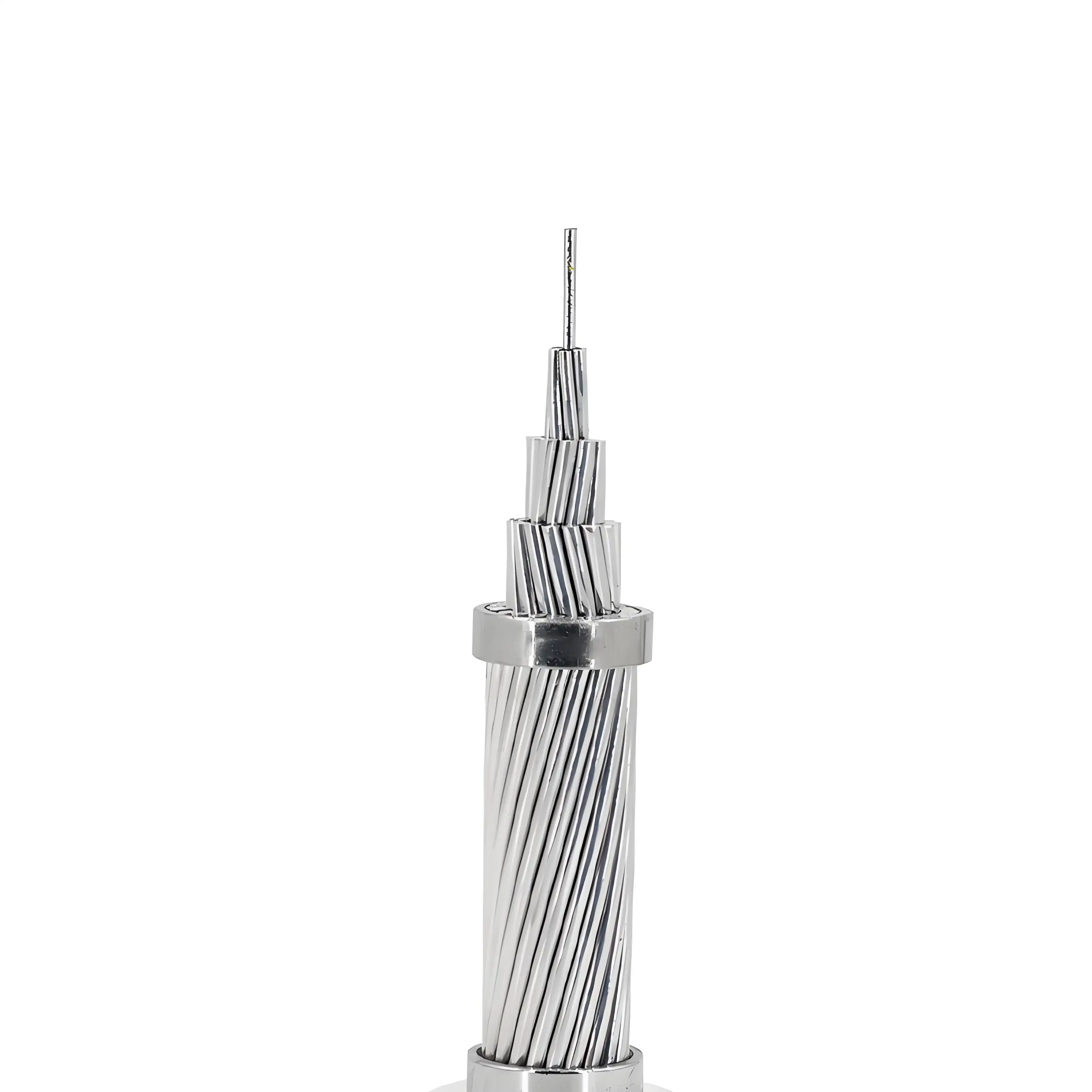
Aluminium bare conductors are essentially aluminium wires that are used to transmit electrical power in various applications. These conductors are not insulated, hence the term "bare," and are often used in overhead power transmission lines. The use of aluminium as the primary material for bare conductors offers several key advantages over traditional copper conductors, making them a preferred choice in many electrical transmission applications.
One of the primary benefits of aluminium bare conductors is their lightweight nature. Aluminium is significantly lighter than copper, which makes it easier and more cost-effective to transport and install. This lightweight characteristic also reduces the overall load on transmission towers, making them more structurally efficient and easier to maintain.
In addition to their lightweight nature, aluminium bare conductors also offer excellent conductivity. While aluminium has a slightly lower conductivity compared to copper, it is still highly efficient in transmitting electrical power over long distances. This makes aluminium bare conductors a practical and reliable choice for electrical transmission systems.
Furthermore, aluminium bare conductors are highly resistant to corrosion, particularly when compared to copper conductors. This makes them well-suited for outdoor applications, as they can withstand harsh environmental conditions without deteriorating over time. Their resistance to corrosion also contributes to their longevity and overall durability, reducing the need for frequent maintenance and replacement.
Another key advantage of aluminium bare conductors is their cost-effectiveness. Aluminium is a more abundant and less expensive material compared to copper, making it a more economical choice for electrical transmission projects. This cost-effectiveness makes aluminium bare conductors an attractive option for utility companies and electrical contractors looking to minimize project costs without compromising on performance.
Moreover, the installation of aluminium bare conductors is relatively straightforward, further adding to their appeal. Their lightweight nature and flexibility make them easier to handle and install, saving time and labor costs during the installation process. This ease of installation also contributes to overall project efficiency and expediency.
In conclusion, the use of aluminium bare conductors in electrical transmission offers a multitude of benefits that are advantageous to both utility companies and end-users. From their lightweight and durable nature to their cost-effectiveness and ease of installation, aluminium bare conductors have proven to be a reliable and efficient choice for electrical transmission systems. As the demand for efficient and sustainable electrical transmission solutions continues to grow, the use of aluminium bare conductors is expected to remain a prominent and preferred option in the industry.
Advantages of Using Aluminium Bare Conductors in Electrical Transmission
As the demand for electricity continues to rise, the importance of efficient electrical transmission systems becomes increasingly evident. Aluminium bare conductors have emerged as a preferred choice for electrical transmission due to their numerous advantages over other materials. In this article, we will explore the various benefits of using aluminium bare conductors in electrical transmission, shedding light on their superior performance and cost-effectiveness.
One of the key advantages of using aluminium bare conductors is their lightweight nature. Aluminium is significantly lighter than other metals such as copper, making it easier to handle and install. This reduces the overall weight of the transmission lines, leading to lower transportation costs and simplified installation processes. Additionally, the lightweight nature of aluminium conductors allows for longer spans between supporting structures, resulting in reduced material and labor expenses.
Furthermore, aluminium bare conductors offer excellent conductivity, allowing for efficient transmission of electrical power over long distances. Despite being lighter than copper, aluminium has a higher electrical conductivity, making it an ideal choice for electrical transmission applications. This high conductivity minimizes power losses during transmission, leading to improved efficiency and reduced energy costs. In addition, aluminium conductors have lower impedance, enabling them to carry larger currents without experiencing significant voltage drops.
In addition to their lightweight and high conductivity, aluminium bare conductors exhibit excellent corrosion resistance. When exposed to the elements, aluminium forms a protective oxide layer that prevents corrosion and deterioration. This makes aluminium conductors particularly well-suited for outdoor and overhead transmission lines, where they are subjected to varying weather conditions. The corrosion resistance of aluminium conductors translates to longer service life and reduced maintenance requirements, ultimately contributing to cost savings for utility companies.
Another notable advantage of aluminium bare conductors is their cost-effectiveness. Aluminium is abundant and widely available, resulting in lower material costs compared to other metals such as copper. Additionally, the lightweight nature of aluminium conductors leads to reduced transportation and installation expenses. Furthermore, the longevity and minimal maintenance requirements of aluminium conductors contribute to long-term cost savings for utility companies and end-users.
In conclusion, the benefits of using aluminium bare conductors in electrical transmission are clear. Their lightweight nature, excellent conductivity, corrosion resistance, and cost-effectiveness make them an attractive choice for utility companies and electrical contractors. As the demand for efficient electrical transmission systems continues to grow, the use of aluminium conductors is likely to become even more prevalent. With their superior performance and cost-effective nature, aluminium bare conductors are poised to play a crucial role in shaping the future of electrical transmission.
Cost-Efficiency and Durability of Aluminium Bare Conductors
Aluminium bare conductors have been gaining popularity in the electrical transmission industry due to their cost-efficiency and durability. These conductors are made of high-quality aluminium, which offers a range of benefits for electrical transmission systems.
One of the primary advantages of aluminium bare conductors is their cost-efficiency. Compared to other materials such as copper, aluminium is more affordable, making it an attractive option for electrical transmission projects. The lower cost of aluminium bare conductors allows for significant cost savings, especially for large-scale projects where a substantial amount of conductor is required.
In addition to cost-efficiency, aluminium bare conductors are also known for their durability. Aluminium is a lightweight and flexible material that is highly resistant to corrosion and oxidation. This makes it a suitable choice for outdoor and high-temperature environments, where the conductors are exposed to harsh weather conditions. The durability of aluminium bare conductors ensures that they have a long lifespan and require minimal maintenance, saving time and resources in the long run.
Furthermore, aluminium bare conductors offer excellent electrical conductivity, allowing for efficient transmission of electricity. This means that the conductors can effectively transport electricity over long distances with minimal power loss. The high electrical conductivity of aluminium bare conductors contributes to their overall efficiency, making them a reliable choice for electrical transmission systems.
Another benefit of aluminium bare conductors is their light weight, which makes them easier to handle and install. The lightweight nature of aluminium conductors simplifies the installation process and reduces the need for heavy machinery, resulting in lower installation costs and faster project completion.
Moreover, aluminium bare conductors are environmentally friendly, as aluminium is a recyclable material. Using aluminium conductors in electrical transmission projects contributes to sustainability efforts by reducing the need for new raw materials and minimizing waste. This aligns with the increasing emphasis on sustainable practices in the electrical industry.
In conclusion, the benefits of aluminium bare conductors in electrical transmission systems are numerous. From their cost-efficiency and durability to their excellent electrical conductivity and environmental friendliness, aluminium conductors offer a range of advantages for transmission projects. As the demand for reliable and efficient electrical transmission continues to grow, aluminium bare conductors are poised to play a significant role in meeting these needs.
By choosing aluminium bare conductors, electrical transmission companies can maximize their cost-efficiency, ensure long-term durability, and contribute to sustainable practices, ultimately leading to improved performance and success in their projects.
Environmental Benefits of Aluminium Bare Conductors
Aluminium bare conductors, also known as overhead transmission conductors, are widely used in electrical transmission due to their numerous environmental benefits. These conductors are made of high-quality aluminium, which is a lightweight and highly conductive metal. Aluminium bare conductors serve as the backbone of many electrical transmission systems, providing a reliable and efficient means of delivering electricity to homes, businesses, and communities. In addition to their functional benefits, these conductors also offer significant environmental advantages, making them a sustainable choice for electrical transmission infrastructure.
One of the key environmental benefits of aluminium bare conductors is their recyclability. Aluminium is one of the most recyclable materials in the world, with nearly 75% of all aluminium ever produced still in use today. This high rate of recyclability reduces the need for new aluminium production, which in turn reduces energy consumption and greenhouse gas emissions. By using aluminium bare conductors in electrical transmission systems, stakeholders can contribute to a more sustainable and circular economy, helping to minimize the environmental impact of power infrastructure.
Furthermore, aluminium bare conductors require less material than traditional copper conductors, making them a more resource-efficient option. With their lightweight and high-strength properties, aluminium conductors can carry the same amount of electrical current as copper conductors, but with less material. This means that fewer natural resources are required for the production of aluminium conductors, reducing the overall environmental footprint of electrical transmission infrastructure. By choosing aluminium bare conductors, stakeholders can promote resource efficiency and conservation, supporting the long-term health of the planet.
In addition to their recyclability and resource efficiency, aluminium bare conductors also offer environmental benefits through their long service life and low maintenance requirements. Aluminium is highly resistant to corrosion, which allows bare conductors to withstand harsh environmental conditions without deteriorating. This longevity reduces the need for frequent replacements and maintenance, minimizing the environmental impact of electrical transmission infrastructure. Furthermore, the lightweight nature of aluminium conductors simplifies installation and reduces the need for heavy machinery, further lowering the environmental footprint of transmission line construction and maintenance.
The environmental benefits of aluminium bare conductors extend beyond their material properties to the overall performance of electrical transmission systems. By using aluminium conductors, stakeholders can enhance the efficiency of power delivery, reducing energy losses and improving the sustainability of electricity generation and distribution. The lightweight and high-conductivity properties of aluminium contribute to lower transmission losses, ultimately promoting energy conservation and reducing the environmental impact of power infrastructure.
In conclusion, the environmental benefits of aluminium bare conductors make them a sustainable choice for electrical transmission infrastructure. From their recyclability and resource efficiency to their long service life and high performance, aluminium conductors offer numerous advantages for minimizing the environmental impact of power delivery. By choosing aluminium bare conductors, stakeholders can support the transition to a more sustainable and environmentally responsible energy sector, contributing to a greener future for generations to come.
Considerations for Choosing Aluminium Bare Conductors for Electrical Transmission
Aluminium bare conductors are widely used in electrical transmission systems due to their numerous benefits. When choosing the right conductor for a transmission project, there are several important considerations to keep in mind. From the material composition to the environmental factors, selecting the appropriate aluminium bare conductor can have a significant impact on the efficiency and reliability of a transmission system.
The material composition of aluminium bare conductors is a crucial consideration when choosing the right conductor for electrical transmission. Aluminium is lightweight and offers a high level of conductivity, making it an ideal choice for transmission lines. The bare nature of the conductor means that it is not insulated, allowing for efficient heat dissipation and minimizing the risk of overheating. Additionally, aluminium has a high resistance to corrosion, ensuring the longevity and durability of the conductor in various environmental conditions.
Another important consideration for choosing aluminium bare conductors for electrical transmission is the mechanical properties of the conductor. The conductor must be able to withstand the mechanical stresses and forces that it will encounter during installation and operation. Aluminium bare conductors are known for their high tensile strength and flexibility, allowing for ease of installation and reducing the risk of conductor breakage or failure.
In addition to material and mechanical considerations, environmental factors play a significant role in the selection of aluminium bare conductors for electrical transmission. The conductor must be able to withstand a range of environmental conditions, including extreme temperatures, humidity, and exposure to UV radiation. Aluminium bare conductors are designed to withstand these environmental factors, making them a reliable choice for transmission lines in various geographic locations.
When choosing aluminium bare conductors for electrical transmission, it is important to consider the electrical properties of the conductor. The conductor must have low electrical resistance to minimize power loss and ensure efficient transmission of electricity. Aluminium bare conductors offer low electrical resistance, making them an energy-efficient choice for electrical transmission systems.
Furthermore, the cost-effectiveness of aluminium bare conductors is an important consideration for transmission projects. Aluminium is a relatively inexpensive material compared to other conductors, which can result in significant cost savings for transmission projects. Additionally, the lightweight nature of aluminium bare conductors reduces transportation and installation costs, further adding to their cost-effectiveness.
In conclusion, there are several important considerations for choosing aluminium bare conductors for electrical transmission. From material composition to environmental factors, the right conductor can significantly impact the efficiency and reliability of a transmission system. With their high conductivity, durability, and cost-effectiveness, aluminium bare conductors are a reliable and efficient choice for electrical transmission projects. By carefully considering these factors, transmission engineers can select the most appropriate aluminium bare conductor for their specific transmission needs.
Conclusion
In conclusion, the use of aluminium bare conductors in electrical transmission offers a wide range of benefits that make it a popular choice in the industry. From its lightweight and durable properties to its superior conductivity and cost-effectiveness, aluminium bare conductors are crucial for efficient and reliable power transmission. With the increasing demand for energy, it is clear that aluminium bare conductors will continue to play a vital role in meeting the needs of a growing global population. As technology and infrastructure continue to evolve, the benefits of aluminium bare conductors will only become more apparent, solidifying its place as a key component in electrical transmission systems. Overall, it is clear that the advantages of aluminium bare conductors make it a valuable and irreplaceable asset in the world of electrical transmission.
Table of Contents
GET IN TOUCH WITH Us
Ready to work with us?

Find us here:
The cable factory from 2007-2018 are mainly for domestic trading and processing to some export tradingcompanies. The average sales amount are about RMB 320,000,000 per year. For cables oversea market, From last may till now we have expanded our market to Bolivia, Peru, Dominican, Philippines, Vietnam, Thailand, Iraq, Mongolia, Indonesia and some Africa country.
Copyright © 2026 KINGYEAR |Sitemap丨Privacy Polcy