


Please fill out the form below to request a quote or to request more information about us. please be as detailed as possible in your message, and we will get back to you as soon as possible with a response. we're ready to start working on your new project, contact us now to get started.
The Benefits Of Using 12 AWG Bare Copper Wire For Electrical Applications
2026-06-02
KINGYEAR
39
Are you looking for the best electrical wire for your applications? Look no further than 12 AWG bare copper wire. This versatile and durable wire offers a range of benefits that make it an ideal choice for various electrical projects. From its superior conductivity to its flexibility and longevity, this article explores the numerous advantages of using 12 AWG bare copper wire for all your electrical needs. Whether you're a professional electrician or a DIY enthusiast, understanding the benefits of this wire will help you make informed decisions for your projects. Keep reading to learn more about the advantages of using 12 AWG bare copper wire for your electrical applications.
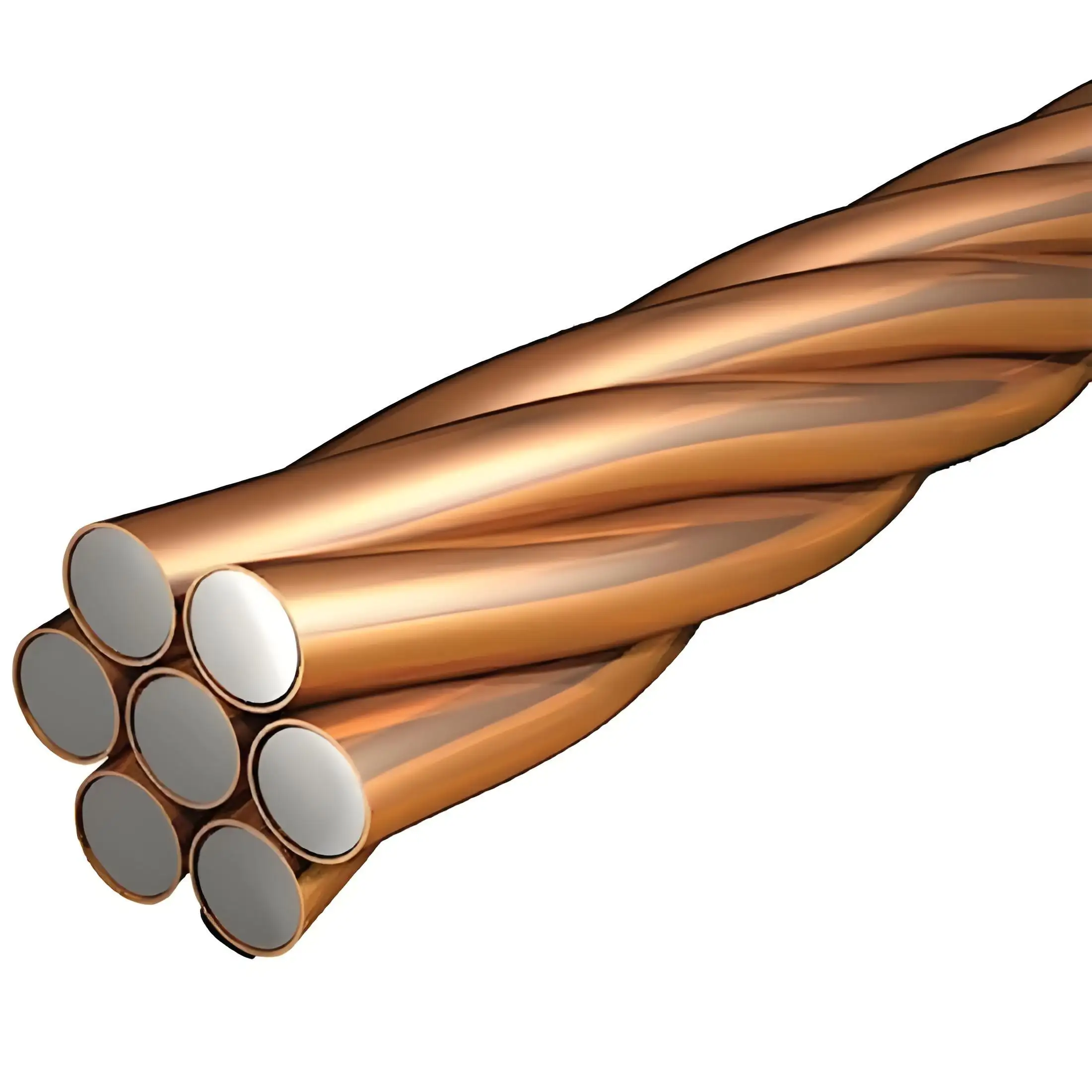
- Introduction to 12 AWG Bare Copper Wire
12 AWG bare copper wire is a popular choice for electrical applications due to its numerous benefits and versatile uses. This type of wire is widely used in residential, commercial, and industrial settings for various electrical projects. In this article, we will delve into the features, advantages, and applications of 12 AWG bare copper wire, as well as its importance in the electrical industry.
12 AWG bare copper wire is a type of electrical conductor that is made of solid copper without any insulation or coating. The American Wire Gauge (AWG) system is used to measure the diameter of the wire, with a lower AWG number indicating a thicker wire. In the case of 12 AWG wire, it has a diameter of 2.05 mm, making it suitable for medium to heavy-duty electrical applications.
One of the key advantages of 12 AWG bare copper wire is its high conductivity. Copper is known for its excellent electrical conductivity, making it an ideal material for transmitting electricity with minimal resistance. As a result, 12 AWG bare copper wire is capable of carrying high current loads without overheating, which is crucial for ensuring the safety and efficiency of electrical systems.
In addition to its high conductivity, 12 AWG bare copper wire offers excellent durability and corrosion resistance. Unlike other metals, copper does not easily deteriorate when exposed to moisture or environmental elements, making it suitable for both indoor and outdoor applications. This durability also extends to its mechanical strength, allowing the wire to withstand bending, twisting, and other forms of physical stress.
Furthermore, 12 AWG bare copper wire is easy to work with and install, making it a preferred choice for electricians and DIY enthusiasts. Its malleability and flexibility enable it to be easily shaped and routed through conduits, junction boxes, and other electrical components. This ease of handling helps to streamline the installation process and reduce the overall labor costs associated with electrical projects.
The applications of 12 AWG bare copper wire are diverse and extensive. It is commonly used for wiring in residential buildings, including outlets, switches, and lighting fixtures. In commercial and industrial settings, 12 AWG bare copper wire is utilized for powering machinery, equipment, and electrical devices. It is also used in telecommunications, data networking, and audio-visual systems due to its reliable signal transmission capabilities.
In summary, 12 AWG bare copper wire offers a myriad of benefits for electrical applications, including high conductivity, durability, ease of installation, and versatile uses. Its importance in the electrical industry cannot be overstated, as it plays a crucial role in powering homes, businesses, and infrastructure. Whether you are a professional electrician or a DIY enthusiast, 12 AWG bare copper wire is a smart choice for your next electrical project.
- Advantages of Bare Copper Wire over Insulated Wire
When it comes to electrical wire, there are a variety of options to choose from. 12 AWG bare copper wire is a popular choice for many electrical applications, and for good reason. In this article, we will explore the advantages of using bare copper wire over insulated wire.
First and foremost, 12 AWG bare copper wire offers a higher conductivity compared to insulated wire. Copper is known for its excellent conductivity, making it an ideal material for electrical wiring. When compared to insulated wire, bare copper wire allows for better flow of electrical current, ultimately leading to more efficient electrical systems. This increased conductivity also means that less power is lost as heat, resulting in lower energy costs.
In addition to its superior conductivity, 12 AWG bare copper wire is also highly durable. Copper is a sturdy metal that is resistant to corrosion, making it a reliable choice for electrical wiring. Unlike insulated wire, bare copper wire is not susceptible to damage from exposure to the elements, making it suitable for use in outdoor applications. Its durability also means that 12 AWG bare copper wire has a longer lifespan, reducing the need for frequent maintenance and replacement.
Furthermore, bare copper wire is more flexible than insulated wire, making it easier to work with during installation. Its flexibility allows for easier bending and shaping, making it an ideal choice for applications that require maneuvering through tight spaces or around obstacles. This flexibility also reduces the risk of damage to the wire during installation, ensuring a reliable and secure electrical connection.
Another advantage of using 12 AWG bare copper wire is its cost-effectiveness. While insulated wire may be initially cheaper, the long-term benefits of using bare copper wire outweigh the upfront cost. Its higher conductivity and durability mean that it will require less maintenance and replacement, ultimately saving money in the long run. Additionally, bare copper wire is also more environmentally friendly, as it is fully recyclable and does not require the use of plastics or other non-biodegradable materials for insulation.
In conclusion, 12 AWG bare copper wire offers a multitude of advantages over insulated wire. Its superior conductivity, durability, flexibility, and cost-effectiveness make it a reliable choice for a wide range of electrical applications. Whether for residential, commercial, or industrial use, bare copper wire is a dependable and efficient option for powering electrical systems. Consider using 12 AWG bare copper wire for your next electrical project, and experience the many benefits it has to offer.
- Uses of 12 AWG Bare Copper Wire in Electrical Applications
12 AWG bare copper wire is a versatile and essential component in various electrical applications. Its wide range of uses makes it an indispensable material for electricians and electrical engineers. This article will explore the benefits of using 12 AWG bare copper wire in electrical applications, and how it is used in a variety of scenarios.
One of the primary benefits of using 12 AWG bare copper wire is its versatility. This type of wire is suitable for both residential and commercial electrical applications. It can be used in indoor and outdoor settings, and is able to withstand a wide range of temperatures and environmental conditions. This makes it a reliable choice for a multitude of electrical projects.
In addition to its versatility, 12 AWG bare copper wire is highly conductive. Copper is one of the most conductive materials available, and using bare copper wire ensures maximum conductivity in electrical systems. This means that 12 AWG bare copper wire can efficiently transmit electricity with minimal loss, making it an efficient and reliable choice for electrical applications.
Furthermore, 12 AWG bare copper wire is durable and long-lasting. Copper is a resilient material that is resistant to corrosion and degradation. This means that 12 AWG bare copper wire can be used in applications where it may be exposed to harsh conditions, such as outdoor wiring or in environments with high moisture levels. Its durability ensures that it will provide a stable and consistent electrical connection for an extended period of time.
12 AWG bare copper wire is also easy to work with, making it a preferred choice for electricians and electrical engineers. Its flexibility and malleability allow for easy installation and routing, and it can be easily bent and shaped to fit the specific needs of a project. This ease of use contributes to its widespread popularity in the electrical industry.
In terms of specific applications, 12 AWG bare copper wire is commonly used in wiring for lighting fixtures, outlets, and switches in residential and commercial buildings. It is also used for grounding systems, and in wiring for appliances and equipment. Its versatility and reliability make it an ideal choice for a wide range of electrical needs.
In summary, the benefits of using 12 AWG bare copper wire in electrical applications are clear. Its versatility, conductivity, durability, and ease of use make it an essential material for electricians and electrical engineers. Whether used in residential wiring, commercial installations, or outdoor settings, 12 AWG bare copper wire is a reliable and efficient choice for a wide range of electrical projects.
- Cost-effectiveness and Durability of 12 AWG Bare Copper Wire
When it comes to electrical wiring, choosing the right type of wire is crucial for the safety and efficiency of the system. One popular option that has gained traction in recent years is 12 AWG bare copper wire. This type of wire offers a myriad of benefits that make it a cost-effective and durable choice for various electrical applications.
Cost-Effectiveness
One of the primary advantages of using 12 AWG bare copper wire is its cost-effectiveness. While copper wire may initially seem more expensive than other types of wire, such as aluminum, its long-term cost benefits often outweigh the initial investment. Bare copper wire is known for its high conductivity, which allows it to carry more current with less resistance. This means that it can help reduce energy costs over time, making it a cost-effective choice for both residential and commercial electrical systems.
Additionally, the durability of 12 AWG bare copper wire contributes to its cost-effectiveness. Copper is a highly durable material that is resistant to corrosion and degradation, which means it has a longer lifespan than other types of wire. This can help reduce maintenance and replacement costs, further adding to its cost-effectiveness.
Durability
The durability of 12 AWG bare copper wire is a major selling point for many electrical applications. Copper is known for its strength and resilience, which allows it to withstand harsh environmental conditions, temperature fluctuations, and physical stress. This makes it an ideal choice for outdoor wiring, underground installations, and other demanding electrical environments.
Furthermore, the durability of bare copper wire extends to its ability to handle high temperatures without compromising its integrity. This is particularly important in electrical systems where heat can be a concern, such as industrial settings or installations near heat-generating equipment. The ability of 12 AWG bare copper wire to maintain its performance under high temperatures adds to its overall durability and reliability.
The versatility of 12 AWG bare copper wire also adds to its appeal in various electrical applications. It can be used in both residential and commercial settings, as well as in industrial and utility applications. Its ability to handle high current loads and its resistance to mechanical stress make it suitable for a wide range of electrical wiring needs.
In conclusion, 12 AWG bare copper wire offers a range of benefits that make it a cost-effective and durable choice for electrical applications. Its high conductivity, durability, and versatility make it a preferred option for various wiring needs. Whether for residential, commercial, or industrial use, 12 AWG bare copper wire provides a reliable and long-lasting solution for all types of electrical installations.
- Safety and Efficiency of 12 AWG Bare Copper Wire in Electrical Systems
When it comes to electrical systems, safety and efficiency are of the utmost importance. One crucial component of any electrical system is the wiring, and choosing the right type of wire can make a significant difference in the overall performance and safety of the system. In this article, we will explore the benefits of using 12 AWG bare copper wire for electrical applications, with a focus on its safety and efficiency.
First, let's take a closer look at what exactly 12 AWG bare copper wire is. The term "12 AWG" refers to the American Wire Gauge, which is a standard measurement used to denote the diameter of the wire. In this case, 12 AWG indicates that the wire has a diameter of 0.0808 inches. The term "bare copper" means that the wire is made of pure copper without any insulation or coating. This type of wire is commonly used in electrical applications due to its excellent conductivity and durability.
One of the key benefits of using 12 AWG bare copper wire is its high level of conductivity. Copper is known for its superior conductivity compared to other metals, making it an ideal material for electrical wiring. When electricity flows through a conductor, such as copper wire, it encounters resistance, which can lead to energy loss in the form of heat. However, copper's high conductivity minimizes this resistance, allowing for efficient energy transmission and reducing the risk of overheating.
In addition to its conductivity, 12 AWG bare copper wire is also highly durable. Copper is a malleable metal that can withstand bending and shaping without breaking, making it a reliable choice for wiring in various electrical systems. Furthermore, the lack of insulation or coating on bare copper wire means that it is less prone to damage from exposure to heat or chemicals, further enhancing its durability.
When it comes to safety, 12 AWG bare copper wire offers several advantages. Its high conductivity and durability contribute to a lower risk of electrical fires and malfunctions. Additionally, the absence of insulation reduces the risk of insulation breakdown or melting, which can lead to electrical hazards. This makes 12 AWG bare copper wire a reliable and safe choice for electrical applications, particularly in high-temperature environments or those where exposure to chemicals is a concern.
In conclusion, the use of 12 AWG bare copper wire in electrical systems offers significant safety and efficiency benefits. Its high conductivity, durability, and safety make it a reliable choice for a wide range of applications, from residential wiring to industrial installations. By choosing 12 AWG bare copper wire, individuals and businesses can ensure the reliable and safe operation of their electrical systems.
Conclusion
In conclusion, the benefits of using 12 AWG bare copper wire for electrical applications are clear. From its superior conductivity and resistance to corrosion, to its flexibility and durability, this type of wire is an excellent choice for a wide range of electrical projects. Whether you are working on a residential wiring job or a large-scale industrial project, 12 AWG bare copper wire is sure to meet your needs and exceed your expectations. So, next time you are in need of electrical wiring, consider the many benefits that come with using 12 AWG bare copper wire.
Table of Contents
GET IN TOUCH WITH Us
Ready to work with us?

Find us here:
The cable factory from 2007-2018 are mainly for domestic trading and processing to some export tradingcompanies. The average sales amount are about RMB 320,000,000 per year. For cables oversea market, From last may till now we have expanded our market to Bolivia, Peru, Dominican, Philippines, Vietnam, Thailand, Iraq, Mongolia, Indonesia and some Africa country.
Copyright © 2026 KINGYEAR |Sitemap丨Privacy Polcy