


Please fill out the form below to request a quote or to request more information about us. please be as detailed as possible in your message, and we will get back to you as soon as possible with a response. we're ready to start working on your new project, contact us now to get started.
The Benefits Of Using 6 AWG Solid Bare Copper Wire In Electrical Installations
2026-06-12
KINGYEAR
19
Are you looking to upgrade your electrical installations? Look no further! Discover the numerous benefits of using 6 AWG Solid Bare Copper Wire and how it can revolutionize your electrical setup. From improved conductivity to enhanced safety, this article delves into the advantages of this high-quality wire and why it should be your top choice for your electrical needs. Read on to learn more about how this wire can elevate your electrical installations to the next level.
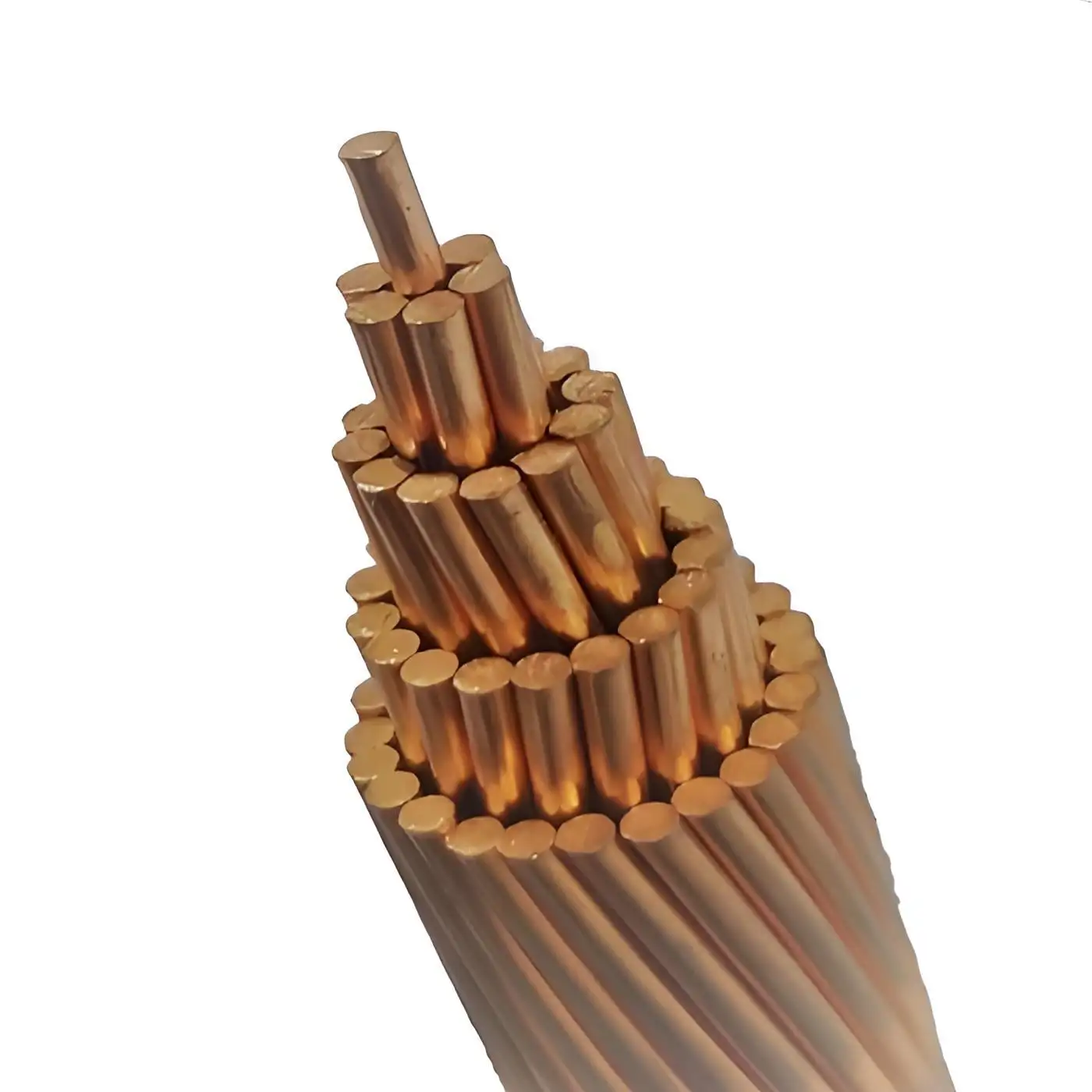
- The Importance of Choosing the Right Wire Gauge for Electrical Installations
When it comes to electrical installations, choosing the right wire gauge is crucial for ensuring the safety and efficiency of the system. The wire gauge refers to the diameter of the wire and is typically measured in American Wire Gauge (AWG) units. In this article, we will delve into the importance of selecting the right wire gauge for electrical installations, with a focus on the benefits of using 6 AWG solid bare copper wire.
First and foremost, it is essential to understand the significance of wire gauge in electrical applications. The wire gauge directly impacts the amount of electrical current that can safely pass through the wire without overheating. Using a wire with a gauge that is too small for the intended application can result in overheating and potential fire hazards. On the other hand, using a wire with a larger gauge than necessary can lead to unnecessary expenses and inefficiencies.
6 AWG solid bare copper wire has gained popularity in electrical installations due to its numerous benefits. Solid bare copper wire is known for its excellent conductivity and resistance to corrosion, making it a reliable choice for various electrical applications. The 6 AWG gauge indicates that the diameter of the wire is relatively large, allowing it to handle higher currents while minimizing voltage drops. This makes it suitable for heavy-duty electrical installations that require a robust and efficient wiring solution.
One of the key advantages of using 6 AWG solid bare copper wire is its ability to minimize voltage drops over long distances. Voltage drop occurs when the electrical resistance of the wire causes a decrease in voltage as the current travels through the wire. By using a larger gauge wire such as 6 AWG, the electrical resistance is reduced, resulting in lower voltage drops and more consistent power delivery. This is particularly important in commercial and industrial settings where long wire runs are common.
Furthermore, 6 AWG solid bare copper wire offers enhanced durability and longevity compared to other wire materials. Copper is known for its high tensile strength and resistance to environmental factors such as moisture and heat. The solid bare construction eliminates the risk of strand breakage and makes the wire less susceptible to damage during installation and maintenance. As a result, 6 AWG solid bare copper wire ensures a reliable and long-lasting electrical wiring solution for various applications.
In addition to its technical advantages, the use of 6 AWG solid bare copper wire aligns with sustainability and environmental considerations. Copper is a highly recyclable material, and using it in electrical installations promotes resource conservation and reduces the environmental impact associated with wire production and disposal. As the demand for environmentally conscious practices continues to grow, the choice of 6 AWG solid bare copper wire reflects a commitment to sustainable and responsible electrical solutions.
In conclusion, selecting the right wire gauge for electrical installations is of utmost importance for ensuring safety, efficiency, and reliability. The use of 6 AWG solid bare copper wire offers a multitude of benefits, including superior conductivity, minimized voltage drops, durability, and environmental sustainability. By understanding the significance of wire gauge and choosing a high-quality solution such as 6 AWG solid bare copper wire, electrical systems can be optimized for optimal performance and safety.
- Advantages of Using Solid Bare Copper Wire in Electrical Wiring
When it comes to electrical installations, using the right type of wiring is crucial to ensuring safety and efficiency. One of the most popular options in the market is 6 AWG solid bare copper wire. In this article, we will delve deeper into the advantages of using this type of wire in electrical wiring.
First and foremost, let's discuss the significance of the "6 AWG" specification. The American Wire Gauge (AWG) system is used to standardize the sizes of electrical wires, with a lower AWG number indicating a larger wire diameter. In the case of 6 AWG wire, it has a diameter of approximately 0.162 inches, making it suitable for a variety of electrical applications. Its larger size allows for greater current-carrying capacity, which is particularly beneficial for heavy-duty electrical installations.
The use of solid bare copper wire also offers several advantages. Unlike stranded wire, which is made up of multiple smaller wires twisted together, solid copper wire is a single, solid conductor. This results in lower resistance and better conductivity, ultimately reducing the amount of power loss and heat generated during electrical transmission. As a result, solid copper wire is more efficient and reliable, making it a preferred choice for residential, commercial, and industrial wiring.
Another advantage of solid bare copper wire is its durability. Copper is known for its exceptional corrosion resistance, making it suitable for use in a variety of environments. Furthermore, the absence of insulation in bare copper wire reduces the risk of insulation degradation over time, ensuring long-term reliability and performance. This is particularly important in applications where the wire is exposed to outdoor elements or harsh conditions.
In addition to its electrical properties, solid bare copper wire is also relatively easy to work with. Its solid construction prevents the 'strand breakage' that can occur with stranded wire, making it less prone to damage during installation. This can result in time and cost savings, as well as a more resilient electrical system overall.
Furthermore, solid bare copper wire is inherently compliant with a wide range of building codes and standards. Its use is approved by organizations such as the National Electrical Code (NEC) and the Canadian Electrical Code (CEC), ensuring that installations using this type of wire adhere to industry best practices and regulations.
In conclusion, the benefits of using 6 AWG solid bare copper wire in electrical installations are numerous. From its superior conductivity and durability to its ease of use and compliance with industry standards, solid copper wire offers a compelling solution for a wide range of electrical wiring needs. Whether it's for residential, commercial, or industrial applications, choosing solid bare copper wire can result in a safer, more efficient, and longer-lasting electrical system.
- Understanding the Durability and Reliability of 6 AWG Solid Bare Copper Wire
6 AWG Solid Bare Copper Wire is a popular choice for electrical installations due to its durability and reliability. This type of wire is commonly used in residential, commercial, and industrial applications, and for good reason. It offers a number of benefits that make it a superior choice over other types of wiring.
One of the key advantages of using 6 AWG Solid Bare Copper Wire is its durability. Copper is a highly durable and long-lasting material, making it ideal for use in electrical wiring. When properly installed and maintained, 6 AWG Solid Bare Copper Wire can last for decades without needing to be replaced. This durability makes it a cost-effective option for both short-term and long-term electrical needs.
Reliability is another important aspect of 6 AWG Solid Bare Copper Wire. This type of wire is known for its excellent conductivity, which allows electricity to flow smoothly and efficiently. This reliability is crucial in electrical installations, where consistent performance is essential for the safety and functionality of the system. 6 AWG Solid Bare Copper Wire can be relied upon to provide a consistent and steady flow of electricity, making it a trusted choice for a wide range of applications.
In addition to its durability and reliability, 6 AWG Solid Bare Copper Wire also offers a number of practical benefits. For example, it is highly resistant to corrosion, making it suitable for use in both indoor and outdoor environments. This corrosion resistance ensures that the wire will maintain its performance even in harsh conditions, such as high humidity or exposure to chemicals. Additionally, the solid bare copper construction of the wire makes it easy to work with and install, saving time and effort during the installation process.
When considering the benefits of using 6 AWG Solid Bare Copper Wire, it is important to also consider the environmental impact. Copper is a sustainable material that can be recycled and reused, reducing the environmental impact of electrical installations. This makes 6 AWG Solid Bare Copper Wire a responsible choice for those who are looking to minimize their carbon footprint and make environmentally friendly decisions.
In conclusion, 6 AWG Solid Bare Copper Wire offers a range of benefits that make it an ideal choice for electrical installations. Its durability, reliability, practicality, and environmental sustainability make it a superior option for a wide range of applications. Whether used in residential, commercial, or industrial settings, 6 AWG Solid Bare Copper Wire provides the performance and peace of mind that are essential for successful electrical installations.
- How 6 AWG Solid Bare Copper Wire Improves Electrical Conduction
When it comes to electrical installations, using the right materials is crucial for ensuring safety and efficiency. One of the key components of any electrical system is the wiring, and choosing the right type of wire can have a significant impact on the overall performance of the system. In recent years, there has been a growing trend towards the use of 6 AWG solid bare copper wire in electrical installations, and for good reason. This type of wire offers a number of benefits that can improve electrical conduction and overall system performance.
6 AWG solid bare copper wire is a type of electrical wire that is made from solid copper, without any additional insulation or coating. This type of wire is known for its excellent conductivity, which allows for the efficient flow of electricity through the system. Compared to other types of wire, such as aluminum or stranded copper wire, solid bare copper wire offers lower resistance, meaning that it can carry higher levels of electrical current without experiencing significant voltage drops. This is particularly important in high-power electrical installations, where maintaining a consistent voltage level is critical for the proper functioning of equipment and appliances.
In addition to its superior conductivity, 6 AWG solid bare copper wire also offers excellent resistance to corrosion. Copper is naturally resistant to rust and other forms of corrosion, making it an ideal choice for use in electrical installations, particularly in outdoor or damp environments. This resistance to corrosion ensures that the wire will maintain its performance and reliability over time, even in harsh conditions.
Another advantage of 6 AWG solid bare copper wire is its durability. Solid copper wire is less prone to damage from bending or flexing than stranded wire, making it a more reliable choice for long-term use. This can be particularly important in industrial or commercial settings where the wiring may be subject to frequent movement or vibration. The solid construction of the wire also makes it less susceptible to damage from pests or rodents, which can be a common issue in some installations.
The use of 6 AWG solid bare copper wire can also have environmental benefits. Copper is a highly recyclable material, and using solid copper wire in electrical installations can contribute to the overall sustainability of the system. Additionally, the longevity of solid copper wire means that it will require less frequent replacement, reducing the overall environmental impact of the electrical system.
In conclusion, 6 AWG solid bare copper wire offers a number of benefits that can improve electrical conduction and overall system performance. Its superior conductivity, resistance to corrosion, durability, and environmental benefits make it an ideal choice for a wide range of electrical installations. By choosing 6 AWG solid bare copper wire, installers can ensure that their electrical systems are safe, efficient, and reliable for years to come.
- The Long-Term Cost-Effectiveness of Using 6 AWG Solid Bare Copper Wire in Electrical Installations
When it comes to electrical installations, the type of wire used can have a significant impact on the performance and longevity of the system. One option that has been gaining traction in the industry is 6 AWG solid bare copper wire. This article will explore the long-term cost-effectiveness of using this type of wire in electrical installations, and the many benefits it can provide.
6 AWG solid bare copper wire is a heavy-duty, durable option for electrical wiring. It is made of solid copper, which is known for its excellent conductivity and corrosion resistance. This type of wire is often used in high-voltage electrical systems, such as industrial machinery, large appliances, and commercial buildings. Its solid construction makes it ideal for applications where flexibility is not a priority, and where the wire will be exposed to harsh environmental conditions.
One of the key benefits of using 6 AWG solid bare copper wire is its long-term cost-effectiveness. While it may have a higher upfront cost compared to other types of wiring, such as aluminum or copper-clad aluminum, its durability and low maintenance requirements can result in significant savings over time. Copper is known for its longevity, and when properly installed, 6 AWG solid bare copper wire can last for decades without needing to be replaced. This can result in lower maintenance costs and fewer disruptions to the electrical system over the long term.
In addition to its durability, 6 AWG solid bare copper wire offers exceptional performance in electrical installations. Its high conductivity allows for efficient transmission of electricity, which can result in lower energy costs and improved overall system performance. Its corrosion resistance also makes it ideal for use in outdoor or industrial settings, where exposure to moisture and other environmental hazards is a concern.
Furthermore, 6 AWG solid bare copper wire is easy to work with during installation. Its solid construction allows for easy termination and connection to electrical devices and terminals. This can result in faster and more efficient installation, saving time and labor costs during the electrical wiring process.
Another important aspect to consider is the environmental impact of using 6 AWG solid bare copper wire. Copper is a highly recyclable material, and using it in electrical installations can contribute to a more sustainable and environmentally friendly approach to construction and infrastructure. By choosing a long-lasting and recyclable material, companies and individuals can reduce their carbon footprint and contribute to conservation efforts.
In conclusion, the use of 6 AWG solid bare copper wire in electrical installations offers numerous benefits, including long-term cost-effectiveness, exceptional performance, ease of installation, and environmental sustainability. While it may have a higher upfront cost, the durability and reliability of this type of wire can result in significant savings and improved overall system performance over time. By considering the long-term benefits of 6 AWG solid bare copper wire, individuals and organizations can make informed decisions about their electrical wiring needs and prioritize quality and reliability in their installations.
Conclusion
In conclusion, the benefits of using 6 AWG solid bare copper wire in electrical installations are numerous. Not only does it provide excellent conductivity and durability, but it also offers a higher ampacity and resistance to corrosion. This makes it an ideal choice for a wide range of electrical applications, from residential to commercial and industrial settings. Its versatility and reliability make it a top choice for many electricians and contractors. By choosing 6 AWG solid bare copper wire, you can ensure a safe and efficient electrical system for years to come. So, whether you are looking to upgrade your existing electrical wiring or planning a new installation, consider the many advantages that this type of wire has to offer.
Table of Contents
GET IN TOUCH WITH Us
Ready to work with us?

Find us here:
The cable factory from 2007-2018 are mainly for domestic trading and processing to some export tradingcompanies. The average sales amount are about RMB 320,000,000 per year. For cables oversea market, From last may till now we have expanded our market to Bolivia, Peru, Dominican, Philippines, Vietnam, Thailand, Iraq, Mongolia, Indonesia and some Africa country.
Copyright © 2026 KINGYEAR |Sitemap丨Privacy Polcy