


Please fill out the form below to request a quote or to request more information about us. please be as detailed as possible in your message, and we will get back to you as soon as possible with a response. we're ready to start working on your new project, contact us now to get started.
The Benefits Of Using AAAC Cable In Electrical Applications
2026-06-09
KINGYEAR
21
Are you looking for a reliable and efficient solution for your electrical applications? Look no further than AAAC cable! In this article, we will explore the numerous benefits of using AAAC cable in electrical applications and why it is a superior choice for your projects. From its durability to its high conductivity, AAAC cable offers a wide range of advantages that make it an ideal option for various electrical needs. Read on to discover how AAAC cable can elevate your electrical applications and ensure optimal performance.
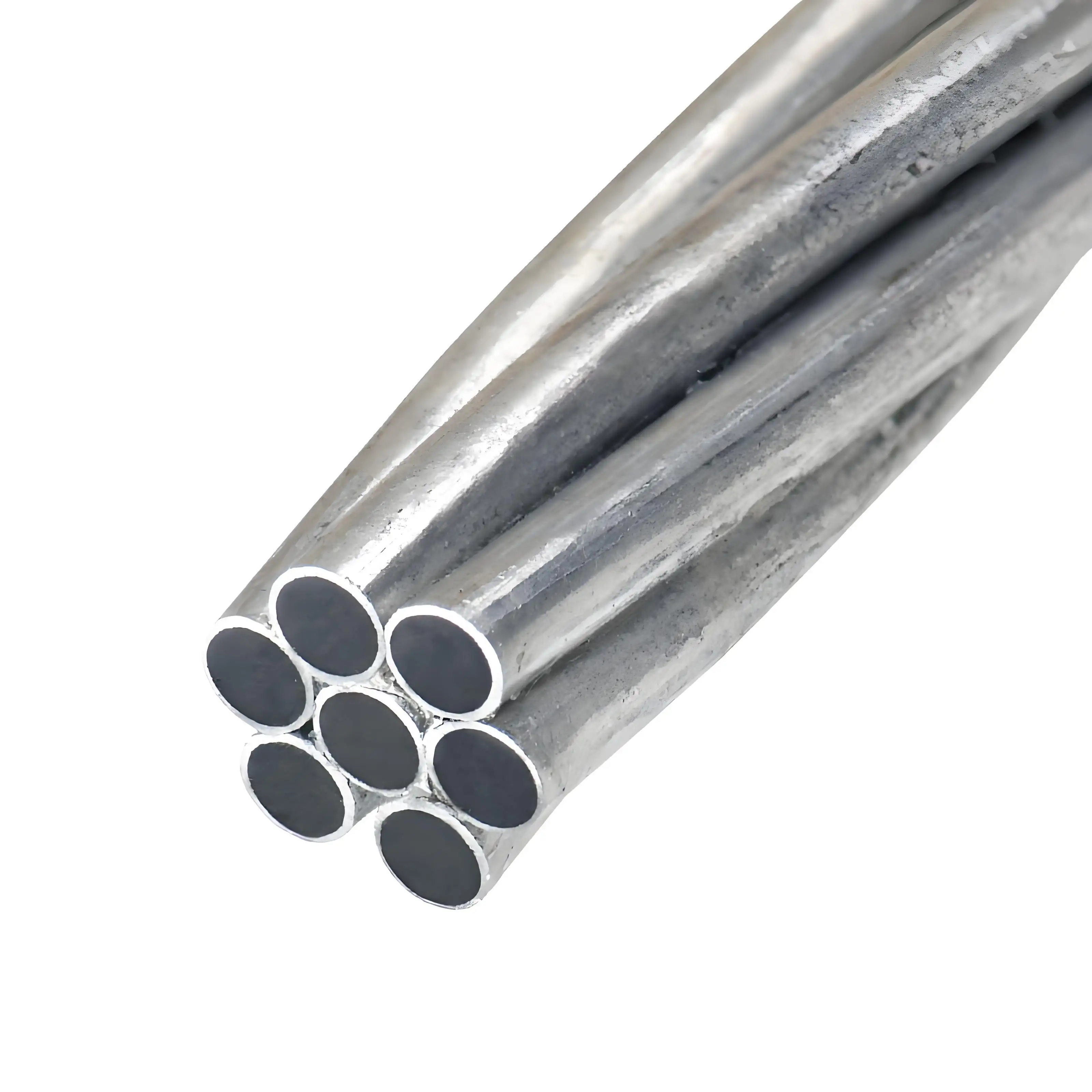
- Introduction to AAAC Cable
to AAAC Cable
When it comes to electrical applications, choosing the right cable is crucial for ensuring safety, reliability, and efficiency. One type of cable that has garnered attention in recent years is AAAC cable, which stands for All Aluminum Alloy Conductor. This cable is a popular choice for a wide range of electrical applications due to its numerous benefits and advantages. In this article, we will provide a comprehensive introduction to AAAC cable, exploring its characteristics, applications, and benefits.
Characteristics of AAAC Cable
AAAC cable is known for its unique construction, which consists of aluminum alloy strands. These strands are helically wound around a central core, resulting in a high-strength, lightweight, and durable cable. The use of aluminum alloy in the conductor provides several advantages, including excellent conductivity, corrosion resistance, and mechanical strength. Additionally, the flexible construction of AAAC cable allows for easy installation and handling, making it a preferred choice for various electrical projects.
Applications of AAAC Cable
Due to its exceptional characteristics, AAAC cable is widely utilized in a variety of electrical applications. This cable is commonly used in overhead transmission and distribution lines, where it provides reliable power transmission over long distances. Its high conductivity and corrosion resistance make it suitable for outdoor and coastal environments, as well as areas with high levels of air pollution. In addition to overhead lines, AAAC cable is also used in industrial, commercial, and residential projects, where it serves as a cost-effective and efficient solution for power distribution.
Benefits of AAAC Cable
The use of AAAC cable offers numerous benefits in electrical applications. One of the primary advantages of this cable is its high conductivity, which allows for efficient power transmission with minimal energy loss. This results in lower operating costs and improved energy efficiency, making AAAC cable a sustainable choice for electrical projects. Furthermore, the corrosion resistance of AAAC cable ensures long-term reliability and minimal maintenance requirements, reducing the overall lifecycle costs for users.
In addition to its performance benefits, AAAC cable provides environmental advantages as well. The use of aluminum alloy in the conductor reduces the overall weight of the cable, resulting in lower transportation costs and reduced environmental impact. Furthermore, the recyclability of aluminum makes AAAC cable a sustainable choice, aligning with the growing focus on eco-friendly and sustainable solutions in the electrical industry.
In conclusion, AAAC cable offers a range of benefits that make it a preferred choice for electrical applications. From its high conductivity and corrosion resistance to its lightweight construction and environmental advantages, AAAC cable provides a reliable and efficient solution for power transmission and distribution. As the demand for sustainable and cost-effective electrical solutions continues to grow, the use of AAAC cable is expected to become increasingly prevalent in a wide range of applications. Whether it’s for overhead lines, industrial projects, or residential installations, AAAC cable provides the performance and reliability needed to support the evolving needs of the electrical industry.
- Advantages of AAAC Cable in Electrical Applications
AAAC (All Aluminum Alloy Conductor) cable is becoming increasingly popular in electrical applications due to the numerous advantages it offers. In this article, we will explore the various benefits of using AAAC cable in electrical applications, including its high strength, lightweight design, and corrosion resistance.
One of the key advantages of AAAC cable is its high strength-to-weight ratio. The use of high-strength aluminum alloy conductors in AAAC cable allows for a significant reduction in weight compared to traditional steel-reinforced cables. This lightweight design not only makes installation easier and more cost-effective but also reduces the strain on supporting structures and equipment. Additionally, the high strength of AAAC cable ensures reliability and long-term performance in electrical applications.
Another notable advantage of AAAC cable is its excellent corrosion resistance. The use of aluminum alloy conductors in AAAC cable makes it highly resistant to corrosion, even in harsh environmental conditions. This is particularly beneficial for electrical installations in coastal or industrial areas where exposure to moisture and corrosive elements is a concern. The corrosion resistance of AAAC cable helps to prolong its service life and minimize maintenance requirements, making it a cost-effective choice for a wide range of electrical applications.
In addition to its high strength and corrosion resistance, AAAC cable offers excellent conductivity and thermal stability. The aluminum alloy conductors used in AAAC cable provide superior electrical conductivity, allowing for efficient power transmission with minimal energy loss. Furthermore, the thermal stability of AAAC cable ensures reliable performance in both high and low-temperature environments, making it a versatile choice for various electrical applications.
Furthermore, AAAC cable is also known for its flexibility and ease of installation. The lightweight and flexible design of AAAC cable allows for easy handling and installation, reducing labor costs and installation time. This flexibility also enables AAAC cable to be used in a wide range of applications, from overhead power transmission and distribution to industrial and commercial electrical systems.
It is worth noting that the use of AAAC cable in electrical applications is also environmentally friendly. The aluminum alloy conductors used in AAAC cable are fully recyclable, making it a sustainable choice for electrical installations. By choosing AAAC cable, companies and organizations can demonstrate their commitment to environmental stewardship while also benefiting from the numerous advantages of this innovative cable technology.
In conclusion, the numerous advantages of AAAC cable make it an ideal choice for a wide range of electrical applications. From its high strength and corrosion resistance to its excellent conductivity and flexibility, AAAC cable offers numerous benefits that make it a cost-effective and reliable solution for modern electrical installations. As the demand for efficient and sustainable electrical infrastructure continues to grow, AAAC cable is poised to play a key role in shaping the future of the electrical industry.
- Cost-Effectiveness of AAAC Cable
AAAC cable, which stands for All Aluminum Alloy Conductor, is an increasingly popular choice for electrical applications due to its cost-effectiveness. This type of cable offers numerous benefits and advantages that make it a top choice for various electrical projects.
One of the primary reasons why AAAC cable is so cost-effective is because of its lightweight nature. The use of aluminum alloy in the construction of the conductor results in a cable that is significantly lighter than traditional steel-core conductors. This not only makes it easier to transport and install, but also reduces the overall cost of the project. In addition, the lighter weight of AAAC cable means that it requires less support structures and hardware, further reducing the overall cost of the electrical project.
Furthermore, the use of aluminum alloy in AAAC cable construction also leads to cost savings due to its excellent conductivity. Aluminum has a higher electrical conductivity compared to traditional steel, which means that less of it is needed to achieve the same level of electrical performance. The reduced amount of material required translates to lower material costs, making AAAC cable a cost-effective choice for electrical applications.
Another aspect of cost-effectiveness when it comes to AAAC cable is its durability and longevity. The aluminum alloy construction of the conductor provides excellent resistance to corrosion and other environmental factors, ensuring that the cable can withstand harsh conditions without deteriorating. This longevity means that AAAC cable requires less frequent maintenance and replacement, resulting in long-term cost savings for the user.
In addition to its cost-effectiveness, AAAC cable also offers other benefits that make it an attractive choice for electrical applications. For example, its lightweight construction and excellent conductivity make it an ideal choice for overhead transmission and distribution lines. The reduced weight of the cable means that it puts less strain on support structures, while its high conductivity ensures efficient and reliable electrical performance.
Furthermore, the durability of AAAC cable means that it is well-suited for use in a variety of environmental conditions, including areas with high levels of moisture or corrosive elements. This makes it a versatile and reliable option for electrical projects in different locations and settings.
Overall, the cost-effectiveness of AAAC cable makes it a highly desirable choice for electrical applications. Its lightweight construction, excellent conductivity, and durability all contribute to its ability to provide long-term cost savings for users. When considering the various benefits of AAAC cable, it becomes clear why it is a top choice for electrical projects. Whether for overhead transmission and distribution lines or other electrical applications, the cost-effectiveness of AAAC cable makes it a smart investment for any project.
- Durability and Longevity of AAAC Cable
AAAC cable, also known as All Aluminum Alloy Conductor cable, is widely used in electrical applications due to its numerous benefits, including durability and longevity. In this article, we will explore the reasons why AAAC cable is the preferred choice for many electrical applications.
One of the key benefits of AAAC cable is its durability. Unlike traditional aluminum conductors, AAAC cable is made from a high-strength aluminum alloy that provides excellent resistance to corrosion and mechanical damage. This makes it ideal for use in harsh environments where traditional cables may deteriorate over time. Whether it's exposure to extreme weather conditions or chemical exposure, AAAC cable is designed to withstand the elements and maintain its integrity, making it a reliable choice for long-term use.
In addition to its durability, AAAC cable also offers longevity. The high-strength aluminum alloy used in its construction ensures that the cable has a longer service life compared to traditional aluminum conductors. This means that once installed, AAAC cable can be relied upon to provide continuous and reliable electrical conductivity for an extended period of time, reducing the need for frequent maintenance and replacement. This makes it a cost-effective choice for electrical infrastructure, as it minimizes downtime and maintenance costs over its lifecycle.
Furthermore, AAAC cable is known for its high electrical conductivity. The aluminum alloy used in its construction has excellent electrical properties, allowing for efficient transmission of electricity with minimal power loss. This makes AAAC cable an energy-efficient choice for electrical applications, helping to reduce overall energy consumption and costs. Its high electrical conductivity also allows for the efficient distribution of power over long distances, making it suitable for large-scale electrical projects.
Another advantage of using AAAC cable is its light weight. Despite its high strength and durability, AAAC cable is significantly lighter than traditional steel conductors, making it easier to handle and install. This can lead to reduced labor costs and faster installation times, making it a practical choice for electrical projects with tight deadlines or budget constraints.
In conclusion, the benefits of using AAAC cable in electrical applications are clear. Its durability, longevity, high electrical conductivity, and light weight make it a superior choice over traditional aluminum conductors. With its ability to withstand harsh environments, provide reliable electrical conductivity, and offer energy-efficient transmission, AAAC cable is the preferred choice for a wide range of electrical projects. Whether it's for overhead power transmission, distribution lines, or industrial applications, AAAC cable continues to be the go-to solution for reliable and long-lasting electrical infrastructure.
- Applications and Considerations for Using AAAC Cable
AAAC cable, which stands for All Aluminum Alloy Conductor, is a type of electrical cable that is gaining popularity for its various applications and benefits. In this article, we will explore the applications and considerations for using AAAC cable in electrical systems.
One of the key applications for AAAC cable is in overhead power transmission lines. The high strength-to-weight ratio of AAAC cable makes it an ideal choice for spanning long distances and carrying heavy electrical loads. The alloy composition of AAAC cable also provides excellent corrosion resistance, making it suitable for use in coastal or industrial environments where traditional aluminum conductors may be susceptible to degradation.
Another important application for AAAC cable is in distribution and substation projects. The high conductivity of AAAC cable allows for efficient power distribution, while its lightweight design and ease of installation make it a cost-effective solution for expanding or upgrading electrical infrastructure. In addition, the superior thermal stability of AAAC cable ensures that it can handle the demands of high-temperature environments without sacrificing performance or durability.
When considering the use of AAAC cable in electrical applications, there are several important factors to take into account. The first consideration is the specific requirements of the project, including the anticipated electrical loads, environmental conditions, and installation constraints. By understanding these factors, engineers and designers can select the appropriate AAAC cable size and configuration to ensure optimal performance and longevity.
In addition, it is essential to consider the mechanical and electrical properties of AAAC cable, such as its tensile strength, temperature rating, and voltage capacity. By evaluating these characteristics, electrical professionals can ensure that the selected AAAC cable meets or exceeds the necessary standards and regulations for the intended application.
Furthermore, it is important to consider the long-term maintenance and operational requirements of AAAC cable. Unlike traditional aluminum conductors, AAAC cable offers enhanced durability and reliability, reducing the need for frequent inspections and repairs. This can lead to lower life-cycle costs and improved overall system performance, making AAAC cable a smart investment for electrical infrastructure projects.
In conclusion, the benefits of using AAAC cable in electrical applications are numerous, from its high strength-to-weight ratio and corrosion resistance to its superior thermal stability and long-term reliability. By understanding the various applications and considerations for using AAAC cable, electrical professionals can make informed decisions to optimize the performance and efficiency of their electrical systems. As the demand for efficient and reliable power transmission and distribution continues to grow, AAAC cable is poised to play a key role in shaping the future of electrical infrastructure.
Conclusion
In conclusion, the use of AAAC cable in electrical applications offers a wide range of benefits, making it a popular choice for various projects. From its high strength to weight ratio, to its corrosion resistance and durability, AAAC cable provides a reliable and efficient solution for transmitting electricity. Additionally, its flexibility and ease of installation make it a practical option for a variety of applications. Overall, using AAAC cable can lead to cost savings and improved performance, making it a valuable choice for electrical projects. By considering the many advantages of AAAC cable, it’s clear that it is a top contender for any electrical application.
GET IN TOUCH WITH Us
Ready to work with us?

Find us here:
The cable factory from 2007-2018 are mainly for domestic trading and processing to some export tradingcompanies. The average sales amount are about RMB 320,000,000 per year. For cables oversea market, From last may till now we have expanded our market to Bolivia, Peru, Dominican, Philippines, Vietnam, Thailand, Iraq, Mongolia, Indonesia and some Africa country.
Copyright © 2026 KINGYEAR |Sitemap丨Privacy Polcy