


Please fill out the form below to request a quote or to request more information about us. please be as detailed as possible in your message, and we will get back to you as soon as possible with a response. we're ready to start working on your new project, contact us now to get started.
The Benefits Of Using AAAC Wire In Electrical Projects
2026-06-11
KINGYEAR
14
Are you looking for the best wire to use in your next electrical project? Look no further than AAAC wire. This article will explore the numerous benefits of using AAAC wire in electrical projects, from its high conductivity and strength to its resistance to corrosion and durability. If you want to ensure the success and longevity of your electrical installations, read on to discover why AAAC wire is the ideal choice for your next project.
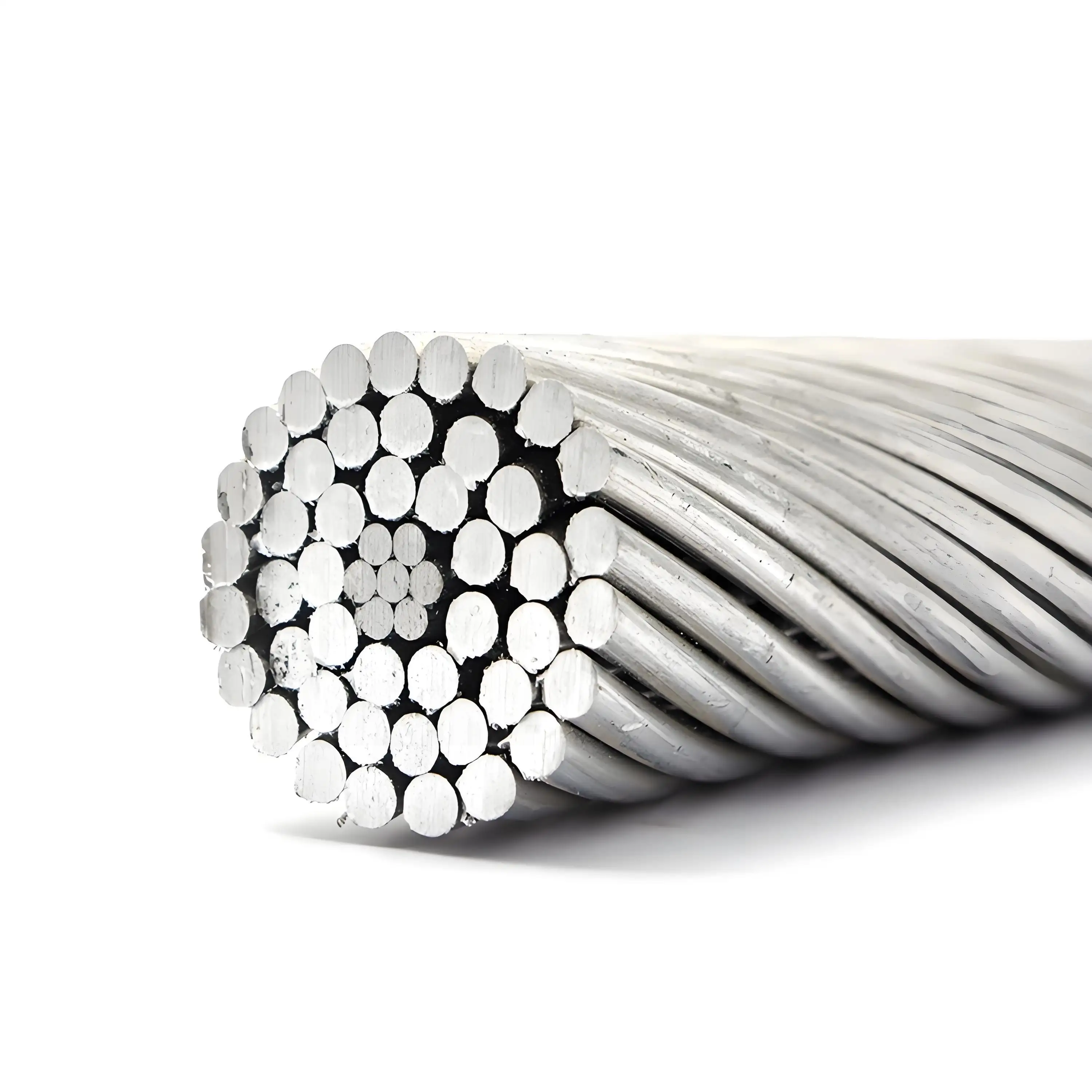
Introduction to AAAC wire and its properties
to AAAC Wire and its Properties
When it comes to electrical projects, one crucial aspect to consider is the type of wire to use. AAAC wire, which stands for All Aluminum Alloy Conductor, is becoming increasingly popular in the industry for its numerous advantages. In this article, we will explore the properties of AAAC wire and why it is a beneficial choice for electrical projects.
AAAC wire is a type of electrical conductor made of aluminum alloy. This alloy is composed of aluminum, as well as other materials such as magnesium, silicon, and iron. This combination of materials gives AAAC wire unique properties that make it an excellent choice for various electrical applications.
One of the key properties of AAAC wire is its high strength-to-weight ratio. This means that AAAC wire is lightweight, yet incredibly strong. This makes it easier to handle and install, while still providing the durability and reliability needed for electrical projects. Additionally, the high strength-to-weight ratio of AAAC wire also allows for longer spans with fewer support structures, reducing installation costs and making it a cost-effective option.
Another important property of AAAC wire is its excellent conductivity. The aluminum alloy used in AAAC wire allows for efficient transmission of electrical currents, making it an ideal choice for electrical projects where conductivity is crucial. This high conductivity helps to minimize power loss and ensures that electricity is transmitted effectively and efficiently.
In addition to its high strength and excellent conductivity, AAAC wire also boasts a high corrosion resistance. The aluminum alloy used in AAAC wire is highly resistant to corrosion, making it suitable for use in a wide range of environments, including coastal and industrial areas where exposure to corrosive elements is a concern. This corrosion resistance helps to prolong the lifespan of AAAC wire and reduces the need for frequent maintenance and replacement.
Furthermore, AAAC wire is known for its flexibility. The composition of the aluminum alloy allows for greater flexibility, making it easier to bend and maneuver during installation. This flexibility is especially beneficial in situations where the wire needs to be routed around obstacles or through tight spaces, allowing for easier and more efficient installation.
In conclusion, AAAC wire offers a range of properties that make it an excellent choice for electrical projects. Its high strength-to-weight ratio, excellent conductivity, corrosion resistance, and flexibility make it a versatile and cost-effective option for a wide range of applications. By considering the properties of AAAC wire, electrical projects can benefit from a reliable and efficient solution that meets the demands of modern electrical systems.
Advantages of using AAAC wire in electrical projects
The use of AAAC (All Aluminum Alloy Conductor) wire in electrical projects has been gaining popularity due to its numerous advantages over traditional conductors. This type of wire is made from a high-strength aluminum-magnesium-silicon alloy, which offers a number of benefits for electrical applications.
One of the main advantages of using AAAC wire is its high strength-to-weight ratio. This means that it is much lighter than traditional steel conductors, yet it has a much higher tensile strength. This makes it an ideal choice for applications where weight is a concern, such as in overhead transmission lines. The lightweight nature of AAAC wire also makes it easier to handle and install, reducing labor costs and time.
Another advantage of AAAC wire is its excellent conductivity. The aluminum-magnesium-silicon alloy has a high electrical conductivity, allowing for efficient transmission of electricity over long distances. This can lead to reduced energy loss and improved overall system performance. Additionally, the alloy is highly resistant to corrosion, making it a durable and long-lasting solution for electrical applications.
Furthermore, AAAC wire is known for its excellent thermal stability. The high-strength aluminum-magnesium-silicon alloy can withstand high temperatures without losing its structural integrity, making it suitable for use in areas with extreme weather conditions or in high-temperature environments. This makes it a reliable and resilient option for electrical projects in various settings.
In addition to its physical properties, AAAC wire is also cost-effective. Due to its lightweight nature, it requires less material for installation, which can lead to reduced material and shipping costs. Additionally, its high strength and durability can result in lower maintenance and replacement costs over time. Overall, the long-term cost savings associated with AAAC wire make it a practical choice for electrical projects.
The versatility of AAAC wire should also be highlighted. It can be used in a wide range of electrical applications, including overhead transmission lines, distribution lines, and even in the construction of electrical accessories. Its ability to adapt to various environments and applications makes it a versatile and reliable option for electrical projects of all sizes.
Overall, the advantages of using AAAC wire in electrical projects are clear. Its high strength-to-weight ratio, excellent conductivity, thermal stability, cost-effectiveness, and versatility make it a superior choice to traditional conductors in many applications. As technology continues to advance, the demand for AAAC wire is likely to increase, as more and more electrical professionals recognize its benefits for their projects. It’s clear that AAAC wire has a bright future in the world of electrical engineering and construction.
Comparison with other types of electrical wires
When it comes to electrical projects, choosing the right type of wire is crucial. AAAC wire, which stands for All Aluminum Alloy Conductor, is becoming increasingly popular in the electrical industry due to its numerous benefits. In this article, we will explore the advantages of using AAAC wire and compare it with other types of electrical wires.
First, let's take a closer look at AAAC wire. This type of wire is made up of aluminum alloy strands, providing it with high electrical conductivity and low weight. This makes it an ideal choice for overhead power transmission and distribution lines. AAAC wire also has excellent corrosion resistance, making it suitable for use in various environments.
Now, let's compare AAAC wire with other types of electrical wires. One of the most common alternatives to AAAC wire is ACSR (Aluminum Conductor Steel Reinforced) wire. While ACSR wire is also used for overhead power transmission, it is not as lightweight as AAAC wire. This means that AAAC wire can be installed more easily and requires less maintenance.
Another popular type of electrical wire is AAC (All Aluminum Conductor) wire. Like AAAC wire, AAC wire is made of aluminum strands. However, AAC wire is not as strong as AAAC wire, making it less suitable for high-stress applications. In comparison, AAAC wire offers greater strength and durability, making it a more reliable choice for electrical projects.
In addition to ACSR and AAC, there are other types of electrical wires such as copper wire and ACSR/AW (Aluminum Conductor Aluminum Clad Steel Reinforced) wire. Copper wire is known for its high conductivity, but it is also heavier and more expensive than aluminum-based wires. On the other hand, ACSR/AW wire combines the strength of steel with the conductivity of aluminum, but it is not as lightweight as AAAC wire.
In summary, AAAC wire offers several advantages compared to other types of electrical wires. Its high electrical conductivity, low weight, and corrosion resistance make it a cost-effective and reliable choice for various electrical projects. When compared to ACSR, AAC, copper, and ACSR/AW wires, AAAC wire stands out as a lightweight and durable option for overhead power transmission and distribution.
In conclusion, the benefits of using AAAC wire in electrical projects are clear. Its superior strength, conductivity, and corrosion resistance make it a favorable choice for overhead power transmission and distribution lines. As the demand for efficient and reliable electrical solutions continues to grow, AAAC wire is proving to be a valuable asset in the electrical industry. With its numerous advantages and competitive edge over other types of electrical wires, AAAC wire is set to play a key role in shaping the future of electrical infrastructure.
Case studies and real-world applications of AAAC wire
AAAC (All Aluminum Alloy Conductor) wire is becoming increasingly popular in electrical projects due to its various benefits. In this article, we will explore the case studies and real-world applications of AAAC wire to understand why it is a preferred choice for many electrical applications.
One of the key benefits of AAAC wire is its high strength-to-weight ratio, which makes it an ideal choice for long span transmission lines. Case studies have shown that AAAC wire can reduce the need for additional support structures, resulting in cost savings and reduced installation time. For example, in a recent project in a rural area, the use of AAAC wire resulted in a 20% reduction in installation time compared to traditional aluminum conductor steel-reinforced (ACSR) wire, leading to significant cost savings for the utility company.
Furthermore, AAAC wire is known for its excellent conductivity and corrosion resistance, making it suitable for various real-world applications. In a coastal region where salt corrosion is a concern, AAAC wire has been used in overhead transmission lines and has demonstrated superior performance, with minimal maintenance requirements. The durability of AAAC wire has also been tested in harsh environmental conditions, such as high winds and extreme temperatures, with positive results.
Another interesting real-world application of AAAC wire is in urban areas with high population density. Due to its compact design and high ampacity, AAAC wire has been used to upgrade existing overhead distribution lines without the need for additional space. This has been particularly beneficial in urban renewal projects where space is limited, allowing for the efficient and cost-effective upgrade of electrical infrastructure.
In addition to its technical advantages, AAAC wire is also environmentally friendly, as it is fully recyclable. This sustainability aspect has been a significant factor in the decision-making process for many electrical projects. For instance, a renewable energy project in a remote area utilized AAAC wire for its transmission lines, with the knowledge that the wire could be recycled at the end of its service life, aligning with the project's sustainability goals.
Overall, the case studies and real-world applications of AAAC wire provide valuable insights into its numerous benefits for electrical projects. From cost savings and reduced installation time to superior performance in challenging environments, AAAC wire has proven to be a reliable and efficient choice for a wide range of applications. As the demand for efficient and sustainable electrical solutions continues to grow, AAAC wire is expected to play a key role in meeting the needs of the modern electrical industry.
Considerations for using AAAC wire in different electrical projects
When it comes to electrical projects, choosing the right type of wire is essential for ensuring safe and efficient operation. AAAC wire, also known as All Aluminum Alloy Conductor, is a popular choice for a variety of electrical applications due to its numerous benefits. In this article, we will explore the considerations for using AAAC wire in different electrical projects.
AAAC wire is made from a high-strength aluminum-magnesium-silicon alloy that offers excellent conductivity and mechanical properties. This makes it an ideal choice for use in overhead transmission and distribution lines, as well as in substation and industrial applications. One of the key benefits of AAAC wire is its light weight, which reduces the strain on supporting structures and makes installation easier.
When considering the use of AAAC wire in overhead transmission and distribution lines, it is important to take into account factors such as temperature, wind, and ice loading. AAAC wire has a high tensile strength and superior corrosion resistance, making it suitable for use in harsh environmental conditions. Its aluminum alloy construction also provides excellent conductivity, allowing for efficient power transmission over long distances.
In substation and industrial applications, AAAC wire is often used for busbar and grounding applications. Its high thermal stability and resistance to mechanical stress make it a reliable choice for carrying large electric currents and providing a stable electrical connection. Additionally, AAAC wire is easy to work with and can be customized to meet specific project requirements.
Another important consideration for using AAAC wire in electrical projects is its compatibility with different types of connectors and hardware. It is essential to ensure that the chosen AAAC wire is compatible with the specific connectors and hardware used in the project, in order to ensure a secure and reliable electrical connection. Additionally, proper installation techniques and regular maintenance are crucial for maximizing the lifespan and performance of AAAC wire in electrical projects.
In conclusion, AAAC wire offers numerous benefits for a wide range of electrical projects, including its high tensile strength, excellent conductivity, and resistance to corrosion. When considering the use of AAAC wire, it is important to take into account factors such as environmental conditions, project requirements, and compatibility with connectors and hardware. By carefully considering these factors, electrical engineers and contractors can ensure the successful implementation of AAAC wire in their projects, leading to safe and reliable electrical systems.
Conclusion
In conclusion, the use of AAAC wire in electrical projects offers a multitude of benefits that make it an excellent choice for various applications. Its high strength-to-weight ratio, corrosion resistance, and thermal stability make it a reliable and durable option for electrical transmission and distribution systems. Additionally, the versatility and flexibility of AAAC wire make it easier to install and maintain, ultimately saving both time and money in the long run. As technology continues to advance, the demand for efficient and reliable electrical solutions will only increase, making AAAC wire an essential component for modern electrical projects. Whether it’s for overhead power lines, substations, or industrial applications, choosing AAAC wire can greatly enhance the performance and longevity of electrical systems. So, next time you’re embarking on an electrical project, consider the numerous benefits of using AAAC wire to ensure a safe and reliable electrical infrastructure.
Table of Contents
GET IN TOUCH WITH Us
Ready to work with us?

Find us here:
The cable factory from 2007-2018 are mainly for domestic trading and processing to some export tradingcompanies. The average sales amount are about RMB 320,000,000 per year. For cables oversea market, From last may till now we have expanded our market to Bolivia, Peru, Dominican, Philippines, Vietnam, Thailand, Iraq, Mongolia, Indonesia and some Africa country.
Copyright © 2026 KINGYEAR |Sitemap丨Privacy Polcy