


Please fill out the form below to request a quote or to request more information about us. please be as detailed as possible in your message, and we will get back to you as soon as possible with a response. we're ready to start working on your new project, contact us now to get started.
The Benefits Of Using Bare Aluminum Cable In Electrical Installations
2026-06-10
KINGYEAR
12
Are you looking for a cost-effective and efficient solution for your electrical installations? Look no further than bare aluminum cable. In this article, we will explore the numerous benefits of using bare aluminum cable in electrical installations, including its durability, conductivity, and affordability. Whether you're a homeowner, electrician, or contractor, you won't want to miss out on the advantages of this versatile and highly effective wiring option. Read on to discover how bare aluminum cable can revolutionize your electrical projects.
- Introduction to Bare Aluminum Cable
to Bare Aluminum Cable
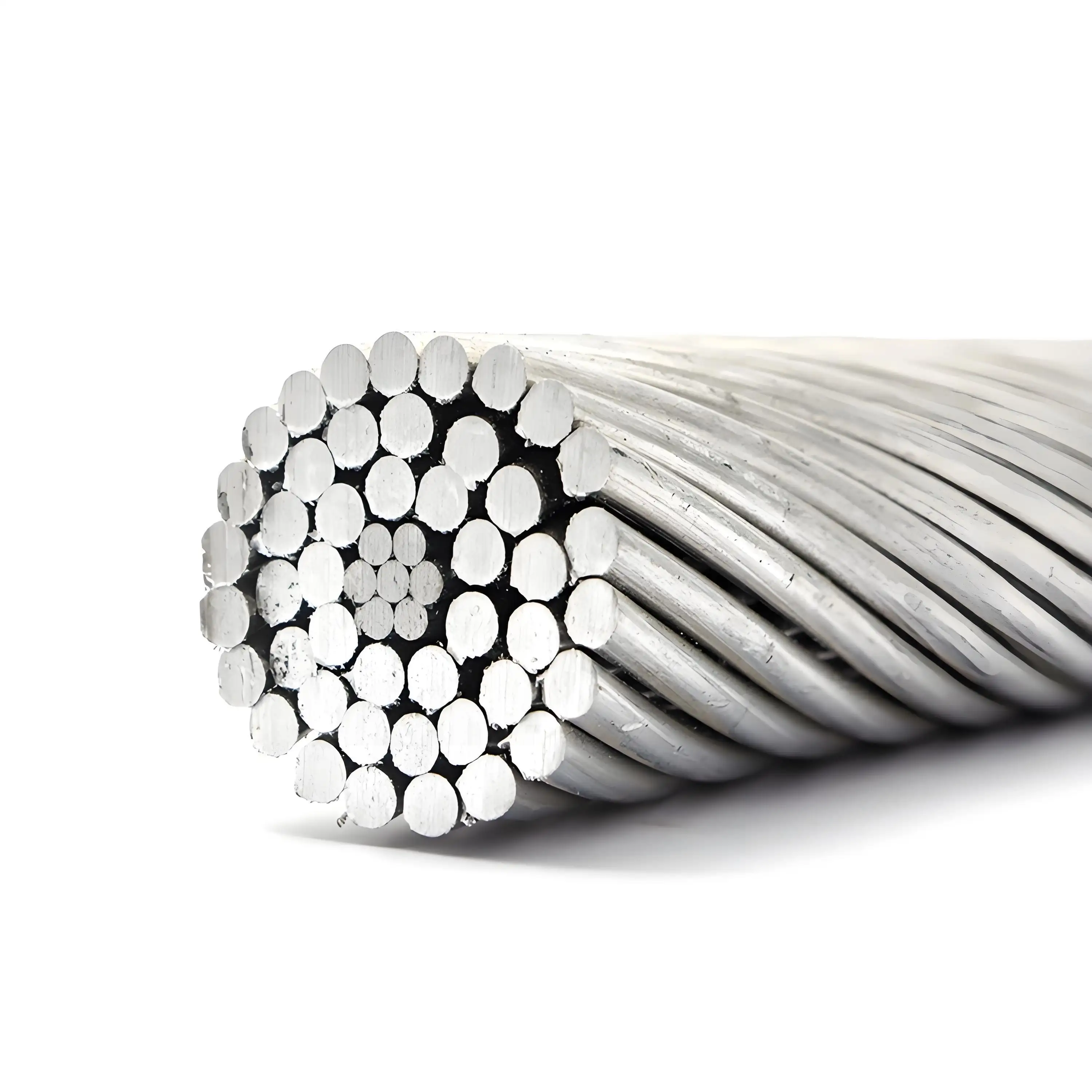
Bare aluminum cable, also known as aluminum conductor steel reinforced (ACSR) cable, is a type of electrical cable that is specifically designed for use in overhead power lines. It is made up of a central steel core surrounded by aluminum conductors, which are usually bare (i.e., without any insulation or protective coverings). This type of cable has become increasingly popular in recent years due to its numerous benefits, particularly in electrical installations.
One of the main advantages of using bare aluminum cable is its high conductivity. Aluminum is an excellent conductor of electricity, second only to copper in terms of conductivity. This means that bare aluminum cable can efficiently and effectively transmit electrical power over long distances, making it an ideal choice for overhead power lines. Additionally, bare aluminum cable is lightweight and flexible, which makes it easier to handle and install compared to other types of cables.
Another benefit of using bare aluminum cable is its high tensile strength. The steel core provides added strength and support, allowing the cable to withstand the mechanical stresses and environmental conditions commonly associated with overhead installations. This makes bare aluminum cable more durable and long-lasting, reducing the need for frequent maintenance and replacement.
In addition to its high conductivity and tensile strength, bare aluminum cable is also highly resistant to corrosion. Aluminum naturally forms a protective oxide layer when exposed to the air, which helps prevent the formation of rust and corrosion. This makes bare aluminum cable suitable for use in a wide range of environmental conditions, including coastal and industrial areas where corrosion is a common concern.
Furthermore, bare aluminum cable is cost-effective and energy-efficient. Aluminum is a more affordable material compared to copper, making it a more economical choice for electrical installations. Additionally, aluminum is lighter than copper, which means that less energy is required for transportation and installation. This can result in lower overall costs and reduced energy consumption, making bare aluminum cable an environmentally friendly option.
Despite its numerous benefits, it is important to note that bare aluminum cable does have some limitations. For instance, aluminum has a lower tensile strength than copper, which means that it may not be suitable for applications where mechanical stresses are particularly high. In addition, aluminum conductors have a higher coefficient of thermal expansion compared to copper, which can lead to issues with sagging and stretching in overhead installations.
In conclusion, bare aluminum cable offers a wide range of benefits for electrical installations. Its high conductivity, tensile strength, resistance to corrosion, and cost-effectiveness make it a popular choice for overhead power lines and other applications. While it does have some limitations, the advantages of using bare aluminum cable outweigh the disadvantages, making it a valuable and reliable option for electrical engineers and installers.
Incorporating bare aluminum cable into electrical installations has the potential to improve efficiency, reduce costs, and contribute to the overall sustainability of the electrical industry. As such, it is important for professionals in the field to consider the advantages and drawbacks of bare aluminum cable when planning and implementing electrical projects.
- Advantages of Bare Aluminum Cable in Electrical Installations
Bare aluminum cable has become an increasingly popular choice in electrical installations due to its numerous advantages. This type of cable, made entirely of aluminum without any insulation or jacketing, offers a range of benefits that make it a superior option for many electrical applications. From cost savings to improved conductivity, bare aluminum cable is making waves in the electrical industry.
One of the primary advantages of using bare aluminum cable in electrical installations is its cost-effectiveness. Aluminum is a much more affordable material than copper, which is commonly used in insulated cables. This means that using bare aluminum cable can result in significant cost savings for electrical projects, making it an attractive option for contractors and building owners alike.
In addition to cost savings, bare aluminum cable also offers superior conductivity. Aluminum has a lower resistance to electrical current than copper, meaning that it is able to carry electricity more efficiently. This can result in reduced energy loss and improved overall system performance, making it a highly desirable option for electrical installations.
Another key advantage of bare aluminum cable is its lightweight nature. Aluminum is significantly lighter than copper, making it easier to handle and install in electrical systems. This can streamline the installation process and reduce labor costs, further adding to the overall cost-effectiveness of using bare aluminum cable.
Furthermore, bare aluminum cable is highly resistant to corrosion, making it a durable and long-lasting option for electrical installations. The lack of insulation or jacketing on bare aluminum cable means that there are no vulnerable points for corrosion to take hold, resulting in a cable that is able to withstand the elements and harsh environmental conditions.
In addition to its durability, bare aluminum cable is also highly resistant to fire. Without the presence of insulation or jacketing, there is a reduced risk of fire spreading through the cable in the event of a fault. This makes bare aluminum cable a safe and reliable option for electrical installations, particularly in high-risk environments.
Furthermore, bare aluminum cable is environmentally friendly. Aluminum is a highly recyclable material, meaning that it can be reused and repurposed at the end of its lifespan. This adds to the sustainability of using bare aluminum cable in electrical installations, making it a responsible choice for environmentally conscious projects.
In conclusion, the benefits of using bare aluminum cable in electrical installations are clear. From cost savings to improved conductivity, durability, and environmental sustainability, bare aluminum cable offers a range of advantages that make it a superior option for many electrical applications. With its lightweight nature and resistance to corrosion and fire, bare aluminum cable is revolutionizing the electrical industry and is set to become an increasingly popular choice for future projects.
- Considerations for Using Bare Aluminum Cable
Bare aluminum cable, also known as aluminum conductor steel-reinforced (ACSR) cable, has been gaining popularity in electrical installations due to its numerous benefits. This type of cable consists of aluminum wires wrapped around a steel core, making it lightweight, durable, and cost-effective. However, there are several considerations that need to be taken into account when using bare aluminum cable in electrical installations.
One of the primary considerations for using bare aluminum cable is its susceptibility to corrosion. Unlike copper cables, aluminum is prone to corrosion when exposed to certain environmental conditions, such as moisture and chemicals. This can lead to deterioration of the cable over time, potentially causing electrical problems and safety hazards. To mitigate this risk, it is important to properly protect and seal the bare aluminum cable from moisture and other corrosive elements. Additionally, regular maintenance and inspections should be conducted to ensure the integrity of the cable.
Another important consideration for using bare aluminum cable is its thermal expansion and contraction properties. Aluminum has a higher coefficient of thermal expansion than copper, which means it expands and contracts more significantly in response to temperature changes. This can put stress on the cable and its connections, potentially leading to loosening and electrical resistance. Proper installation techniques and the use of expansion fittings can help accommodate the thermal movements of bare aluminum cable and minimize potential issues.
Furthermore, compatibility with other materials and components is a crucial consideration when using bare aluminum cable. Aluminum has different electrical and mechanical properties compared to copper, which can affect the performance and reliability of connections and terminations. Therefore, it is important to use connectors and termination methods specifically designed for aluminum conductors to ensure secure and reliable electrical connections. Additionally, the use of antioxidant compounds and proper torque settings can help improve the longevity and reliability of aluminum connections.
In addition to the considerations mentioned above, the choice of bare aluminum cable for electrical installations should also take into account the specific application and environmental conditions. For example, bare aluminum cable is commonly used in overhead power transmission lines due to its lightweight and high strength-to-weight ratio. However, it may not be the ideal choice for underground or underwater installations due to the increased risk of corrosion. Likewise, the proximity to corrosive environments, such as coastal areas or chemical plants, should also be considered when selecting bare aluminum cable for electrical installations.
Despite these considerations, the benefits of using bare aluminum cable in electrical installations are significant. Its lightweight and high strength-to-weight ratio make it an ideal choice for long-span transmission lines, reducing the need for additional structural support. Additionally, bare aluminum cable is cost-effective and readily available, making it a practical choice for various electrical applications. With proper care and consideration of its unique properties, bare aluminum cable can be a reliable and efficient choice for electrical installations.
- Potential Challenges and Solutions in Using Bare Aluminum Cable
The Benefits and Potential Challenges of Using Bare Aluminum Cable in Electrical Installations
Bare aluminum cable has been gaining popularity in electrical installations due to its cost-effectiveness and lightweight properties. However, there are potential challenges that need to be addressed when using bare aluminum cable in electrical systems. This article will explore the benefits of using bare aluminum cable in electrical installations as well as the potential challenges and solutions associated with its use.
Benefits of Using Bare Aluminum Cable
Bare aluminum cable offers numerous benefits that make it an attractive option for electrical installations. One of the key benefits is its cost-effectiveness. Aluminum is more abundant and less expensive than copper, making it a more budget-friendly option for large-scale projects. Additionally, aluminum is lightweight, which makes it easier to handle and install compared to copper cable. This can result in reduced labor costs and faster installation times.
Another benefit of using bare aluminum cable is its resistance to corrosion. Aluminum naturally forms a protective oxide layer when exposed to the atmosphere, which helps prevent corrosion and extends the lifespan of the cable. This makes bare aluminum cable an ideal choice for outdoor and underground applications where exposure to moisture and environmental elements is a concern.
Challenges and Solutions in Using Bare Aluminum Cable
Despite its numerous benefits, there are potential challenges associated with using bare aluminum cable in electrical installations. One of the main challenges is its lower conductivity compared to copper. Aluminum has a higher resistance to electrical current, which can result in higher voltage drops and increased power losses. This can be a significant issue in long-distance transmission lines and high-current applications.
To address the challenge of lower conductivity, proper installation techniques and design considerations are essential. For example, using larger gauge aluminum conductors and minimizing the distance between the power source and the load can help mitigate voltage drops and power losses. Additionally, the use of aluminum-specific connectors and terminations can help ensure reliable and secure connections, reducing the risk of overheating and potential fire hazards.
Another potential challenge of using bare aluminum cable is its susceptibility to galvanic corrosion when in contact with dissimilar metals. This can occur when aluminum conductors come into contact with copper or steel components, leading to corrosion and potential degradation of the electrical system. To prevent galvanic corrosion, the use of corrosion-resistant materials, such as aluminum-compatible connectors and hardware, is essential. Additionally, proper insulation and protection of the aluminum conductors can help minimize the risk of galvanic corrosion in mixed-metal installations.
In conclusion, while bare aluminum cable offers numerous benefits for electrical installations, there are potential challenges that need to be considered and addressed. By understanding the potential challenges and implementing proper installation techniques and design considerations, the use of bare aluminum cable can be a cost-effective and reliable option for a wide range of electrical applications. With the right precautions and solutions in place, the benefits of using bare aluminum cable can be maximized while minimizing potential challenges.
- Conclusion: The Overall Benefits of Bare Aluminum Cable
Bare aluminum cable has become an increasingly popular choice in electrical installations due to its numerous benefits. In this article, we have discussed the advantages of using bare aluminum cable in various applications, including its cost-effectiveness, durability, and environmental friendliness. In this conclusion, we will summarize the overall benefits of using bare aluminum cable and why it is a preferred option for many electrical projects.
One of the main advantages of using bare aluminum cable is its cost-effectiveness. Compared to copper cable, bare aluminum cable is significantly cheaper, making it an attractive option for those looking to save on installation costs. Additionally, the lightweight nature of aluminum makes it easier to handle and install, further reducing labor costs and installation time.
Furthermore, bare aluminum cable is known for its durability and longevity. Aluminum is highly resistant to corrosion, which makes it suitable for outdoor and underground installations where exposure to moisture and other environmental elements is a concern. This durability ensures that bare aluminum cable has a longer lifespan, reducing the need for frequent maintenance and replacements.
In addition to its cost-effectiveness and durability, bare aluminum cable is also recognized for its environmental friendliness. Aluminum is a highly recyclable material, and using it in electrical installations helps to reduce the demand for new raw materials. This not only minimizes the environmental impact of the production process but also promotes sustainability and conservation efforts.
Another benefit of bare aluminum cable is its high conductivity. While copper is known for its superior conductivity, advances in aluminum cable technology have led to improved conductivity levels, making it a viable alternative to traditional copper cable. This high conductivity allows for efficient energy transmission and minimizes power loss, ultimately resulting in more efficient electrical systems.
Moreover, bare aluminum cable is a versatile option that can be used in a wide range of applications. From residential wiring to industrial and commercial projects, bare aluminum cable can accommodate various voltage and current requirements. This versatility makes it a preferred choice for electrical contractors and engineers who need a reliable and adaptable solution for their installations.
In conclusion, the benefits of using bare aluminum cable in electrical installations are clear and compelling. Its cost-effectiveness, durability, environmental friendliness, high conductivity, and versatility make it a valuable option for a wide range of projects. As the demand for efficient and sustainable electrical solutions continues to grow, bare aluminum cable is likely to remain a popular choice for electrical installations in the future. Whether it's for new construction or retrofitting existing systems, bare aluminum cable offers a reliable and cost-effective solution for electrical contractors and engineers.
Conclusion
In conclusion, the benefits of using bare aluminum cable in electrical installations are numerous and significant. From its cost-effectiveness and light weight to its high conductivity and corrosion resistance, bare aluminum cable offers a range of advantages that make it a desirable choice for electrical projects. Its ability to handle high temperatures and its eco-friendly nature further add to the appeal of this type of wiring. As technology continues to advance, it's important to consider alternative materials and methods for electrical installations, and bare aluminum cable is a prime example of a valuable option. By understanding the benefits of using bare aluminum cable, electrical professionals and homeowners alike can make informed decisions and enhance the efficiency and safety of their electrical systems.
Table of Contents
GET IN TOUCH WITH Us
Ready to work with us?

Find us here:
The cable factory from 2007-2018 are mainly for domestic trading and processing to some export tradingcompanies. The average sales amount are about RMB 320,000,000 per year. For cables oversea market, From last may till now we have expanded our market to Bolivia, Peru, Dominican, Philippines, Vietnam, Thailand, Iraq, Mongolia, Indonesia and some Africa country.
Copyright © 2026 KINGYEAR |Sitemap丨Privacy Polcy