


Please fill out the form below to request a quote or to request more information about us. please be as detailed as possible in your message, and we will get back to you as soon as possible with a response. we're ready to start working on your new project, contact us now to get started.
The Essential Guide To Aerial Bundled Cable Specification: What You Need To Know
2026-05-13
KINGYEAR
52
Are you curious about aerial bundled cable specification and its importance in the electrical industry? Look no further! Our essential guide has all the information you need to become an expert on this vital component of electrical systems. From understanding its uses to the specific requirements for installation, we’ve got you covered. Whether you’re a professional in the field or simply want to expand your knowledge, this guide is a must-read. So, let’s dive in and discover everything you need to know about aerial bundled cable specification!
- Introduction to Aerial Bundled Cable
to Aerial Bundled Cable
Aerial bundled cable (ABC) is a revolutionary advancement in the field of power distribution and transmission. It is a unique and innovative technology that has completely transformed the way electricity is distributed. This technology has been widely recognized and embraced for its numerous advantages and benefits, making it an essential component in modern power infrastructure.
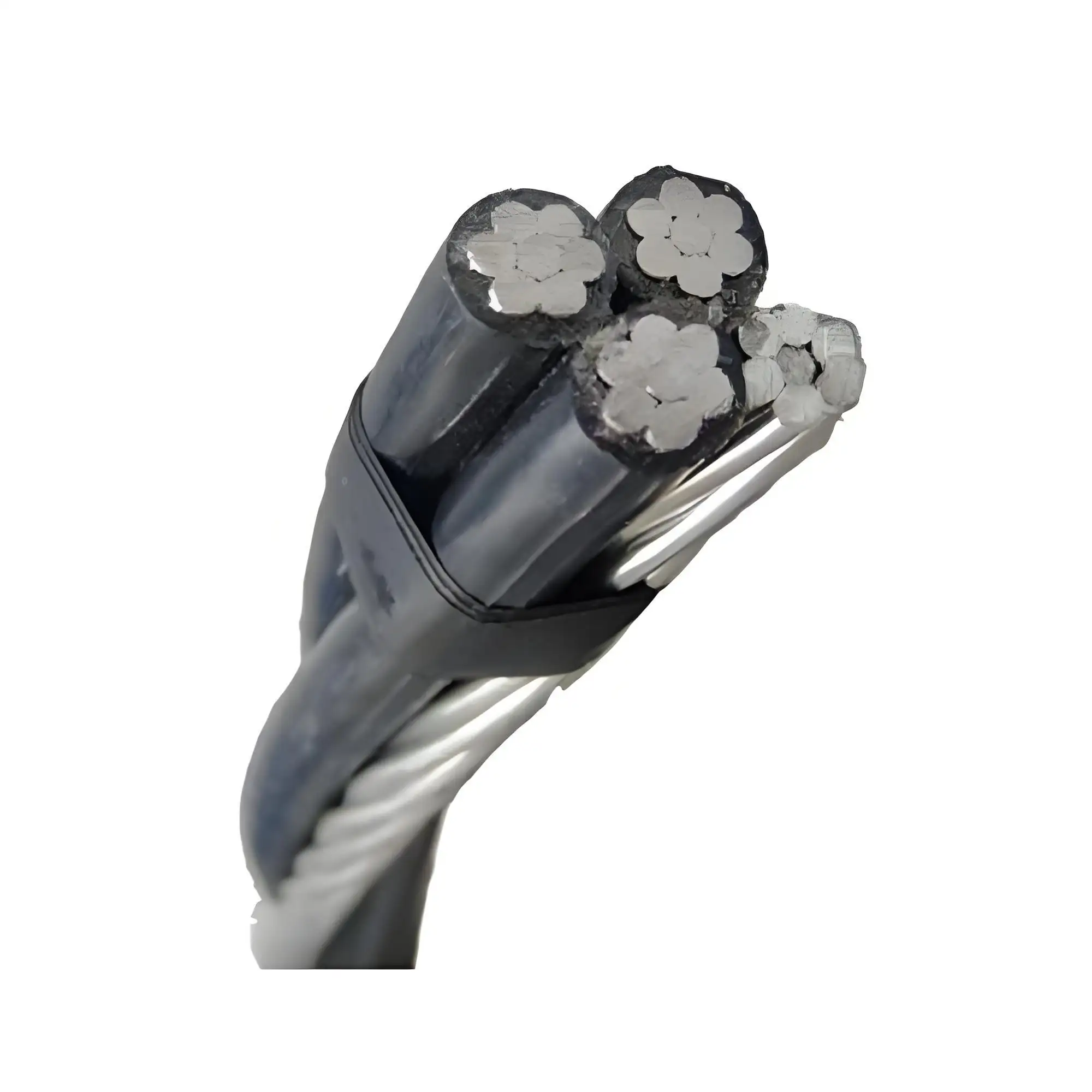
Aerial bundled cable is a type of power cable that consists of multiple insulated phase conductors, and a bare neutral conductor, all bundled together and wrapped in a single rugged sheath. This design offers many benefits over traditional bare conductor systems, such as improved safety, reliability, and cost-efficiency. In addition, ABC also reduces the need for pole-mounted transformers and provides better resistance to environmental factors, such as inclement weather and wildlife interference.
One of the primary advantages of aerial bundled cable is its enhanced safety features. By having all conductors bundled together and encased in a rugged sheath, the risk of accidental contact and electric shock is significantly reduced. This is especially beneficial in areas where overhead power lines are in close proximity to people, buildings, and other structures. With ABC, the risk of electrical accidents and injuries is greatly minimized, making it a preferred choice in urban and residential areas.
Another key advantage of aerial bundled cable is its improved reliability. Traditional bare conductor systems are prone to damage due to external factors, such as weather elements and wildlife interference. However, ABC is designed to withstand environmental stressors, ensuring consistent power distribution and minimizing the need for frequent repairs and maintenance. This increased reliability translates to better overall performance and reduced downtime, ultimately leading to cost savings for utilities and consumers.
Aerial bundled cable also offers significant cost-efficiency benefits. The installation and maintenance of traditional bare conductor systems can be complex and labor-intensive, requiring additional hardware and equipment. ABC, on the other hand, is easier and quicker to install, resulting in reduced labor and material costs. Furthermore, its enhanced reliability and reduced maintenance needs contribute to long-term cost savings, making it a cost-effective solution for power distribution and transmission.
When it comes to aerial bundled cable specification, it is crucial to consider factors such as conductor size, insulation type, sheath material, and voltage rating. These specifications are essential for ensuring compatibility with the specific power distribution requirements and environmental conditions. Furthermore, adherence to industry standards and regulations is vital to guarantee the safe and reliable operation of ABC systems.
In conclusion, aerial bundled cable is a groundbreaking technology that has redefined power distribution and transmission. Its enhanced safety features, improved reliability, and cost-efficiency make it an indispensable component in modern power infrastructure. Understanding the aerial bundled cable specification is essential for ensuring the successful implementation and operation of this innovative technology. As the demand for efficient and reliable power distribution continues to grow, aerial bundled cable will undoubtedly play a pivotal role in shaping the future of the industry.
- Understanding Aerial Bundled Cable Specifications
Aerial bundled cables (ABC) are widely used in the electrical distribution network for both urban and rural areas. They consist of multiple insulated phase conductors bundled together with a bare neutral conductor. The design of ABC ensures easy deployment and maintenance, making it a popular choice for overhead power distribution systems. However, understanding the specifications of aerial bundled cables is crucial for ensuring efficient and safe electrical distribution. In this article, we will delve into the essential guide to aerial bundled cable specifications, covering everything you need to know about these vital components of the electrical grid.
ABC specifications encompass a variety of aspects, including conductor material, insulation type, voltage rating, and mechanical properties. Conductor materials for ABC are typically aluminum or copper, with aluminum being the more commonly used material due to its lightweight and cost-effective nature. The insulation type plays a critical role in protecting the conductors from environmental factors such as UV radiation, moisture, and temperature variations. Common insulation materials for ABC include cross-linked polyethylene (XLPE) and polyvinyl chloride (PVC).
Voltage rating is another key specification to consider when selecting ABC, as it determines the maximum operating voltage of the cable. Typical voltage ratings for ABC range from 600V to 35kV, depending on the application and the specific requirements of the electrical distribution system. Additionally, mechanical properties such as bending radius, tensile strength, and sag performance are important considerations for ensuring the proper installation and longevity of the aerial bundled cables.
When it comes to installation, the specifications of ABC play a vital role in determining the feasibility and performance of the overhead power distribution system. The ampacity, or current-carrying capacity, of the aerial bundled cables is a critical specification that determines the maximum current the cables can safely carry without overheating. This is crucial for preventing overloading and ensuring the continuous and safe operation of the electrical distribution network.
Furthermore, understanding the environmental and operational conditions of the installation site is essential for selecting the appropriate aerial bundled cable specifications. For instance, areas with high levels of UV exposure or extreme temperatures may require specific insulation materials and protective measures to ensure the longevity and reliability of the ABC.
In conclusion, aerial bundled cable specifications encompass a wide range of factors that are crucial for ensuring the reliable and efficient operation of overhead power distribution systems. By understanding and considering these specifications, electrical engineers and installers can make informed decisions when selecting and installing ABC, ultimately contributing to the safety and sustainability of the electrical grid. Whether it's material selection, voltage rating, mechanical properties, or environmental considerations, a comprehensive understanding of aerial bundled cable specifications is essential for the successful deployment and maintenance of overhead power distribution systems.
- Key Considerations for Aerial Bundled Cable Specifications
Aerial bundled cables (ABC) are a crucial component in modern electrical distribution systems. These cables are used to transmit electricity from distribution lines to individual consumer premises. As such, the specifications of these cables are of utmost importance to ensure safe and reliable power transmission. In this article, we will explore the key considerations for aerial bundled cable specifications, providing an essential guide for engineers, electricians, and other industry professionals.
One of the primary considerations for aerial bundled cable specifications is the conductor material. Conductors are the core component of any cable, and the material used can have a significant impact on the cable's performance and longevity. Common conductor materials for aerial bundled cables include aluminum and copper. Each material has its own set of advantages and disadvantages, and the choice between the two will depend on factors such as cost, conductivity, and environmental considerations.
Another important aspect of aerial bundled cable specifications is the insulation material. Insulation is vital for protecting the conductor from environmental factors such as moisture, heat, and mechanical stress. The choice of insulation material will depend on the specific application and the environmental conditions in which the cable will be installed. Common insulation materials for aerial bundled cables include cross-linked polyethylene (XLPE) and polyvinyl chloride (PVC). Both materials offer good electrical properties and mechanical strength, but each has its own unique characteristics that make it suitable for different applications.
In addition to conductor and insulation materials, the design and construction of the cable also play a crucial role in its specifications. Aerial bundled cables are often exposed to harsh outdoor environments, and as such, they must be designed to withstand environmental factors such as UV radiation, temperature variations, and mechanical stress. The design of the cable will also impact factors such as voltage rating, current-carrying capacity, and installation requirements. Engineers and electricians must carefully consider these aspects when specifying aerial bundled cables for a particular application.
Furthermore, regulatory and compliance requirements must also be taken into account when specifying aerial bundled cables. Different countries and regions have their own set of standards and regulations governing the design, manufacturing, and installation of electrical cables. It is essential to ensure that any aerial bundled cable specifications comply with the relevant standards and regulations to ensure safety and reliability.
In conclusion, the specification of aerial bundled cables is a complex and multifaceted process that requires careful consideration of various factors such as conductor material, insulation material, design, construction, and regulatory compliance. By understanding these key considerations, engineers, electricians, and other industry professionals can ensure that the aerial bundled cables used in electrical distribution systems are safe, reliable, and fit for purpose.
- Benefits of Proper Aerial Bundled Cable Specification
Aerial bundled cables (ABC) are a type of electrical cable that are used for overhead power distribution. These cables consist of multiple insulated conductors, which are bundled together and wrapped in a protective layer of insulating material. Proper aerial bundled cable specification is essential for ensuring the safety and efficiency of electrical systems. In this article, we will explore the benefits of proper aerial bundled cable specification and discuss why it is crucial for electrical infrastructure.
One of the primary benefits of proper aerial bundled cable specification is improved safety. When cables are not properly specified, there is a risk of electrical faults and failures, which can be hazardous to both people and property. By ensuring that the cables are designed and installed according to the appropriate specifications, the risk of electrical accidents can be significantly reduced. This is particularly important for overhead distribution systems, where the cables are exposed to environmental factors such as wind, rain, and temperature fluctuations.
In addition to safety, proper aerial bundled cable specification also ensures the efficiency and reliability of electrical systems. When cables are designed with the appropriate materials and specifications, they are better equipped to handle the demands of power distribution. This results in more consistent power delivery, reduced downtime, and lower maintenance costs. By following the correct specifications, electrical engineers can also ensure that the cables are capable of supporting the expected load and voltage levels, without the risk of overheating or other performance issues.
Furthermore, proper aerial bundled cable specification can also contribute to cost savings in the long run. By using cables that are designed to withstand the specific environmental and electrical conditions of a given location, utilities and operators can avoid the need for frequent repairs and replacements. This not only reduces maintenance costs, but also minimizes the risk of unplanned outages and service disruptions, which can be costly for both utility companies and their customers. Additionally, specifying the right aerial bundled cables from the outset can also contribute to overall system efficiency, reducing energy losses and improving power quality.
It is important to note that proper aerial bundled cable specification requires a thorough understanding of the electrical and environmental conditions in which the cables will be used. This includes factors such as temperature range, UV exposure, mechanical stress, and voltage levels. By carefully considering these factors and selecting the appropriate materials and designs, engineers can ensure that the cables are well-suited for their intended application.
In conclusion, proper aerial bundled cable specification is essential for ensuring the safety, efficiency, and reliability of overhead power distribution systems. By following the correct specifications and selecting the appropriate materials and designs, engineers can minimize the risk of electrical faults, improve system performance, and reduce long-term costs. Ultimately, investing in proper aerial bundled cable specification is an essential part of building and maintaining a resilient electrical infrastructure.
- Conclusion: Expert Tips for Aerial Bundled Cable Specification
Expert Tips for Aerial Bundled Cable Specification
As we conclude our essential guide to aerial bundled cable specification, it is important to consider some expert tips to ensure that you are making the right choices for your specific needs. Aerial bundled cables come with their own set of specifications and requirements, and understanding these can help in making informed decisions when it comes to installation and maintenance.
One expert tip for aerial bundled cable specification is to always verify the requirements set forth by local regulations and standards. Each region may have its own unique set of guidelines and specifications for aerial bundled cables, and it is crucial to adhere to these to ensure safety and compliance. Working with a knowledgeable and experienced supplier or manufacturer can also provide valuable insights into the specific requirements for your project.
Another important tip is to consider the environmental factors that may affect the performance of aerial bundled cables. Factors such as temperature fluctuations, exposure to sunlight, and potential abrasion from nearby objects should be taken into account when specifying aerial bundled cables. Choosing the right materials and design features can help in ensuring the longevity and reliability of the cables in various environmental conditions.
When specifying aerial bundled cables, it is also important to consider the specific application and load requirements. A thorough understanding of the power distribution needs and potential future expansions can help in determining the appropriate size, insulation, and conductor material for the aerial bundled cables. Consulting with an electrical engineer or a knowledgeable supplier can provide insights into the best options for your specific application.
In addition, the installation process should be given careful consideration when specifying aerial bundled cables. Proper installation techniques are crucial for the performance and longevity of the cables, and it is important to work with qualified and experienced installers who are familiar with the specific requirements for aerial bundled cables. Following the manufacturer's recommended installation guidelines and techniques can help in ensuring the optimal performance of the cables.
Lastly, regular maintenance and inspections are essential for ensuring the continued performance and safety of aerial bundled cables. Developing a comprehensive maintenance plan and schedule, and conducting regular inspections can help in identifying potential issues and addressing them before they escalate. Working with a reputable supplier who offers reliable support and maintenance services can provide peace of mind and ensure the long-term performance of the aerial bundled cables.
In conclusion, aerial bundled cable specification requires careful consideration of local regulations, environmental factors, application requirements, installation techniques, and maintenance plans. By following expert tips and working with knowledgeable suppliers and installers, you can ensure that your aerial bundled cables are specified and installed to meet your specific needs and performance requirements.
Conclusion
In conclusion, understanding the specifications of aerial bundled cables is essential for anyone involved in the electricity distribution industry. It is important to consider factors such as voltage rating, conductor material, insulation type, and environmental conditions when selecting the right aerial bundled cable for a specific application. By following the guidelines outlined in this essential guide, you can ensure the safe and efficient transmission of electricity in overhead distribution systems. As technology continues to evolve, it is crucial to stay informed about the latest advancements and updates in aerial bundled cable specifications to maintain the highest standards of performance and reliability. So, whether you are a contractor, engineer, or utility provider, being well-versed in aerial bundled cable specifications is key to successfully meeting the demands of today’s electricity distribution networks.
Table of Contents
GET IN TOUCH WITH Us
Ready to work with us?

Find us here:
The cable factory from 2007-2018 are mainly for domestic trading and processing to some export tradingcompanies. The average sales amount are about RMB 320,000,000 per year. For cables oversea market, From last may till now we have expanded our market to Bolivia, Peru, Dominican, Philippines, Vietnam, Thailand, Iraq, Mongolia, Indonesia and some Africa country.
Copyright © 2026 KINGYEAR |Sitemap丨Privacy Polcy