


Please fill out the form below to request a quote or to request more information about us. please be as detailed as possible in your message, and we will get back to you as soon as possible with a response. we're ready to start working on your new project, contact us now to get started.
The Inner Workings Of A Modern Cable Factory: From Raw Materials To Finished Product
2026-06-24
KINGYEAR
57
Welcome to the fascinating world of modern cable manufacturing! In our article, "The Inner Workings of a Modern Cable Factory: From Raw Materials to Finished Product," we will take you on a journey through the intricate process of turning raw materials into the cables that power our modern world. From the selection of high-quality materials to the cutting-edge technology and skilled labor involved in the manufacturing process, this article will give you a behind-the-scenes look at the inner workings of a modern cable factory. Whether you're an industry professional or simply curious about the process, join us as we explore the fascinating world of cable production.
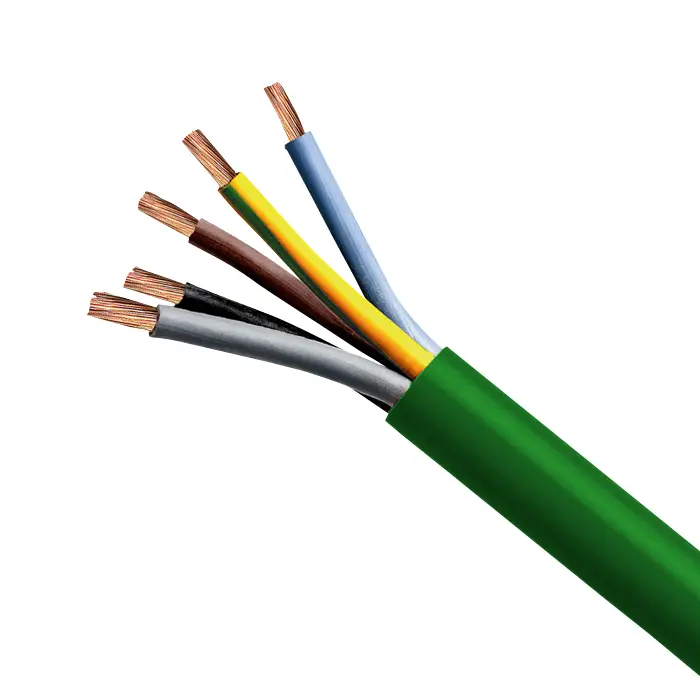
Raw Materials: Sourcing and Processing
The inner workings of a modern cable factory are quite complex and involve various stages from sourcing raw materials to processing them into the finished product. In this article, we will delve into the detailed process of sourcing and processing raw materials in a modern cable factory.
The first step in the production of cables is the sourcing of raw materials. The primary raw materials used in cable manufacturing include copper, aluminum, and various types of plastic compounds. These materials are sourced from different suppliers and undergo rigorous quality checks to ensure they meet the required specifications for cable production. The quality of raw materials is crucial as it directly impacts the performance and durability of the final product.
Once the raw materials are sourced, they undergo a series of processing stages to convert them into the finished product. Copper and aluminum, the most essential materials, are initially smelted and refined to eliminate impurities and achieve the desired conductivity levels. This involves a careful balance of temperature and chemical reactions to obtain high-quality metal that meets industry standards.
The next step involves shaping the metal into the required form for cable production. This can include drawing the metal through a series of dies to achieve the desired thickness and diameter for the cable conductors. The metal is then insulated using various plastic compounds to protect it from external factors such as moisture, heat, and electrical interference. The plastic compounds are carefully selected based on their electrical and mechanical properties to ensure they provide the necessary insulation and protection for the conductors.
In addition to the core materials, other components such as shielding, fillers, and sheathing are also processed and added to the cable structure to enhance its performance and durability. The processing of these components involves specific techniques and equipment to ensure they are incorporated seamlessly into the cable design.
Furthermore, the processing stage also involves the assembly of various cable components to form the final product. This can include the twisting and stranding of conductors, the application of outer sheathing, and the printing of essential information such as cable specifications and safety certifications.
Throughout the entire processing stage, quality control is paramount in ensuring the consistency and reliability of the final product. Each processed component undergoes rigorous testing and inspection to verify its electrical, mechanical, and environmental properties. This includes conducting electrical conductivity tests, tensile strength tests, and environmental exposure tests to ensure the cables meet industry standards and customer requirements.
In conclusion, the sourcing and processing of raw materials play a critical role in the inner workings of a modern cable factory. From sourcing high-quality raw materials to processing them into the finished product, this intricate process requires precision, expertise, and strict quality control to produce cables that meet the diverse needs of various industries. Each stage in the production process contributes to the overall quality and reliability of the cables, making the sourcing and processing of raw materials a fundamental aspect of cable manufacturing.
Production Process: How Cables are Manufactured
The production process of manufacturing cables in a modern cable factory is a complex and intricate operation that involves various stages and meticulous attention to detail. From the raw materials to the finished product, each step in the production process plays a crucial role in ensuring the quality and performance of the cables.
The first stage of the production process begins with the sourcing of raw materials. The key components of cables, such as copper or aluminum conductors, insulation materials, and protective sheathing, are sourced from reputable suppliers. These raw materials undergo thorough quality checks and inspections to ensure that they meet the factory's stringent standards for durability, conductivity, and safety.
Once the raw materials have been approved, they are transported to the manufacturing facility where the actual production process begins. The cables are typically manufactured using a combination of automated machinery and skilled labor. The raw materials are first processed and formed into the desired shape and size, depending on the specific requirements of the cables being produced.
The next step in the production process involves the insulation and sheathing of the conductors. This process is crucial for protecting the conductors from environmental factors and ensuring the safety and longevity of the cables. The insulation and sheathing materials are carefully applied to the conductors using specialized machinery and techniques to ensure a uniform and secure coating.
After the insulation and sheathing process, the cables undergo a series of quality control checks to ensure that they meet the factory's standards for performance and safety. This involves rigorous testing for electrical conductivity, insulation resistance, and mechanical strength. Any cables that fail to meet these stringent criteria are rejected and sent back for rework or disposal.
Once the cables have been successfully tested and approved, they are then coiled, packaged, and prepared for distribution. The packaging process is also an important part of the production process, as it ensures that the cables remain protected during transit and storage. The finished products are then shipped to customers, where they will be used in a wide range of applications, from electrical wiring to telecommunications.
In conclusion, the production process of manufacturing cables in a modern cable factory is a highly intricate and organized operation that involves various stages, from the sourcing of raw materials to the packaging of the finished products. It requires a combination of advanced machinery, skilled labor, and stringent quality control measures to ensure that the cables meet the highest standards for performance and safety. As technology continues to advance, the production process of manufacturing cables is likely to become even more efficient and precise, ultimately leading to the development of superior quality products for various industries.
Quality Control: Ensuring Excellence in the Finished Product
In a modern cable factory, ensuring the highest level of quality in the finished product is of paramount importance. From the moment raw materials are received to the final inspection of the completed cables, every step in the manufacturing process requires rigorous quality control measures to guarantee excellence.
The first stage in the production of cables is the procurement of raw materials. It is imperative that the materials used in the manufacturing process meet strict quality standards. This includes sourcing high-grade metal for the conductive core, durable insulation materials, and reliable protective sheathing. The factory must have a thorough quality control process in place to inspect and assess the materials upon arrival. Any subpar materials must be rejected or returned to the supplier to maintain the integrity of the final product.
Once the raw materials have been approved, the manufacturing process can begin. Skilled technicians and automated machinery work in tandem to transform the raw materials into the cable components. Throughout this process, regular quality checks are performed to monitor the dimensions, conductivity, and material integrity of the components. Any deviations from the set standards are immediately rectified to prevent defects from arising in the finished product.
As the individual components come together to form the cables, stringent quality control protocols continue to be enforced. The cables are subjected to various tests to ensure their electrical and mechanical properties meet the required specifications. These tests may include voltage and current capacity assessments, insulation resistance checks, and flexing and bending durability evaluations. Each cable must pass these tests before progressing to the next stage of production.
Once the cables are assembled, they undergo a thorough examination to identify any potential flaws. This final inspection stage is crucial in ensuring that only flawless cables are dispatched to the clients. Visual inspections, electrical testing, and dimensional measurements are among the comprehensive checks carried out at this stage. Any cables found to be defective are immediately removed from the production line and subjected to rework or disposal.
Beyond the manufacturing process, the quality control efforts extend to the packaging and shipment of the cables. Proper packaging is essential to protect the cables from damage during transportation and storage. The factory must ensure that all cables are securely packaged and labeled accurately before being dispatched to customers. Additionally, the factory must maintain records of all quality control measures undertaken during the production process for traceability and accountability.
In conclusion, quality control in a modern cable factory is a multifaceted endeavor that spans from the receipt of raw materials to the delivery of finished products. Stringent measures are implemented at each stage of production to guarantee that only top-quality cables leave the factory. By upholding the highest standards of quality control, cable factories can ensure the excellence and reliability of their finished products, providing peace of mind to their customers and maintaining their reputation for excellence in the industry.
Sustainability: Eco-Friendly Practices in Cable Manufacturing
In today’s modern world, the demand for cables and wires is constantly on the rise. With the rapid advancements in technology, these essential components are used in a wide range of applications, from powering electronic devices to transmitting data. As the need for cables continues to grow, so does the importance of implementing sustainable and eco-friendly practices in cable manufacturing. In this article, we will explore the inner workings of a modern cable factory, from raw materials to the finished product, and how these facilities are embracing sustainability.
The process of cable manufacturing begins with the selection of raw materials. Traditionally, cable factories have relied on non-renewable resources such as copper and aluminum for the production of conductive elements. However, in recent years, there has been a shift towards embracing more sustainable alternatives. For instance, some manufacturers have started incorporating recycled copper and aluminum into their production processes, reducing the need for virgin materials and minimizing the environmental impact of mining and extraction.
Furthermore, the insulation and sheathing materials used in cable manufacturing have also seen a transition towards more eco-friendly options. PVC, a commonly used plastic in the industry, has come under scrutiny for its negative environmental impact. In response, many cable factories have turned to alternatives such as cross-linked polyethylene (XLPE) and ethylene propylene rubber (EPR) for their insulation and sheathing needs. These materials are not only more environmentally friendly, but also offer superior performance and longevity, making them a win-win for both manufacturers and the planet.
Once the raw materials have been selected, they go through a series of processes to form the finished cable product. In the past, these processes often involved the use of hazardous chemicals and high energy consumption, resulting in significant environmental pollution. However, with the growing emphasis on sustainability, modern cable factories have implemented innovative technologies to reduce their carbon footprint. For instance, some facilities have adopted closed-loop recycling systems that minimize waste and energy consumption, while others have invested in renewable energy sources such as solar and wind power to fuel their operations.
In addition, the transportation and packaging of the finished cable products also play a crucial role in sustainability. Many cable factories have made significant efforts to reduce their carbon emissions by optimizing their supply chain and utilizing eco-friendly packaging materials. Some have even partnered with logistics companies that specialize in sustainable transportation, further minimizing the environmental impact of their products from factory to end-user.
Overall, the inner workings of a modern cable factory are a testament to the industry’s commitment to sustainability. By embracing eco-friendly practices throughout the entire manufacturing process, from raw materials to finished product, these facilities are not only reducing their environmental footprint but also setting a new standard for the industry as a whole. As the world continues to rely on cables and wires for its technological advancements, it is inspiring to see how the cable manufacturing sector is evolving to meet the growing demand while also protecting the planet for future generations.
Distribution and Innovation: Meeting the Demands of the Modern Market
In today's fast-paced, technology-driven world, the demands of the modern market are constantly evolving. As a result, businesses are faced with the challenge of adapting to these changes in order to stay competitive. This is particularly true for cable factories, which play a crucial role in the distribution and innovation of cable products.
The inner workings of a modern cable factory are complex and multifaceted, encompassing every step of the production process from raw materials to finished product. In order to meet the demands of the modern market, cable factories must remain at the forefront of innovation and efficiency.
One of the key aspects of the modern cable factory is its ability to effectively manage the distribution of raw materials. This involves sourcing high-quality materials from suppliers around the world, and ensuring that they are delivered to the factory in a timely and cost-effective manner. In addition, the factory must also maintain a strategic inventory of these materials in order to meet the fluctuating demands of the market.
Once the raw materials have been acquired, they undergo a series of rigorous processes to transform them into finished cable products. This often involves cutting, stripping, and twisting the materials, as well as applying various coatings and insulations. Throughout these processes, modern cable factories must also prioritize efficiency and sustainability, utilizing advanced machinery and innovative techniques to minimize waste and energy consumption.
Furthermore, as the market for cable products continues to grow and diversify, innovation is paramount for modern cable factories. This involves staying abreast of the latest technological advancements and consumer trends in order to develop new and improved products. For example, the demand for high-speed data transmission has led to the development of fiber optic cables, which are capable of transmitting data at incredible speeds over long distances. In response, modern cable factories have invested in the research and development of these cutting-edge products in order to meet the demands of the modern market.
In addition to product innovation, modern cable factories are also adapting to the changing needs of their customers. This includes offering customized solutions and services, such as custom cable assemblies and on-site technical support. By providing these value-added services, cable factories are able to establish themselves as trusted partners in their customers' supply chains, further enhancing their competitiveness in the modern market.
In conclusion, the inner workings of a modern cable factory are intricately tied to the demands of the modern market. By prioritizing innovation and efficiency in the distribution and production of their products, cable factories are able to adapt to the ever-changing needs of the market and maintain their position as industry leaders.
Conclusion
In conclusion, the inner workings of a modern cable factory are a complex and fascinating process that takes raw materials and turns them into essential finished products. From the careful selection of raw materials to the intricate manufacturing processes, it is clear that the production of cables involves a great deal of skill, precision, and attention to detail. As we have seen, the journey from raw materials to finished product is a journey that involves a multitude of steps, each one essential in ensuring the final quality and performance of the cables produced. It is clear that the modern cable factory is an impressive testament to human ingenuity and industry, and one that plays a vital role in our everyday lives.
Table of Contents
GET IN TOUCH WITH Us
Ready to work with us?

Find us here:
The cable factory from 2007-2018 are mainly for domestic trading and processing to some export tradingcompanies. The average sales amount are about RMB 320,000,000 per year. For cables oversea market, From last may till now we have expanded our market to Bolivia, Peru, Dominican, Philippines, Vietnam, Thailand, Iraq, Mongolia, Indonesia and some Africa country.
Copyright © 2026 KINGYEAR |Sitemap丨Privacy Polcy