


Please fill out the form below to request a quote or to request more information about us. please be as detailed as possible in your message, and we will get back to you as soon as possible with a response. we're ready to start working on your new project, contact us now to get started.
Understanding The Benefits Of ABC Cable In Electrical Distribution Systems
2026-05-17
KINGYEAR
56
Are you familiar with the benefits of ABC cable in electrical distribution systems? If not, then you’ve come to the right place. In this article, we will delve into the advantages and uses of ABC cable and how it can improve electrical distribution systems. Whether you’re an industry professional looking to upgrade your current system or simply curious about electrical infrastructure, this article will provide valuable insights into the advantages of using ABC cable. Keep reading to find out more!
- Introduction to ABC Cable and its Role in Electrical Distribution Systems
to ABC Cable and its Role in Electrical Distribution Systems
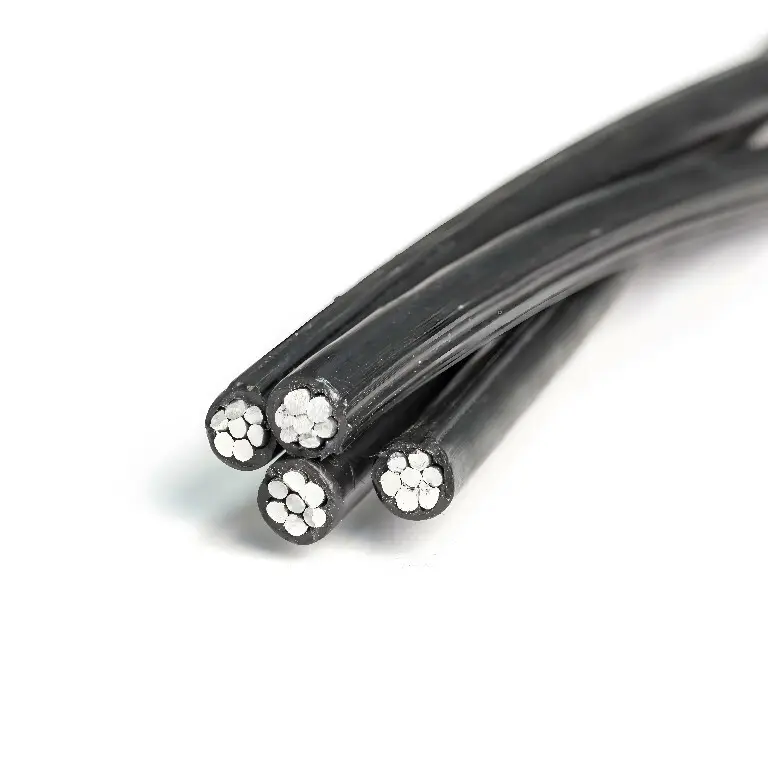
As technology and innovation continue to shape the world of electrical distribution systems, the use of ABC cable has become increasingly prominent. ABC, which stands for Aerial Bundled Cable, is a type of cable that is specifically designed for use in overhead electrical power distribution.
ABC cable offers a number of benefits over traditional bare conductor and overhead line systems. In this article, we will explore the role of ABC cable in electrical distribution systems and understand the benefits it provides.
ABC cable is constructed with insulated phase conductors that are bundled together with a bare neutral conductor. This bundling provides a number of advantages, including improved safety and reliability. By insulating the phase conductors, ABC cable reduces the risk of electrical hazards, such as electric shock or short circuits, which can occur with traditional bare conductor systems.
In addition to safety, ABC cable also offers enhanced performance in terms of electrical distribution. The bundled design of the cable helps to reduce electromagnetic interference, which can improve the overall efficiency of the electrical system. This can result in improved power quality and reduced losses, ultimately leading to cost savings for utility companies and consumers alike.
Furthermore, the use of ABC cable can also lead to a reduction in the need for right-of-way maintenance. The insulated design of the cable reduces the risk of vegetation-related outages, which can occur with traditional bare conductor systems. This can result in fewer interruptions to power supply and reduced maintenance costs for utility companies.
Another key advantage of ABC cable is its flexibility in design and installation. The cable can be easily installed on existing utility poles and can accommodate a variety of configurations, including single-phase, two-phase, and three-phase systems. This flexibility makes it a versatile and cost-effective solution for electrical distribution systems of all sizes.
ABC cable also offers a number of environmental benefits. The reduced need for right-of-way maintenance can result in a decreased impact on natural habitats and ecosystems. Additionally, the insulation of the phase conductors can help to minimize the risk of wildlife-related outages, such as bird or animal contact, further reducing the environmental impact of the electrical distribution system.
In conclusion, ABC cable plays a crucial role in modern electrical distribution systems by providing improved safety, reliability, and performance. Its insulation, bundling, and flexibility make it a superior alternative to traditional bare conductor systems, offering a range of benefits for utility companies, consumers, and the environment. As technology continues to evolve, the use of ABC cable is expected to become even more widespread, further transforming the landscape of electrical distribution systems.
- Advantages of Using ABC Cable over Traditional Distribution System
ABC cable, also known as Aerial Bundled Cable, is a revolutionary advancement in the field of electrical distribution systems. This innovative form of cabling offers numerous advantages over traditional distribution systems, making it the preferred choice for many electrical engineers and utility companies. In this article, we will delve into the numerous benefits of using ABC cable and why it has become an indispensable component of modern electrical distribution systems.
One of the primary advantages of ABC cable over traditional distribution systems is its enhanced safety features. Unlike traditional overhead line systems, ABC cable is insulated, reducing the risk of electrical faults and ensuring the safety of both workers and the general public. With its bundled configuration, ABC cable also eliminates the need for separate insulators, reducing the risk of electrocution and significantly enhancing the overall safety of the distribution system.
In addition to safety, ABC cable offers superior resistance to environmental factors such as UV radiation, moisture, and temperature variations. The use of durable, high-quality materials in the construction of ABC cable ensures its longevity and reliability, making it a cost-effective and low-maintenance solution for electrical distribution systems. Furthermore, the bundled design of ABC cable reduces the risk of damage caused by external elements, such as tree branches or inclement weather, further enhancing its resilience in outdoor settings.
Furthermore, the installation and maintenance of ABC cable is significantly more efficient and cost-effective compared to traditional distribution systems. The bundled configuration of ABC cable allows for easier and faster installation, reducing labor costs and downtime during installation. Additionally, the reduced need for separate insulators and supporting hardware further streamlines the installation process, resulting in substantial time and cost savings for utility companies and electrical contractors.
Moreover, the compact and lightweight nature of ABC cable offers significant advantages in terms of space and resource utilization. By eliminating the need for separate insulators and reducing the overall profile of the distribution system, ABC cable allows for the efficient use of space, particularly in urban and densely populated areas where space is at a premium. This not only reduces the visual impact of overhead lines but also minimizes the need for extensive land acquisition, making it an environmentally friendly solution for electrical distribution.
In conclusion, the advantages of using ABC cable over traditional distribution systems are numerous and undeniable. From enhanced safety and durability to cost-effective installation and efficient space utilization, ABC cable has revolutionized the field of electrical distribution systems and has become the preferred choice for modern applications. As the demand for reliable, efficient, and safe electrical distribution continues to grow, ABC cable is poised to play a crucial role in meeting these needs and driving the advancement of electrical infrastructure.
- Improved Safety and Reliability with ABC Cable in Electrical Distribution Systems
Improved Safety and Reliability with ABC Cable in Electrical Distribution Systems
In the world of electrical distribution systems, safety and reliability are of utmost importance. That's why many professionals in the industry are turning to ABC cable as a solution to improve the performance of their systems. ABC cable, or Aerial Bundle Cable, is a type of overhead power line that provides several key benefits when compared to traditional bare conductor systems. In this article, we will explore the numerous advantages that ABC cable brings to electrical distribution systems, with a focus on the improved safety and reliability it offers.
One of the primary benefits of ABC cable is its enhanced safety features. Traditional bare conductor systems are more susceptible to external factors such as weather and wildlife interference. This can result in power outages, electrical fires, and other hazardous situations. ABC cable, on the other hand, is designed with insulated conductors that provide a protective barrier against these external elements. This insulation reduces the risk of electrical faults and enhances the overall safety of the distribution system.
Furthermore, ABC cable is equipped with a messenger wire that provides additional support and stability to the conductors. This feature minimizes the risk of sagging and eliminates the need for separate support structures, such as poles or towers. As a result, the risk of accidental contact with the conductors is significantly reduced, further enhancing the safety of the system.
In addition to improved safety, ABC cable also offers enhanced reliability in electrical distribution systems. The insulation and messenger wire of ABC cable work together to minimize the occurrence of power interruptions and outages. The insulated conductors reduce the likelihood of electrical faults, while the messenger wire provides added strength and support to the cable. This combination of features results in a more reliable and consistent distribution of power, ultimately leading to improved performance and customer satisfaction.
Moreover, the installation and maintenance of ABC cable are relatively straightforward, which also contributes to its reliability. The absence of separate support structures simplifies the installation process, reducing both time and labor costs. Additionally, the durable construction of ABC cable minimizes the need for frequent maintenance and repairs, further enhancing the overall reliability of the system.
Another noteworthy benefit of ABC cable is its versatility and adaptability to a wide range of applications. Whether in urban, suburban, or rural environments, ABC cable can be utilized in various electrical distribution systems. Its ability to withstand harsh weather conditions, environmental factors, and mechanical stresses makes it an ideal choice for diverse settings. This adaptability ensures that ABC cable can effectively meet the unique needs of different distribution systems, further enhancing its reliability and performance.
In conclusion, ABC cable is a valuable asset to electrical distribution systems, providing improved safety and reliability. Its insulated conductors and messenger wire effectively mitigate the risk of electrical faults and power interruptions, while its versatility allows for seamless integration into various environments. By harnessing the numerous benefits of ABC cable, professionals in the industry can enhance the performance of their distribution systems and ensure the safety and satisfaction of their customers.
- Environmental and Cost Benefits of Implementing ABC Cable in Distribution Networks
ABC cable, short for Aerial Bundle Cable, is an innovative solution for overhead power distribution networks that offers a wide range of environmental and cost benefits. As the world continues to strive towards sustainability and cost-efficiency, the importance of understanding and implementing ABC cable in electrical distribution systems cannot be overstated.
One of the most significant environmental benefits of ABC cable is its ability to reduce electrical losses. Traditional bare overhead conductors are highly dependent on weather conditions, such as wind and rain, which can lead to power outages and electrical losses. In contrast, ABC cable is insulated, providing protection against weather-related damages and reducing the risk of electrical losses. This insulation also reduces the risk of wildlife-related outages, as animals are less likely to come into contact with the live conductors. This decrease in electrical losses helps to conserve energy and minimize the environmental impact of overhead power distribution networks.
Furthermore, the implementation of ABC cable can lead to a significant reduction in the need for deforestation. Traditional overhead power distribution networks often require the clearing of vegetation to make way for bare conductors, leading to the destruction of natural habitats and the loss of greenery. ABC cable, however, can be installed in a more compact and environmentally-friendly manner, minimizing the need for deforestation and preserving the natural landscape.
In addition to its environmental benefits, ABC cable also offers substantial cost advantages for electrical distribution systems. The insulation of the conductors reduces the need for maintenance and repair, resulting in lower operational costs over the lifespan of the system. Furthermore, the compact design of ABC cable allows for more efficient use of space, reducing the need for additional support structures and minimizing installation costs. This cost-efficiency makes ABC cable an attractive option for electrical distribution systems looking to reduce their long-term operational expenses.
Another key cost benefit of ABC cable is its ability to reduce the risk of power outages and interruptions. The insulation of the conductors provides greater reliability and resilience against weather-related damages, leading to fewer disruptions in power supply. This increased reliability can result in lower costs associated with downtime and repair, as well as a higher level of customer satisfaction.
In conclusion, the implementation of ABC cable in electrical distribution systems offers a range of environmental and cost benefits. From reducing electrical losses and the need for deforestation to lowering operational expenses and improving reliability, ABC cable is a solution that aligns with the global push for sustainability and cost-efficiency. As the world continues to prioritize environmental conservation and resource optimization, the understanding and adoption of ABC cable in overhead power distribution networks will play a crucial role in shaping the future of electrical infrastructure.
- Conclusion: The Future of ABC Cable in Electrical Distribution Systems
In recent years, the use of ABC cable in electrical distribution systems has gained traction due to its numerous benefits. As distribution systems continue to evolve, the future of ABC cable is an important consideration for industry professionals. In this article, we will explore the advantages and potential challenges of ABC cable, as well as provide insights into its future in electrical distribution systems.
One of the primary benefits of ABC cable is its versatility and adaptability to various environmental conditions. The rugged construction of ABC cable allows it to withstand harsh weather conditions, making it ideal for use in both urban and rural settings. This durability reduces the need for frequent maintenance and repairs, ultimately resulting in cost savings for utility companies. Additionally, the flexibility of ABC cable allows for easier installation in challenging terrains, further enhancing its suitability for diverse distribution systems.
Another key advantage of ABC cable is its resistance to vandalism and theft. Traditional overhead distribution systems are susceptible to these risks, which can result in disruptions to power supply and additional expenses for repairs. ABC cable, on the other hand, is significantly less attractive to would-be vandals or thieves due to its design and material composition. This helps to enhance the security and reliability of electrical distribution systems, contributing to improved overall performance.
Furthermore, the use of ABC cable can also contribute to enhanced safety in electrical distribution systems. The insulated conductors of ABC cable reduce the risk of accidental contact and electrocution, providing an added layer of protection for both maintenance personnel and the general public. This safety feature is especially crucial in areas with high population density or where overhead distribution systems are in close proximity to residential or commercial buildings.
While the benefits of ABC cable are substantial, there are also considerations for its future in electrical distribution systems. As technology continues to advance, there may be opportunities to further enhance the design and performance of ABC cable. For example, innovations in materials and manufacturing processes could lead to even more durable and efficient ABC cable solutions. Additionally, the integration of smart grid technologies and automation may present new possibilities for optimizing the use of ABC cable within distribution systems.
However, it is important to acknowledge that the widespread adoption of ABC cable may also face challenges. The initial investment required for transitioning to ABC cable infrastructure could be a barrier for some utilities, especially those with limited financial resources. Furthermore, the need for specialized training and equipment for installation and maintenance of ABC cable may also pose a challenge for some utility companies. Overcoming these obstacles will be essential for realizing the full potential of ABC cable in electrical distribution systems.
In conclusion, the future of ABC cable in electrical distribution systems is promising, given its numerous benefits and potential for further innovation. As the industry continues to evolve, it is critical for stakeholders to consider the role of ABC cable in building resilient, secure, and efficient distribution systems. By addressing challenges and seizing opportunities, the integration of ABC cable can contribute to a sustainable and reliable electrical infrastructure for years to come.
Conclusion
In conclusion, ABC cable offers numerous benefits in electrical distribution systems. Its lightweight and compact design make it easy to install and maintain, while its durability and resistance to weather and environmental factors ensure a reliable and long-lasting solution for power distribution. Additionally, the improved insulation and reduced risk of faults make ABC cable a safer option for electrical systems. Overall, the use of ABC cable in electrical distribution systems is a smart investment that can lead to improved efficiency, reduced maintenance costs, and increased safety. By understanding the benefits of ABC cable, electrical professionals can make informed decisions that will ultimately enhance the performance and reliability of their distribution systems.
Table of Contents
GET IN TOUCH WITH Us
The ABC cable/SDW Cable is ready for delivery to the Philippines! www.hnkingyear.com
Ready to work with us?

Find us here:
The cable factory from 2007-2018 are mainly for domestic trading and processing to some export tradingcompanies. The average sales amount are about RMB 320,000,000 per year. For cables oversea market, From last may till now we have expanded our market to Bolivia, Peru, Dominican, Philippines, Vietnam, Thailand, Iraq, Mongolia, Indonesia and some Africa country.
Copyright © 2026 KINGYEAR |Sitemap丨Privacy Polcy