


Please fill out the form below to request a quote or to request more information about us. please be as detailed as possible in your message, and we will get back to you as soon as possible with a response. we're ready to start working on your new project, contact us now to get started.
Understanding The Benefits Of Annealed Bare Copper Conductor In Electrical Applications
2026-06-17
KINGYEAR
45
Are you curious about the advantages of using annealed bare copper conductor in electrical applications? Look no further! In this article, we will delve into the numerous benefits that come with utilizing this type of conductor, from its excellent conductivity to its durability and flexibility. Whether you are a professional in the electrical industry or a curious consumer, understanding the advantages of annealed bare copper conductor can help you make informed decisions for your electrical projects. So, let’s explore the world of annealed bare copper conductor and discover how it can enhance your electrical applications!
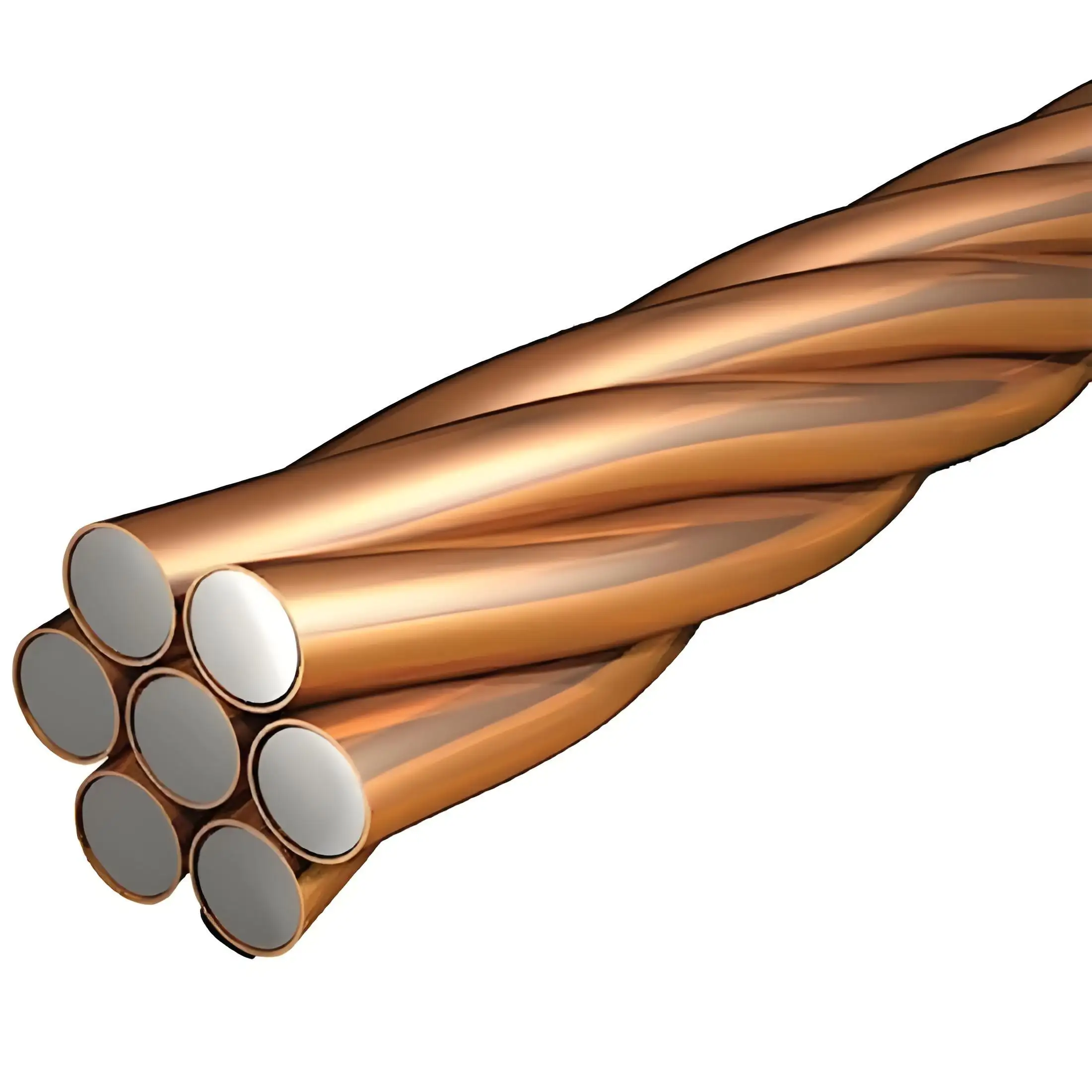
What is Annealed Bare Copper Conductor?
Annealed bare copper conductor is a crucial component in various electrical applications, renowned for its exceptional conductivity and durability. In the realm of electrical engineering, the significance of annealed bare copper conductor cannot be overstated. This article will delve into the intricacies of annealed bare copper conductor, unraveling its properties, benefits, and invaluable role in diverse electrical systems.
Annealed bare copper conductor refers to a type of electrical conductor that is made from pure copper which has been heated and slowly cooled to make it more malleable and ductile. This process, known as annealing, helps to reduce the hardness of the copper, making it more pliable and easier to work with. The resulting conductor exhibits improved flexibility and conductivity, making it ideal for a wide range of electrical applications.
One of the primary benefits of annealed bare copper conductor is its exceptional conductivity. Copper is renowned for its high electrical conductivity, and the annealing process further enhances this property. As a result, annealed bare copper conductors offer low electrical resistance, ensuring efficient transmission of electricity with minimal power loss. This makes them particularly well-suited for applications that demand high conductivity, such as power transmission and distribution systems.
In addition to superior conductivity, annealed bare copper conductors boast excellent thermal conductivity. This means that they can efficiently dissipate heat, preventing overheating and ensuring the safe and reliable operation of electrical equipment. Moreover, the malleability of annealed bare copper conductor allows for easy shaping and termination, facilitating the installation and maintenance of electrical systems.
Furthermore, annealed bare copper conductors are highly resistant to corrosion. The inherent properties of copper, combined with the annealing process, result in a conductor that can withstand the corrosive effects of moisture, chemicals, and other environmental factors. This makes it an ideal choice for outdoor and underground applications, where exposure to harsh conditions is a constant concern.
Another notable advantage of annealed bare copper conductor is its durability. The annealing process imparts greater flexibility and resilience to the copper, ensuring that the conductor can withstand bending, twisting, and other mechanical stresses without compromising its performance. This makes it a reliable and long-lasting solution for a wide array of electrical installations.
In conclusion, annealed bare copper conductor stands out as a superior choice for various electrical applications, thanks to its exceptional conductivity, thermal conductivity, corrosion resistance, and durability. Its versatility and reliability make it a mainstay in power generation, transmission, and distribution systems, as well as in a myriad of industrial, commercial, and residential electrical installations. As the demand for efficient and reliable electrical solutions continues to grow, annealed bare copper conductor remains a steadfast and indispensable ally in the realm of electrical engineering.
The Advantages of Annealed Bare Copper Conductor in Electrical Applications
When it comes to electrical applications, the choice of conductor material is crucial in ensuring optimal performance and safety. Annealed bare copper conductor is a popular choice for many electrical applications due to its numerous advantages over other materials. In this article, we will delve into the benefits of using annealed bare copper conductor in electrical applications, and why it is often the preferred option for many industry professionals.
First and foremost, it is important to understand what annealed bare copper conductor is and how it differs from other types of conductors. Annealed copper is a type of copper that has been heated and cooled in a controlled environment to make it more malleable and ductile, while maintaining its electrical conductivity. The term "bare" refers to the fact that the copper conductor is not insulated, making it suitable for use in open air and dry locations. This combination of features makes annealed bare copper conductor an ideal choice for a wide range of electrical applications.
One of the primary advantages of using annealed bare copper conductor is its excellent conductivity. Copper is one of the most conductive materials available, making it an ideal choice for carrying electrical currents with minimal resistance. This high conductivity not only ensures efficient power transmission, but also helps to reduce energy losses and improve overall system performance. In addition, the annealing process further enhances the copper's conductivity, ensuring that it is able to maintain its high performance over time.
In addition to its superior conductivity, annealed bare copper conductor also boasts excellent thermal conductivity. This means that it is able to effectively dissipate heat generated during operation, reducing the risk of overheating and potential damage to the conductor and surrounding components. This is particularly important in high temperature environments or in applications where there is a high current flow, as it helps to maintain the overall integrity and safety of the electrical system.
Another key benefit of using annealed bare copper conductor is its exceptional corrosion resistance. Copper is naturally resistant to corrosion, making it an ideal choice for outdoor and industrial applications where exposure to moisture and other environmental factors is a concern. By choosing annealed bare copper conductor, you can ensure that your electrical system remains reliable and durable in the face of harsh conditions, ultimately reducing maintenance requirements and prolonging the service life of the conductor.
Furthermore, annealed bare copper conductor is known for its flexibility and ease of installation. Its malleability allows for easy bending and shaping, making it suitable for a variety of wiring configurations and installations. Additionally, the lack of insulation simplifies the installation process, as it eliminates the need for stripping and terminating insulation from the conductor.
In conclusion, the benefits of using annealed bare copper conductor in electrical applications are numerous and significant. Its superior conductivity, thermal conductivity, corrosion resistance, and flexibility make it a highly reliable and versatile choice for a wide range of electrical systems. Whether you are working on a residential, commercial, or industrial project, considering the advantages of annealed bare copper conductor can lead to improved performance, reduced maintenance, and increased safety for your electrical applications.
Applications of Annealed Bare Copper Conductor in Electrical Wiring
Annealed bare copper conductor is an essential component in electrical wiring systems, providing numerous benefits for various applications. This article aims to provide a comprehensive understanding of the benefits of annealed bare copper conductor in electrical applications.
One of the key advantages of annealed bare copper conductor is its high conductivity. Copper is known for its excellent electrical conductivity, and annealing further enhances this property. Annealing is a heat treatment process that improves the flexibility and conductivity of copper, making it an ideal choice for electrical wiring. With its high conductivity, annealed bare copper conductor allows for efficient transmission of electrical power, minimizing energy loss and promoting overall system performance.
In addition to its high conductivity, annealed bare copper conductor offers exceptional corrosion resistance. This is particularly important for electrical applications, as exposure to moisture and other environmental factors can lead to corrosion. Copper naturally forms a protective oxide layer, which further enhances its resistance to corrosion. This characteristic ensures the longevity and reliability of electrical wiring systems, making annealed bare copper conductor a practical choice for both indoor and outdoor applications.
Furthermore, annealed bare copper conductor is highly malleable and ductile, allowing for easy installation and termination. Its flexibility and durability enable it to withstand the stresses and strains associated with electrical wiring, ensuring a secure and reliable connection. This is particularly advantageous in applications where the conductor may need to be bent or routed through tight spaces, as it reduces the risk of damage and maintains the integrity of the electrical system.
Another important benefit of annealed bare copper conductor is its thermal stability. Copper has a high melting point and can effectively dissipate heat, making it suitable for high-temperature environments. This property is crucial in electrical applications where the conductor may be subjected to elevated temperatures, such as in industrial settings or power distribution systems. The thermal stability of annealed bare copper conductor helps to prevent overheating and ensures the safe and efficient operation of electrical systems.
Moreover, annealed bare copper conductor is environmentally friendly and sustainable. Copper is a fully recyclable material, and its long service life means that it can be reused and repurposed, reducing the need for new raw materials. As a result, using annealed bare copper conductor contributes to a more sustainable and eco-friendly approach to electrical wiring, aligning with modern environmental standards and regulations.
In conclusion, annealed bare copper conductor offers a range of benefits for electrical applications, including high conductivity, corrosion resistance, malleability, thermal stability, and sustainability. Its unique properties make it an ideal choice for various wiring systems, providing reliable and efficient performance. By understanding the advantages of annealed bare copper conductor, electricians, engineers, and system designers can make informed decisions when selecting materials for electrical applications, ultimately enhancing the safety and reliability of electrical systems.
Comparison of Annealed Bare Copper Conductor with other Conductor Materials
Annealed bare copper conductor is widely used in electrical applications due to its numerous benefits. In this article, we will explore the advantages of annealed bare copper conductor in comparison to other conductor materials.
First and foremost, it is important to understand what annealed bare copper conductor is. Annealing is a process of heating and then cooling the copper to make it softer and more malleable. This process not only makes the copper easier to work with, but also reduces its electrical resistance, making it an excellent material for conducting electricity. Additionally, the bare copper conductor means that the copper is not covered with any insulating material, allowing for direct contact with other conductors.
One of the main benefits of annealed bare copper conductor is its high conductivity. Copper has one of the highest electrical conductivities of any metal, making it extremely efficient at transmitting electricity. This high conductivity results in lower energy losses and improved efficiency in electrical applications. In comparison to other conductor materials such as aluminum or steel, copper is unparalleled in its ability to conduct electricity with minimal resistance.
Another advantage of annealed bare copper conductor is its excellent thermal conductivity. Copper is known for its ability to quickly and efficiently dissipate heat, making it ideal for applications where heat dissipation is crucial. In contrast, other conductor materials may not be as effective at managing heat, leading to potential overheating and damage to the electrical system.
Furthermore, annealed bare copper conductor is highly durable and resistant to corrosion. Copper does not rust or degrade when exposed to moisture or harsh environments, making it a reliable choice for outdoor and underground applications. This durability ensures a longer lifespan for electrical systems and reduces the need for frequent maintenance and replacements.
In addition to its physical properties, annealed bare copper conductor is also advantageous from a cost perspective. While copper may have a higher upfront cost compared to other conductor materials, its longevity and efficiency result in long-term savings. The minimal maintenance and superior performance of copper make it a cost-effective choice for electrical applications.
It is important to note that while annealed bare copper conductor offers numerous benefits, it is not without its limitations. Copper is a relatively soft metal, which may make it more susceptible to damage from mechanical stress or vibration. Additionally, its higher initial cost may deter some users from choosing copper as their conductor material.
In conclusion, annealed bare copper conductor is a superior choice for electrical applications due to its high conductivity, excellent thermal conductivity, durability, and cost-effectiveness. When compared to other conductor materials, copper stands out as the optimal choice for transmitting electricity with minimal energy loss and maximum efficiency. Understanding the benefits of annealed bare copper conductor is crucial for making informed decisions in electrical system design and installation.
Conclusion: The Importance of Annealed Bare Copper Conductor in Electrical Engineering
In the field of electrical engineering, the choice of conductor material plays a significant role in the performance and reliability of electrical applications. One material that has gained significant attention in recent years is annealed bare copper conductor. This article aims to shed light on the importance of this particular conductor material in electrical engineering, highlighting its benefits and applications.
Annealed bare copper conductor refers to a type of conductor that is made from high-quality copper, which has been annealed to improve its ductility and conductivity. The annealing process involves heating the copper to high temperatures and then slowly cooling it, which helps to remove any internal stresses and improve its overall mechanical properties. As a result, annealed bare copper conductor is highly malleable, making it easier to bend and shape during installation, and also boasts excellent electrical conductivity.
One of the key benefits of annealed bare copper conductor is its superior electrical conductivity. Copper is renowned for its high conductivity, and the annealing process further enhances this property. As a result, annealed bare copper conductor exhibits low electrical resistance, allowing for efficient transmission of electrical current. This makes it an ideal choice for a wide range of electrical applications, including power distribution, grounding systems, and electrical wiring.
Furthermore, the ductility of annealed bare copper conductor makes it particularly well-suited for applications that require flexibility and durability. Unlike other conductor materials, such as aluminum, copper is highly resistant to corrosion and provides excellent mechanical strength. This makes it a reliable choice for outdoor and underground installations, where it may be exposed to harsh environmental conditions.
In addition to its electrical and mechanical properties, annealed bare copper conductor is also cost-effective and environmentally friendly. Copper is abundantly available, and its recycling potential makes it a sustainable choice for the electrical industry. Moreover, the longevity of copper conductor systems reduces the need for frequent maintenance and replacement, resulting in long-term cost savings.
The applications of annealed bare copper conductor are diverse and extensive. In the realm of power distribution, copper conductors are commonly used in overhead and underground transmission lines, as well as within transformer and switchgear systems. Its high conductivity and durability also make it an ideal choice for grounding systems, where a reliable connection to earth is crucial for electrical safety.
In conclusion, the importance of annealed bare copper conductor in electrical engineering cannot be overstated. Its superior electrical conductivity, mechanical strength, and cost-effectiveness make it a highly desirable choice for a wide range of electrical applications. As the demand for reliable and efficient electrical systems continues to grow, the role of annealed bare copper conductor is set to become even more prominent in the field of electrical engineering.
Conclusion
In conclusion, it is clear that annealed bare copper conductors offer numerous benefits in electrical applications. From their high conductivity and corrosion resistance to their cost-effectiveness and durability, these conductors are a reliable and efficient choice for a wide range of electrical projects. Whether used in residential, commercial, or industrial settings, annealed bare copper conductors provide the performance and reliability that is essential for a safe and effective electrical system. By understanding the advantages of utilizing annealed bare copper conductors, electricians and contractors can make informed decisions when selecting the best materials for their electrical applications. Overall, the benefits of annealed bare copper conductors make them an essential component in the electrical industry.
Table of Contents
GET IN TOUCH WITH Us
Ready to work with us?

Find us here:
The cable factory from 2007-2018 are mainly for domestic trading and processing to some export tradingcompanies. The average sales amount are about RMB 320,000,000 per year. For cables oversea market, From last may till now we have expanded our market to Bolivia, Peru, Dominican, Philippines, Vietnam, Thailand, Iraq, Mongolia, Indonesia and some Africa country.
Copyright © 2026 KINGYEAR |Sitemap丨Privacy Polcy