


Please fill out the form below to request a quote or to request more information about us. please be as detailed as possible in your message, and we will get back to you as soon as possible with a response. we're ready to start working on your new project, contact us now to get started.
Understanding The Benefits Of Low Voltage Aerial Bundled Cable For Electrical Distribution
2026-05-12
KINGYEAR
51
Are you looking to upgrade your electrical distribution system? Look no further! In this article, we delve into the benefits of low voltage aerial bundled cable for electrical distribution. From improved safety to cost-effectiveness, this innovative solution has numerous advantages that are worth exploring. Keep reading to discover why low voltage aerial bundled cable is the right choice for your electrical distribution needs.
The Benefits of Low Voltage Aerial Bundled Cable
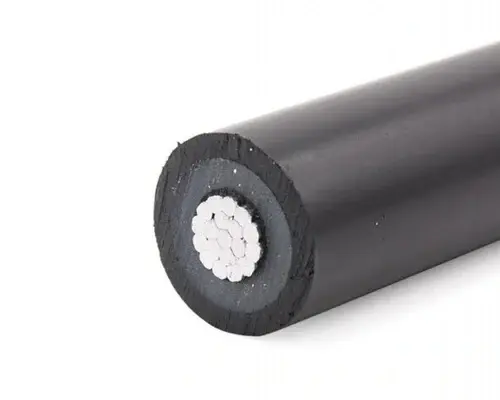
Low voltage aerial bundled cable (LVABC) is a type of electrical cable that is commonly used for overhead power distribution. It consists of multiple insulated conductors bundled together and surrounded by a layer of protective insulation. In recent years, LVABC has become increasingly popular due to its numerous benefits for electrical distribution.
One of the key benefits of low voltage aerial bundled cable is its cost-effectiveness. The installation of LVABC is generally less expensive than traditional overhead power lines, as it requires fewer support structures and less labor. This makes LVABC an attractive option for utility companies and electrical contractors looking to reduce project costs without sacrificing quality and reliability.
In addition to its cost-effectiveness, LVABC offers improved safety compared to traditional overhead power lines. The insulated conductors of LVABC reduce the risk of electrical faults and outages caused by branches, animals, or other environmental factors. This is particularly important in areas with dense foliage or high wildlife activity, where traditional overhead power lines are more susceptible to damage.
Furthermore, LVABC is more aesthetically pleasing than traditional overhead power lines. The bundled design of LVABC results in a more streamlined and visually appealing appearance, making it a preferred choice for residential and urban environments. In addition to its improved aesthetics, LVABC also has a lower profile, which reduces visual clutter and minimizes the impact on the surrounding landscape.
Another important benefit of low voltage aerial bundled cable is its improved reliability and performance. The insulation and bundling of the conductors provide protection against environmental factors such as moisture, UV radiation, and temperature variations, which can degrade the performance of traditional overhead power lines. This increased durability reduces maintenance requirements and extends the service life of the cable, resulting in lower operating costs and improved electrical distribution reliability.
Furthermore, LVABC is easier to install and maintain compared to traditional overhead power lines. The bundled design eliminates the need for individual conductor support, simplifying the installation process and reducing the risk of electrical faults during installation. Additionally, the insulated conductors of LVABC require less maintenance, as they are less susceptible to wear and tear compared to bare conductors.
Finally, LVABC is an environmentally friendly choice for electrical distribution. The reduced maintenance requirements and extended service life of LVABC result in lower resource consumption and a smaller environmental footprint compared to traditional overhead power lines. Additionally, the reduced risk of electrical faults and outages improves the overall reliability of electrical distribution, which benefits both the environment and the end-users.
In conclusion, low voltage aerial bundled cable offers numerous benefits for electrical distribution, including cost-effectiveness, improved safety, enhanced aesthetics, increased reliability and performance, easier installation and maintenance, and environmental sustainability. As the demand for efficient and reliable electrical distribution continues to grow, LVABC has become an increasingly popular choice for utility companies, electrical contractors, and end-users alike.
- An Overview of Low Voltage Aerial Bundled Cable
Low voltage aerial bundled cable (LVABC) is a modern and innovative method of electrical distribution that offers numerous benefits over traditional overhead power lines. This article will provide an in-depth overview of low voltage aerial bundled cable, including its composition, installation process, and the multitude of advantages it offers for electrical distribution.
Low voltage aerial bundled cable is a type of power cable that is used for overhead electrical power distribution. It consists of multiple insulated conductors bundled together, often with a messenger wire for support. These cables are typically made of high-quality, weather-resistant materials such as cross-linked polyethylene (XLPE) or polyvinyl chloride (PVC), which provide excellent insulation and protection against environmental factors such as moisture, UV rays, and temperature fluctuations.
The installation process for low voltage aerial bundled cable is relatively simple and cost-effective compared to traditional overhead power lines. The cables are installed using a series of support structures such as poles or towers, and can be easily attached to existing infrastructure. This eliminates the need for extensive excavation and trenching, reducing both the time and cost of installation. Additionally, the compact design of LVABC allows for more efficient use of space, making it an ideal choice for urban or densely populated areas where space is at a premium.
One of the key advantages of low voltage aerial bundled cable is its enhanced safety features. By enclosing the conductors within an insulated sheath, LVABC minimizes the risk of accidents and electrical hazards, such as short circuits and fires caused by contact with vegetation or other objects. This makes it a safer option for both workers and the general public, and reduces the risk of power outages and service disruptions.
Another major benefit of LVABC is its improved reliability and durability. The insulated design of the cable provides protection against environmental factors and physical damage, resulting in a longer service life and reduced maintenance requirements. Additionally, the use of high-quality materials and advanced manufacturing techniques ensures that LVABC is capable of delivering consistent and reliable power distribution, even under harsh conditions.
In addition to its safety and reliability, low voltage aerial bundled cable also offers significant cost savings and efficiency benefits. The simplified installation process and reduced maintenance requirements result in lower upfront and ongoing operating costs. Furthermore, LVABC is more energy-efficient compared to traditional overhead power lines, due to reduced power losses and improved voltage regulation.
In conclusion, low voltage aerial bundled cable is a highly effective and efficient method of electrical distribution that offers a wide range of benefits over traditional overhead power lines. Its advanced design, enhanced safety features, and cost-effective installation process make it an ideal choice for a variety of applications, from rural electrification projects to urban power distribution networks. By understanding the advantages of LVABC, electrical distributors can make informed decisions to improve their infrastructure and provide reliable and safe power to their customers.
- Advantages for Electrical Distribution Systems
Low voltage aerial bundled cable (LVABC) offers numerous advantages for electrical distribution systems, making it an increasingly popular choice for utilities and other organizations. This article will explore the benefits of LVABC and why it is considered a superior option for electrical distribution.
First and foremost, LVABC is known for its enhanced safety features. By bundling multiple insulated conductors together, LVABC reduces the risk of accidents and injuries that can occur with traditional overhead lines. This makes it an ideal choice for areas with high population density or where safety is a primary concern.
In addition to safety, LVABC also offers improved reliability. The design of LVABC allows for better protection against environmental factors such as moisture, UV radiation, and extreme temperatures. This results in a longer lifespan and reduced maintenance requirements, ultimately leading to lower costs for utilities and their customers.
Furthermore, LVABC is more resistant to electrical faults and outages. The insulation and bundling of conductors reduce the risk of short circuits and other issues that can lead to power interruptions. This improved reliability is especially valuable in areas prone to inclement weather or other external threats.
Another key advantage of LVABC is its cost-effectiveness. While the initial installation costs may be slightly higher than traditional overhead lines, the long-term savings are significant. With reduced maintenance needs and a longer lifespan, LVABC ultimately offers a greater return on investment for utilities and their customers.
From an environmental standpoint, LVABC is also a more sustainable option. The reduced need for maintenance and repairs means fewer resources are required over the lifespan of the cable. Additionally, the insulation of the conductors reduces the risk of wildlife-related outages and other environmental impacts.
LVABC also offers greater flexibility in terms of installation. The bundled design allows for easier and more efficient installation, particularly in areas with limited space or difficult terrain. This can lead to reduced installation time and lower overall costs for utilities.
Furthermore, LVABC is well-suited for urban and suburban areas where aesthetics and space constraints are important considerations. The compact design and reduced visual impact of LVABC make it a preferred choice for locations where traditional overhead lines may be less desirable.
In conclusion, low voltage aerial bundled cable offers a wide range of advantages for electrical distribution systems. From improved safety and reliability to cost-effectiveness and environmental benefits, LVABC is a superior option for utilities and their customers. As the demand for efficient and sustainable electrical distribution solutions continues to grow, LVABC is poised to play an increasingly important role in the future of the industry.
- Considerations for Implementation and Maintenance
Low voltage aerial bundled cables (LVABC) have become increasingly popular for electrical distribution in recent years due to their numerous benefits. This article will explore the considerations for implementing and maintaining LVABCs, as well as the advantages they offer for electrical distribution.
When considering the implementation of LVABCs, there are several important factors to take into account. Firstly, it is essential to assess the specific requirements of the electrical distribution system in question. LVABCs are typically used for low voltage applications, typically up to 1kV, and are suitable for both urban and rural environments. They are particularly well-suited for areas with limited space or where overhead line construction is difficult due to terrain or other constraints. Furthermore, LVABCs are often chosen for their ability to reduce the risk of power outages and improve system reliability, making them an attractive option for distribution networks.
In terms of maintenance, LVABCs offer several advantages over traditional overhead lines. Because they are insulated and bundled together, LVABCs are less susceptible to damage from external factors such as weather, animals, and vegetation. This can significantly reduce the need for ongoing maintenance and repairs, resulting in lower operating costs for distribution companies. Additionally, the insulation of LVABCs provides protection against power surges and faults, improving the overall safety and reliability of the system.
One of the key benefits of LVABCs is their ability to minimize power losses. By reducing the distance between conductors and eliminating the need for overhead line supports, LVABCs can significantly decrease the amount of energy lost during transmission. This not only leads to cost savings for distribution companies but also contributes to overall energy efficiency and sustainability.
Another important consideration for the implementation and maintenance of LVABCs is the environmental impact. Unlike traditional overhead lines, LVABCs are designed to blend in with their surroundings and minimize visual impact. This can be particularly beneficial in urban areas where aesthetics are important, as well as in natural or heritage sites where preserving the landscape is essential. Additionally, the reduced need for maintenance and repairs can help to minimize disruptions to the environment and local communities.
In conclusion, low voltage aerial bundled cables offer numerous benefits for electrical distribution systems. Their ease of implementation, minimal maintenance requirements, and energy efficiency make them an attractive option for distribution companies looking to improve system reliability and reduce operating costs. By considering the specific requirements of the system and the environmental impact, LVABCs can be a valuable addition to any distribution network.
- Future Prospects and Developments in Aerial Bundled Cable Technology
Low voltage aerial bundled cable (LVABC) technology has been an integral part of electrical distribution for many years, providing a safe and reliable means of delivering power to communities around the world. As the world becomes increasingly reliant on electricity for everyday activities, the future prospects and developments in LVABC technology are of great interest to those in the electrical industry.
One of the key benefits of LVABC technology is its ability to simplify the process of electrical distribution. By bundling multiple insulated conductors together and encasing them in a protective sheath, LVABC eliminates the need for individual overhead lines. This not only reduces the visual impact of power lines on the environment, but also minimizes the risk of power outages due to damage from external factors such as trees or severe weather.
In addition to its simplicity, LVABC technology offers significant cost savings compared to traditional overhead power lines. The reduced need for poles, insulators, and other support structures means that installation and maintenance costs are lower, making it an attractive option for utility companies and communities looking to upgrade their electrical infrastructure.
As the demand for electricity continues to grow, the development of LVABC technology is expected to focus on improving its efficiency and performance. This includes advancements in insulation materials, conductor design, and protective sheathing to enhance the durability and conductivity of LVABC. Additionally, advancements in fault detection and monitoring systems will help utility companies quickly identify and address issues with LVABC, further improving its reliability and safety.
Furthermore, future developments in LVABC technology will likely incorporate smart grid capabilities to enable more efficient monitoring and control of power distribution. This will allow utility companies to better manage peak demand, integrate renewable energy sources, and reduce overall energy consumption, ultimately leading to a more sustainable and resilient electrical grid.
The continued growth of LVABC technology also presents opportunities for innovation in related industries, such as construction and telecommunications. As LVABC becomes more widely adopted, there will be an increased demand for trained workers to install and maintain this type of electrical infrastructure, creating job opportunities and economic growth in these sectors.
In conclusion, the future prospects and developments in LVABC technology are promising, with a focus on improving efficiency, reliability, and sustainability. As the world continues to rely on electricity for everyday activities, LVABC technology will play a crucial role in meeting the growing demand for safe and reliable electrical distribution. With ongoing advancements and innovations, LVABC technology is well-positioned to address the challenges of the future and provide long-term benefits for communities and the electrical industry as a whole.
Conclusion
In conclusion, the benefits of low voltage aerial bundled cable for electrical distribution are undeniable. From its enhanced safety features to its cost-effective installation, this type of cable offers numerous advantages for electrical distribution systems. With its ability to minimize power outages and provide reliable power supply, low voltage aerial bundled cable is an excellent choice for various applications. By understanding and utilizing its benefits, we can improve the efficiency and reliability of electrical distribution networks. As technology continues to advance, it is important to consider the advantages of low voltage aerial bundled cable for modern electrical distribution systems.
Table of Contents
GET IN TOUCH WITH Us
Ready to work with us?

Find us here:
The cable factory from 2007-2018 are mainly for domestic trading and processing to some export tradingcompanies. The average sales amount are about RMB 320,000,000 per year. For cables oversea market, From last may till now we have expanded our market to Bolivia, Peru, Dominican, Philippines, Vietnam, Thailand, Iraq, Mongolia, Indonesia and some Africa country.
Copyright © 2026 KINGYEAR |Sitemap丨Privacy Polcy