


Please fill out the form below to request a quote or to request more information about us. please be as detailed as possible in your message, and we will get back to you as soon as possible with a response. we're ready to start working on your new project, contact us now to get started.
Understanding The Importance Of Aerial Bunched Conductor In Power Distribution Systems
2026-05-21
KINGYEAR
36
Welcome to our article on understanding the importance of aerial bunched conductor in power distribution systems. As we rely more and more on electricity to power our modern world, it's essential to understand the key components that make reliable and efficient power distribution possible. In this article, we will delve into the significance of aerial bunched conductor and how it impacts the performance and reliability of power distribution systems. Whether you're a professional in the industry or simply curious about how electricity reaches your home, this article will provide valuable insights into an essential aspect of power distribution. Let's explore the importance of aerial bunched conductor together.
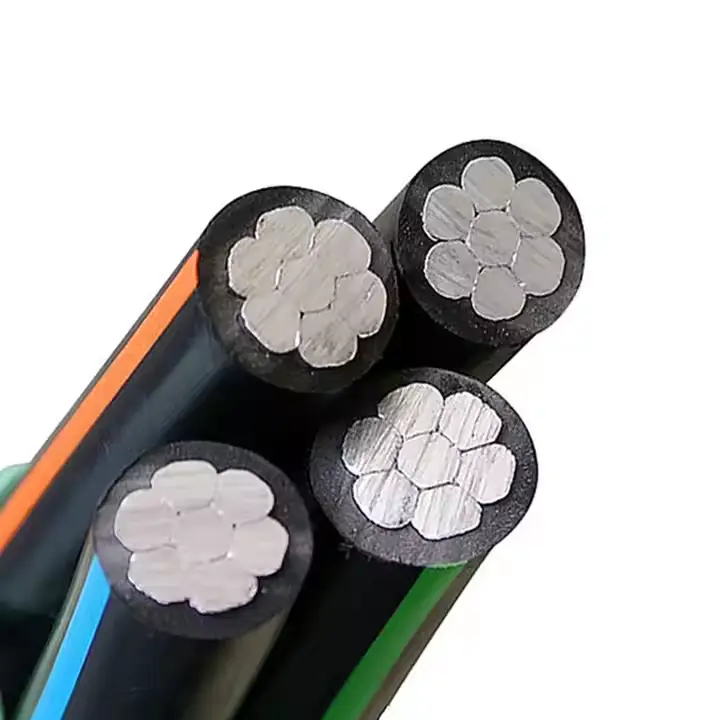
Introduction to Aerial Bunched Conductor in Power Distribution Systems
Aerial bunched conductor (ABC) is a relatively new technology that has revolutionized the way power is distributed in electrical networks. In this article, we will provide an in-depth introduction to aerial bunched conductor in power distribution systems, and explore its importance in modern electrical infrastructure.
To begin with, it is important to understand what aerial bunched conductor actually is. ABC is a system of distributing electrical power using insulated conductors that are bundled together and supported by poles or towers. This method of power distribution offers numerous advantages over traditional overhead power lines, and has gained widespread acceptance in recent years.
One of the key benefits of aerial bunched conductor is its enhanced safety features. By bundling insulated conductors, ABC minimizes the risk of accidental contact with live wires, thus reducing the likelihood of electrical hazards and power outages. Additionally, the use of insulated conductors in ABC also provides protection against environmental factors such as moisture and UV radiation, further enhancing the safety and reliability of the power distribution system.
Furthermore, aerial bunched conductor offers significant cost savings compared to traditional overhead lines. The bundled configuration of ABC reduces the overall amount of materials required, leading to lower installation and maintenance costs. This makes ABC an attractive choice for utility companies and electrical network operators looking to optimize their infrastructure and reduce operational expenses.
In addition to safety and cost benefits, aerial bunched conductor also offers improved performance in power distribution. The insulated conductors used in ABC have higher current-carrying capacity and lower electrical losses, leading to more efficient energy transmission and reduced power wastage. This results in improved voltage regulation and overall system stability, ultimately benefiting end users and the environment alike.
From a technical perspective, the installation and maintenance of aerial bunched conductor is relatively straightforward, making it an attractive option for both new power distribution projects and retrofitting existing infrastructure. The simplicity of the ABC system eliminates the need for complex hardware and specialized tools, while also reducing the time and labor required for installation and upkeep.
In conclusion, aerial bunched conductor plays a crucial role in modern power distribution systems, offering a combination of safety, cost-effectiveness, performance, and ease of installation. As the demand for reliable and efficient electrical infrastructure continues to grow, ABC is expected to become an increasingly integral component of power distribution networks around the world. It is clear that the importance of aerial bunched conductor cannot be overstated, and its impact on the future of electricity transmission and distribution is undeniable.
Advantages of Aerial Bunched Conductor Over Traditional Power Lines
Aerial bunched conductor (ABC) has emerged as a revolutionary technology in power distribution systems, providing a number of advantages over traditional power lines. ABC is a system where multiple insulated conductors are bundled together and supported by a pole or tower. This innovative approach has transformed the way electricity is distributed, offering numerous benefits across various areas.
One of the primary advantages of aerial bunched conductor is its improved safety features. Unlike traditional power lines, ABC significantly reduces the risk of electrocution and electrical fires. The insulated conductors minimize the chances of accidental contact, making it a safer option for both workers and the general public. Additionally, the bundled configuration enhances the structural integrity of the system, reducing the risk of conductor breakage and other potential hazards.
Furthermore, aerial bunched conductor offers cost efficiency in the long run. While the initial installation costs may be higher than traditional power lines, the reduced maintenance and repair expenses make ABC a more economical choice over time. The durability and reliability of the system contribute to its cost-effectiveness, as it requires minimal upkeep and has a longer service life compared to conventional power lines.
In terms of environmental impact, aerial bunched conductor proves to be a sustainable option for power distribution. The use of insulated conductors reduces the risk of wildlife electrocution and minimizes the impact on the surrounding ecosystem. Moreover, the compact design of ABC minimizes the need for large-scale clearances, preserving the natural landscape and reducing the overall environmental footprint of power distribution systems.
Another significant advantage of ABC is its versatility and adaptability in various environments. Whether installed in urban areas or rural settings, aerial bunched conductor can accommodate different terrains and installation requirements. The flexibility of the system allows for efficient power distribution in diverse locations, making it a practical solution for expanding electricity access to remote areas.
Additionally, the use of aerial bunched conductor enhances the overall efficiency of power distribution. The bundled configuration reduces the losses associated with traditional power lines, improving the transmission of electricity and reducing energy wastage. This results in a more reliable and consistent supply of power to end consumers, ultimately enhancing the quality of electricity service.
Moreover, the deployment of aerial bunched conductor contributes to the modernization of power distribution infrastructure. With its advanced technology and improved performance, ABC facilitates the upgrading of aging power systems, ensuring a more robust and resilient distribution network. This is particularly crucial in meeting the growing demands for electricity in an increasingly electrified world.
In conclusion, aerial bunched conductor has emerged as a game-changing technology in power distribution systems, offering a myriad of advantages over traditional power lines. Its enhanced safety features, cost efficiency, environmental sustainability, versatility, and improved efficiency make ABC a compelling choice for modernizing and optimizing power distribution infrastructure. As the demand for reliable and sustainable electricity continues to rise, the importance of aerial bunched conductor in shaping the future of power distribution cannot be overstated.
Safety and Reliability Factors of Aerial Bunched Conductor
Aerial Bunched Conductor (ABC) has become an integral component in power distribution systems due to its safety and reliability factors. In the past, traditional bare conductors were used for power distribution, but with the advent of ABC, the industry has seen a significant improvement in the safety and reliability of power distribution networks.
The safety factor of aerial bunched conductors is one of the main reasons for its widespread use in power distribution systems. Unlike traditional bare conductors, ABCs are insulated and bundled together, which significantly reduces the risk of electrical hazards such as short circuits and electrocution. The insulation on ABCs also protects them from environmental factors such as moisture and pollution, further enhancing the safety of power distribution networks.
Moreover, the reliability factor of aerial bunched conductors is a crucial aspect of their importance in power distribution systems. ABCs are designed to withstand extreme weather conditions, making them more reliable than traditional bare conductors. Their bundled construction also reduces the chances of power outages and line failures, resulting in a more reliable power distribution network. Additionally, the use of ABCs reduces the need for frequent maintenance, leading to cost savings and improved overall system reliability.
Another important factor to consider is the operational efficiency of aerial bunched conductors. The use of ABCs results in reduced transmission losses, improved voltage regulation, and enhanced system stability. This ultimately leads to better energy efficiency and lower operational costs for power distribution companies.
In addition to the safety and reliability benefits, aerial bunched conductors also offer environmental advantages. Their insulated design and reduced maintenance requirements result in fewer environmental impacts compared to traditional bare conductors. The implementation of ABCs in power distribution systems aligns with the industry's efforts to reduce carbon emissions and promote sustainable energy practices.
Overall, the importance of aerial bunched conductors in power distribution systems cannot be overstated. Their safety and reliability factors, in addition to their operational efficiency and environmental benefits, make them an essential component in modern power distribution networks. As the industry continues to evolve, it is crucial to recognize the significance of ABCs and their contribution to a safer, more reliable, and sustainable power distribution infrastructure.
Deployment and Installation Considerations for Aerial Bunched Conductor
In power distribution systems, the deployment and installation of aerial bunched conductor play a crucial role in ensuring efficient and reliable electricity supply. Aerial bunched conductors are an innovative and cost-effective alternative to traditional overhead power line systems, providing numerous benefits for power distribution networks. This article aims to explore the importance of aerial bunched conductors and delve into the considerations for their deployment and installation.
Aerial bunched conductor, also known as bundled conductor or aerial bundled cable, is a system where multiple insulated conductors are bundled together and supported by poles or structures. This configuration offers several advantages over traditional bare conductor lines, including increased safety, reduced power outages, and improved reliability. Additionally, aerial bunched conductors are less susceptible to theft and vandalism, making them an attractive option for power distribution in various settings.
One of the key considerations for deploying aerial bunched conductors is the choice of suitable materials and design. These conductors are typically manufactured using aluminum or copper conductors with cross-linked polyethylene (XLPE) insulation. The choice of materials and insulation plays a critical role in ensuring the long-term performance and reliability of the aerial bunched conductor system. Furthermore, the design of the conductor must adhere to industry standards and regulations to guarantee safe and efficient operation.
Another crucial aspect of aerial bunched conductor deployment is the selection of appropriate support structures and installation methods. The spacing and arrangement of poles or supports must be carefully planned to accommodate the conductor's configuration and load requirements. Furthermore, proper tensioning and sagging techniques are essential to ensure the stability and longevity of the aerial bunched conductor system. Additionally, the installation process should address environmental considerations such as wind loading, ice accumulation, and exposure to UV radiation.
Furthermore, the deployment and installation of aerial bunched conductors require meticulous planning and coordination with local authorities and stakeholders. This includes obtaining necessary permits, rights-of-way, and addressing any environmental or community concerns. Effective communication and collaboration with utility companies, engineering firms, and regulatory bodies are essential for successful deployment and installation of aerial bunched conductor systems.
In conclusion, the deployment and installation of aerial bunched conductors are integral components of modern power distribution systems. The numerous advantages of aerial bunched conductors, including increased safety, reliability, and cost-effectiveness, make them a preferred choice for power distribution networks. Careful consideration of materials, design, support structures, and installation methods is paramount to the successful implementation of aerial bunched conductor systems. By adhering to industry standards and regulations, as well as engaging in proactive planning and coordination, power distribution companies can harness the full potential of aerial bunched conductors to deliver efficient and sustainable electricity supply to consumers.
Overall, the deployment and installation of aerial bunched conductor requires careful planning and consideration to ensure efficient and reliable power distribution systems.
Future Trends and Developments in Aerial Bunched Conductor Technology
Aerial Bunched Conductor (ABC) technology has quickly become an integral part of power distribution systems around the world. This innovative method of transmitting electricity has revolutionized the way power is distributed, providing numerous benefits in comparison to traditional overhead power lines.
One of the most significant advantages of ABC technology is its ability to enhance the safety and reliability of power distribution systems. By bundling multiple insulated conductors together and suspending them from poles, ABC systems minimize the risk of electrical accidents and power outages. This is especially important in areas with harsh weather conditions, as ABC technology is less susceptible to damage from wind, ice, and other environmental factors.
Furthermore, the use of ABC technology can significantly reduce the need for maintenance and repairs, ultimately saving time and resources for power distribution companies. The insulated design of ABC systems minimizes the risk of electrical faults and short circuits, resulting in fewer disruptions to the power supply. Additionally, the durability of ABC technology means that it has a longer lifespan than traditional overhead power lines, further reducing maintenance costs over time.
In addition to its enhanced safety and reliability, ABC technology also offers environmental benefits. The use of insulated conductors reduces the risk of wildlife coming into contact with live wires, making ABC systems a more environmentally friendly option for power distribution. Furthermore, the reduced need for maintenance and repairs means that ABC technology has a lower impact on the surrounding ecosystem, making it a sustainable choice for power distribution systems.
Looking towards the future, there are several exciting trends and developments in ABC technology that have the potential to further improve the efficiency and effectiveness of power distribution systems. One of the most notable trends is the increasing use of advanced materials in the design and manufacturing of ABC systems. By utilizing materials with superior strength and durability, such as composite insulators and high-performance conductors, ABC technology can continue to push the boundaries of reliability and longevity in power distribution.
Another future development in ABC technology is the integration of smart grid capabilities. As power distribution systems become more interconnected and intelligent, ABC technology can play a key role in optimizing the flow of electricity and improving overall system efficiency. By incorporating sensors and communication technologies into ABC systems, power distribution companies can gain valuable insights into the performance of their networks, allowing for proactive maintenance and enhanced grid reliability.
In conclusion, the importance of aerial bunched conductor technology in power distribution systems cannot be overstated. From its enhanced safety and reliability to its environmental benefits, ABC technology offers a multitude of advantages over traditional overhead power lines. Looking ahead, the future trends and developments in ABC technology promise to further elevate the efficiency and effectiveness of power distribution systems, ensuring a reliable and sustainable electricity supply for years to come.
Conclusion
As we have explored in this article, aerial bunched conductors play a critical role in power distribution systems. From their ability to improve overall system reliability, reduce maintenance costs, and enhance safety measures, it is clear that these conductors are a vital component in modern power distribution networks. By understanding the importance of aerial bunched conductors, we can better appreciate the advancements and innovations that have been made in power distribution systems. With their numerous benefits, it is evident that aerial bunched conductors will continue to be an integral part of powering our world for years to come.
Table of Contents
GET IN TOUCH WITH Us
Ready to work with us?

Find us here:
The cable factory from 2007-2018 are mainly for domestic trading and processing to some export tradingcompanies. The average sales amount are about RMB 320,000,000 per year. For cables oversea market, From last may till now we have expanded our market to Bolivia, Peru, Dominican, Philippines, Vietnam, Thailand, Iraq, Mongolia, Indonesia and some Africa country.
Copyright © 2026 KINGYEAR |Sitemap丨Privacy Polcy