


Please fill out the form below to request a quote or to request more information about us. please be as detailed as possible in your message, and we will get back to you as soon as possible with a response. we're ready to start working on your new project, contact us now to get started.
Understanding The Importance Of Aerial Bundle Cable Size: What You Need To Know
2026-05-13
KINGYEAR
51
Are you looking to learn more about aerial bundle cable size and its importance? Look no further! In this article, we will be delving into the key factors that make understanding the size of aerial bundle cables essential for any electrical project. Whether you are a professional electrician, a homeowner looking to upgrade your electrical system, or simply someone interested in learning more about cables, this article will provide you with valuable insights that you need to know. So, keep reading to uncover the significance of aerial bundle cable size and how it can impact your electrical installations.
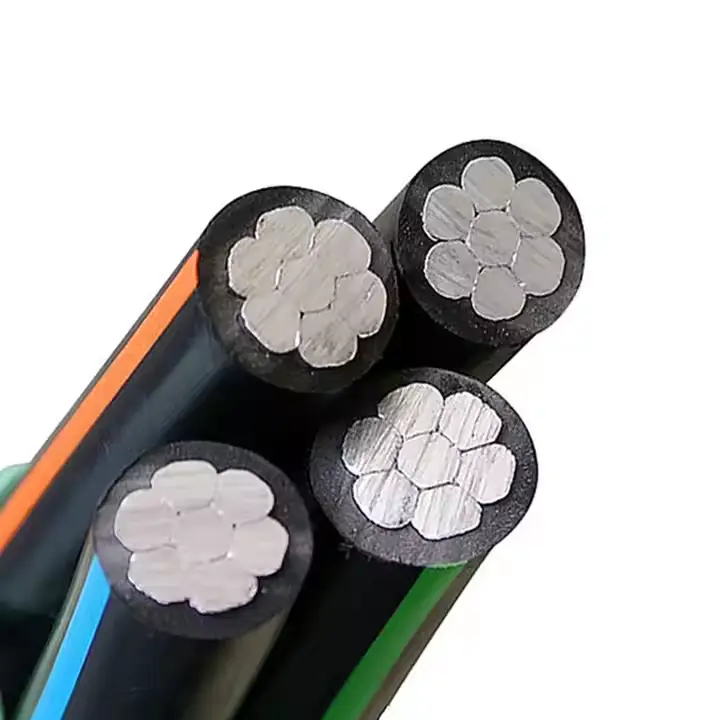
- Introduction to Aerial Bundle Cable Size
to Aerial Bundle Cable Size
Aerial bundle cables are a type of power cable commonly used for overhead power distribution. The size of the aerial bundle cable plays a crucial role in ensuring the efficient and reliable transmission of electricity. In this article, we will discuss the importance of aerial bundle cable size and what you need to know about it.
The size of the aerial bundle cable refers to the cross-sectional area of the conductor, which is measured in square millimeters (mm2). The size of the cable is an essential consideration in its design and installation, as it directly impacts the cable's capacity to carry electrical current and its voltage drop characteristics.
One of the key factors to consider when determining the appropriate size of aerial bundle cable is the expected load or demand. The size of the cable must be able to accommodate the maximum current that will be drawn through it without overheating or causing excessive voltage drops. Additionally, the cable size must also be suitable for the voltage at which the power will be transmitted, as well as the length of the transmission line.
Over-sizing the aerial bundle cable can lead to unnecessary costs, as larger cables are more expensive and require larger supporting structures for installation. On the other hand, undersized cables can result in overheating, voltage drops, and even damage to the electrical system. Therefore, choosing the right size of the aerial bundle cable is crucial for achieving optimal and cost-effective power transmission.
In addition to considering the electrical load, the environmental conditions in which the aerial bundle cable will be installed must also be taken into account. Factors such as temperature, wind, and ice loading can affect the cable's performance, and the size of the cable must be chosen to withstand these conditions. For example, in regions with high wind or ice loading, larger cables may be required to ensure the cable's mechanical strength and durability.
Furthermore, the choice of aerial bundle cable size also impacts the overall efficiency and reliability of the power distribution system. Properly sized cables can reduce energy losses and improve the system's voltage regulation, resulting in more efficient power transmission. Additionally, the use of the correct cable size can minimize the need for costly maintenance and repairs, thus ensuring the reliability of the electrical infrastructure.
In conclusion, the size of the aerial bundle cable is a critical factor in the design and installation of overhead power distribution systems. It is essential to carefully consider the electrical load, environmental conditions, and the overall efficiency and reliability of the system when determining the appropriate cable size. By selecting the right size of the aerial bundle cable, it is possible to achieve efficient, reliable, and cost-effective power transmission.
- Factors Affecting Aerial Bundle Cable Size
Aerial bundle cables (ABC) are a type of electrical cable used for overhead power distribution. They are commonly used in urban areas where space is limited and underground cabling is not feasible. The size of the aerial bundle cable is an important factor in determining its performance and suitability for specific applications. In this article, we will explore the factors that affect aerial bundle cable size, and why it is important to understand these considerations.
One of the key factors that affect aerial bundle cable size is the voltage rating. The voltage rating of a cable determines its ability to carry a specific amount of electrical current without overheating or causing a voltage drop. Higher voltage ratings require larger conductor sizes to accommodate the increased electrical load. Therefore, the voltage rating of the power distribution system will directly influence the size of the aerial bundle cable that is required.
Another factor that affects aerial bundle cable size is the current carrying capacity. The current carrying capacity of a cable is determined by its conductor size and insulation material. The conductor size is directly related to the amount of current that the cable can carry without exceeding its temperature rating. Larger conductor sizes have a higher current carrying capacity, and therefore, are capable of handling larger electrical loads. It is important to select the appropriate aerial bundle cable size to ensure that it can safely carry the expected electrical load without overheating.
Furthermore, the environmental conditions where the aerial bundle cable will be installed also impact its size. Factors such as temperature, humidity, and exposure to sunlight can affect the performance and longevity of the cable. For example, cables installed in hot climates may require larger conductor sizes to compensate for the increased heat dissipation, while cables installed in coastal areas may require special corrosion-resistant coatings. Considering these environmental factors is crucial in determining the appropriate size of the aerial bundle cable to ensure its reliability and safety.
In addition to the technical aspects, the physical dimensions of the aerial bundle cable also play a significant role in determining its size. Factors such as the distance of the cable span, the angle of sag, and the mechanical stress from wind and ice loading must be considered when selecting the appropriate cable size. These factors directly impact the mechanical strength and structural integrity of the cable, and ultimately, its ability to withstand the environmental and load conditions.
In conclusion, the size of an aerial bundle cable is influenced by various factors, including the voltage rating, current carrying capacity, environmental conditions, and physical dimensions. Understanding these factors is crucial in selecting the appropriate cable size for a specific application to ensure reliable and safe power distribution. By considering these factors, electrical engineers and designers can make informed decisions to optimize the performance and longevity of aerial bundle cables in power distribution systems.
- Importance of Choosing the Right Aerial Bundle Cable Size
Aerial Bundle Cable Size: Why It Matters
When it comes to choosing the right aerial bundle cable size, it is essential to understand the significance of this decision. The size of the aerial bundle cable plays a crucial role in determining the performance, safety, and longevity of the electrical system it is installed in. In this article, we will explore the importance of selecting the right aerial bundle cable size and the factors that should be considered when making this decision.
Performance
Choosing the right aerial bundle cable size is crucial for ensuring optimal performance of the electrical system. A cable that is too small may not be able to handle the electrical load, leading to overheating, voltage drops, and potential system failure. On the other hand, a cable that is too large may result in higher costs and reduced efficiency. By selecting the correct size of aerial bundle cable, you can ensure that the electrical system operates at its best, delivering reliable power to the intended destination.
Safety
The safety of the electrical system and all those who come into contact with it is of utmost importance. The aerial bundle cable size directly impacts the safety of the system by influencing its ability to handle the electrical load without overheating or causing other potential hazards. Choosing the right size of aerial bundle cable can help prevent accidents, fires, and damage to the electrical infrastructure. It is essential to consider the environment in which the cable will be installed, the potential for heavy loads, and any other factors that may impact the safety of the system when determining the appropriate cable size.
Longevity
The longevity of the electrical system is also tied to the choice of the aerial bundle cable size. A cable that is too small or too large may suffer from premature wear and tear, which can result in costly repairs and replacements. By selecting the right size of aerial bundle cable, you can ensure that the electrical system operates efficiently and effectively, prolonging its lifespan and reducing the need for frequent maintenance.
Factors to Consider
When deciding on the right aerial bundle cable size, there are several factors that should be taken into account. These include the electrical load that the cable will need to handle, the length of the cable run, the ambient temperature of the installation location, and any potential future expansions or modifications to the electrical system. Consulting with a qualified electrical engineer or professional can help in determining the appropriate size of aerial bundle cable for the specific requirements of the system.
In conclusion, choosing the right aerial bundle cable size is crucial for the performance, safety, and longevity of the electrical system. By considering the factors that influence the selection of the cable size and consulting with professionals, you can ensure that the electrical system operates at its best, delivering reliable power while minimizing potential hazards and maintenance needs. The importance of selecting the right aerial bundle cable size cannot be overstated, and it is essential to give careful consideration to this decision.
- Considerations for Aerial Bundle Cable Size in Different Applications
Aerial bundle cable size plays a crucial role in the efficient and effective functioning of various electrical applications. Understanding the importance of aerial bundle cable size is essential for ensuring the safety and reliability of electrical systems. Whether it is for overhead power distribution, street lighting, or other utility applications, selecting the right aerial bundle cable size is critical for meeting the specific requirements of different applications.
When it comes to aerial bundle cable size, there are several considerations that need to be taken into account. One of the key factors to consider is the voltage rating of the cable, as this determines the amount of electrical load the cable can safely carry without overheating or causing voltage drop. The size of the conductor within the cable also plays a crucial role in determining its ampacity and current-carrying capacity. Additionally, factors such as environmental conditions, installation requirements, and system design considerations also influence the selection of aerial bundle cable size.
For overhead power distribution applications, the selection of aerial bundle cable size is critical for ensuring the efficient transmission of electrical power across long distances. The size of the aerial bundle cable is directly related to the amount of power that can be transmitted without excessive voltage drop or power losses. In areas with high electrical demand, larger aerial bundle cable sizes are typically used to accommodate the higher power requirements. Additionally, factors such as temperature, wind loading, and mechanical stresses also influence the selection of aerial bundle cable size for overhead power distribution.
In street lighting applications, the selection of aerial bundle cable size is important for ensuring the proper illumination of streets and public areas. The size of the aerial bundle cable determines the amount of electrical power that can be delivered to the lighting fixtures without causing voltage drop or power losses. Additionally, the selection of the cable size is also influenced by factors such as the distance of the lighting fixtures from the power source, the number of fixtures being powered, and the design of the lighting system.
In other utility applications, such as telecommunication and signaling systems, the selection of aerial bundle cable size is important for ensuring reliable and uninterrupted communication. The size of the cable is determined based on the specific communication requirements, such as data transmission rates, signal quality, and system reliability. Additionally, factors such as electromagnetic interference, layout of the communication network, and environmental conditions also influence the selection of aerial bundle cable size for utility applications.
In conclusion, the selection of aerial bundle cable size is critical for ensuring the safe and reliable operation of various electrical applications. Considerations such as voltage rating, conductor size, environmental conditions, and system design play a crucial role in determining the appropriate cable size for different applications. By understanding the importance of aerial bundle cable size and considering the specific requirements of each application, electrical engineers and designers can ensure the efficient and effective functioning of electrical systems.
- Expert Tips for Selecting the Optimal Aerial Bundle Cable Size
Aerial bundle cable size plays a crucial role in ensuring the efficient and effective transmission of electricity. Selecting the optimal size for aerial bundle cables is essential for maintaining the integrity and reliability of power distribution systems. In this article, we will delve into the importance of aerial bundle cable size and provide expert tips for selecting the optimal size for various applications.
The size of an aerial bundle cable refers to the cross-sectional area of the conductor. It is measured in square millimeters and is a key factor in determining the cable's current-carrying capacity and voltage drop. Choosing the right size of aerial bundle cable is essential to ensure that it can handle the electrical load without overheating and causing power losses.
When selecting the optimal aerial bundle cable size, there are several factors that need to be taken into consideration. These factors include the maximum current the cable will carry, the length of the cable run, the ambient temperature, and the voltage drop allowed. Additionally, the type of insulation and conductor material can also impact the cable size selection.
One of the primary considerations in determining the optimal aerial bundle cable size is the maximum current the cable will carry. The cable size must be capable of handling the peak load without exceeding its current-carrying capacity, which can lead to overheating and insulation damage. It is crucial to calculate the maximum current based on the connected load and the type of electrical equipment being powered.
The length of the cable run also plays a role in determining the optimal aerial bundle cable size. Longer cable runs result in higher electrical resistance and greater voltage drop. To minimize voltage drop, larger cable sizes may be required for longer runs. It is important to take into account the distance between the power source and the load to accurately determine the appropriate cable size.
Ambient temperature is another factor that must be considered when selecting the optimal aerial bundle cable size. Cables operating in high-temperature environments will experience reduced current-carrying capacity, resulting in the need for larger cable sizes. It is essential to take into account the ambient temperature at the installation location to ensure that the cable size selected can handle the expected operating conditions.
The voltage drop allowed in the electrical system is a critical factor in determining the aerial bundle cable size. Excessive voltage drop can lead to power quality issues and inefficient operation of electrical equipment. By calculating the maximum allowable voltage drop, the appropriate cable size can be selected to ensure that the voltage drop does not exceed acceptable limits.
In conclusion, the selection of the optimal aerial bundle cable size is a critical aspect of designing and installing power distribution systems. By considering factors such as maximum current, cable length, ambient temperature, and voltage drop, it is possible to determine the appropriate cable size for various applications. Careful consideration of these factors will ensure that the aerial bundle cable can effectively and efficiently transmit electricity while maintaining the integrity of the power distribution system.
Conclusion
In conclusion, understanding the importance of aerial bundle cable size is crucial for ensuring the efficient and safe transmission of electricity. From considering voltage drop and ampacity to determining the appropriate size for specific applications, there are various factors to take into account when selecting the right cable size. By recognizing the significance of cable size and making informed decisions, we can optimize the performance of electrical systems and minimize the risk of overloading or damage. With the knowledge and awareness gained from this article, you are better equipped to make informed choices and ensure the reliability and safety of aerial bundle cables in various settings. Remember, the right cable size is not just about meeting standards, it's about ensuring the functionality and integrity of electrical systems.
Table of Contents
GET IN TOUCH WITH Us
Ready to work with us?

Find us here:
The cable factory from 2007-2018 are mainly for domestic trading and processing to some export tradingcompanies. The average sales amount are about RMB 320,000,000 per year. For cables oversea market, From last may till now we have expanded our market to Bolivia, Peru, Dominican, Philippines, Vietnam, Thailand, Iraq, Mongolia, Indonesia and some Africa country.
Copyright © 2026 KINGYEAR |Sitemap丨Privacy Polcy