


Please fill out the form below to request a quote or to request more information about us. please be as detailed as possible in your message, and we will get back to you as soon as possible with a response. we're ready to start working on your new project, contact us now to get started.
Understanding The Importance Of Bare Aluminum Ground Wire In Electrical Systems
2026-06-09
KINGYEAR
17
Are you aware of the crucial role that bare aluminum ground wires play in electrical systems? Understanding the importance of these wires is essential for ensuring the safety and reliability of your electrical infrastructure. In this article, we will delve into the significance of bare aluminum ground wires and how they contribute to the overall functionality of electrical systems. By gaining a better understanding of this fundamental component, you can make informed decisions about your electrical setup and improve its performance. Whether you are a homeowner, electrician, or industry professional, this article will provide valuable insights into the importance of bare aluminum ground wires in electrical systems.
The Role of Grounding in Electrical Systems
When it comes to electrical systems, the role of grounding is a crucial aspect that cannot be overlooked. Grounding refers to the process of connecting electrical systems to the earth or a conductive body that serves as a reference point for the system's voltage. This connection provides a path for the dissipation of electrical faults and ensures the safety and proper functioning of the electrical system. In this article, we will delve into the importance of the bare aluminum ground wire in electrical systems and the pivotal role it plays in ensuring the safety and effectiveness of the system.
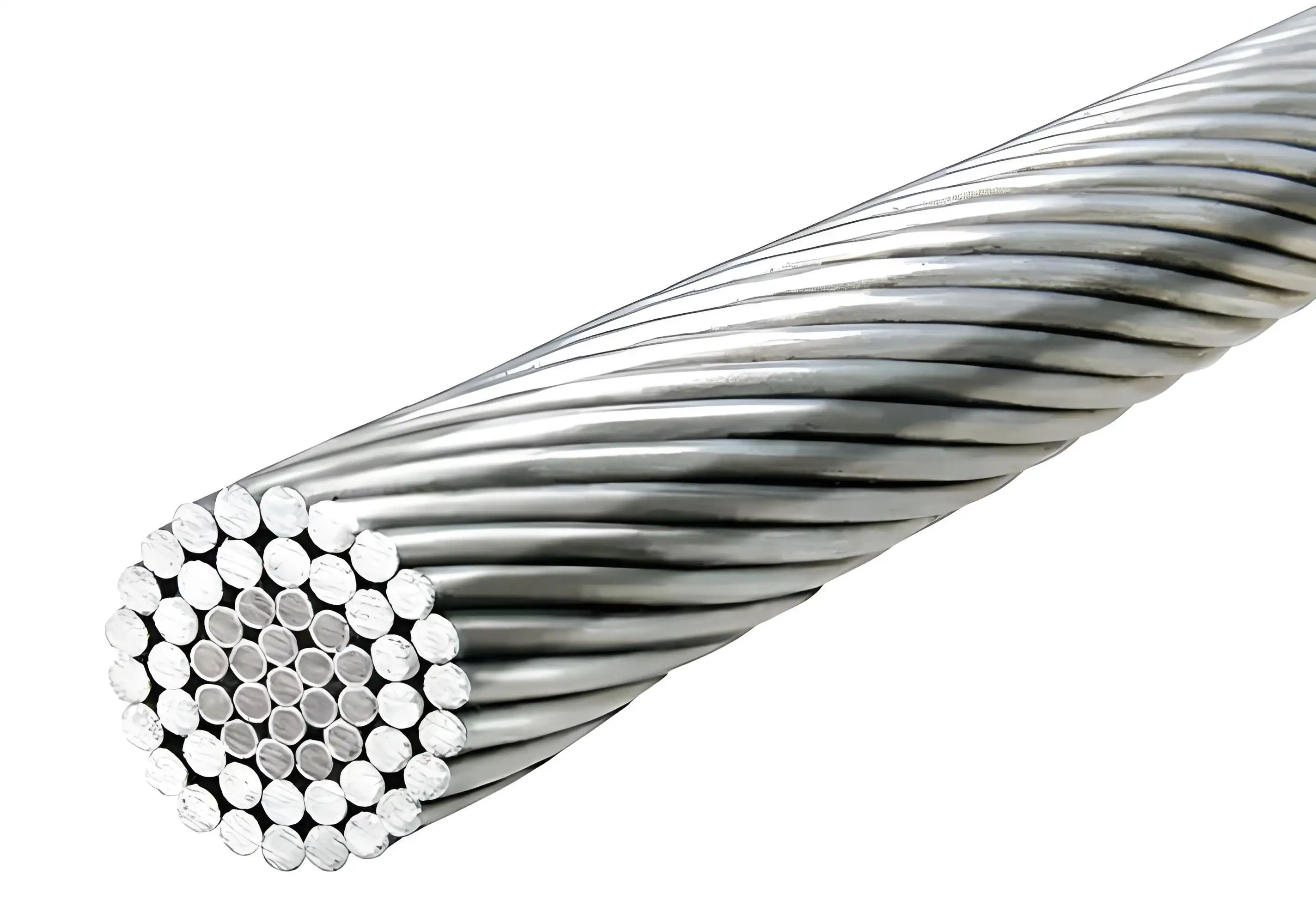
The bare aluminum ground wire is an essential component of electrical systems, serving as the conductor that connects the system to the earth. Aluminum is a widely used material for ground wires due to its excellent conductivity and corrosion resistance, making it a reliable choice for this critical application. The bare nature of the wire is also significant, as it allows for direct contact with the earth, providing a low-impedance path for fault currents to dissipate safely.
One of the primary functions of the bare aluminum ground wire is to provide a path for fault currents to flow in the event of an electrical fault. When a fault occurs, such as a short circuit or a stray voltage, the ground wire ensures that the excess current is safely redirected to the earth, preventing potential damage to equipment and reducing the risk of electrical fires. Without a proper grounding system in place, fault currents can pose a significant hazard to both the electrical system and the individuals working with or around it.
Furthermore, the presence of a bare aluminum ground wire is essential for ensuring the effectiveness of surge protection devices. Surges, or sudden increases in voltage, can occur due to lightning strikes, power grid fluctuations, or switching operations within the electrical system. Without a proper grounding system, these surges can wreak havoc on sensitive electronic equipment, leading to irreversible damage. The ground wire provides a pathway for the dissipation of these surges, diverting the excess voltage safely into the earth and protecting the integrity of the electrical system.
In addition to its role in fault current dissipation and surge protection, the bare aluminum ground wire also plays a crucial role in safeguarding individuals from the dangers of electric shock. When properly grounded, the electrical system provides a low-resistance path for stray voltages to be safely redirected to the earth, reducing the risk of electric shock in the event of a fault. This is especially important in industrial settings and buildings with a high concentration of electrical equipment, where the potential for electrical hazards is greater.
In conclusion, the role of the bare aluminum ground wire in electrical systems cannot be overstated. From providing a path for fault currents and surges to safeguarding individuals from the dangers of electric shock, the ground wire is a fundamental component that ensures the safety and reliability of the electrical system. By understanding the importance of grounding and the pivotal role of the bare aluminum ground wire, electrical professionals and individuals alike can work towards creating safer and more effective electrical systems.
Benefits of Using Bare Aluminum Wire for Grounding
Bare aluminum ground wire is an essential component in electrical systems, providing a range of benefits that ensure the safety and functionality of the overall system. With its unique properties and characteristics, bare aluminum wire offers significant advantages for grounding applications, making it a preferred choice for electrical professionals and homeowners alike.
One of the primary benefits of using bare aluminum wire for grounding is its exceptional conductivity. Aluminum is a highly conductive material, allowing for the efficient dissipation of electrical currents to the ground. This is crucial for maintaining a stable electrical system and preventing the build-up of excess voltage, which can lead to equipment damage and safety hazards. Additionally, the high conductivity of bare aluminum wire ensures minimal resistance, enabling the efficient flow of electricity through the grounding system.
In addition to its excellent conductivity, bare aluminum wire is also highly durable and resistant to corrosion. This makes it particularly well-suited for outdoor and underground applications, where exposure to moisture and environmental elements can compromise the integrity of other types of wire. The inherent corrosion resistance of bare aluminum wire ensures long-term reliability and performance, even in challenging operating conditions. As a result, grounding systems utilizing bare aluminum wire are known for their longevity and minimal maintenance requirements.
Furthermore, the lightweight nature of bare aluminum wire makes it easy to handle and install, reducing labor costs and time associated with grounding system installation. Its malleability also allows for flexibility in routing and positioning, accommodating the specific layout and requirements of different electrical systems. This versatility and ease of use make bare aluminum wire a practical choice for a wide range of grounding applications, from residential to industrial settings.
Another notable advantage of using bare aluminum wire for grounding is its cost-effectiveness. Aluminum is a readily available and affordable material, making it a cost-efficient option for grounding system components. Additionally, its long service life and minimal maintenance needs contribute to overall cost savings for property owners and facility managers. When compared to other types of grounding wire, bare aluminum wire offers a compelling combination of performance, durability, and value.
It's important to note that while the benefits of using bare aluminum wire for grounding are significant, proper installation and maintenance practices are essential to ensure optimal performance and safety. This includes proper sizing, termination, and protection against mechanical damage to minimize the risk of electrical faults and failures.
In conclusion, the use of bare aluminum ground wire offers numerous benefits that contribute to the overall effectiveness and reliability of electrical systems. Its high conductivity, durability, ease of installation, and cost-effectiveness make it a preferred choice for grounding applications across various industries. By understanding the importance of bare aluminum wire in grounding, electrical professionals and property owners can make informed decisions to create safe and efficient electrical systems.
Common Applications for Bare Aluminum Ground Wire
Bare aluminum ground wire is an essential component of electrical systems, serving a variety of common applications in both residential and commercial settings. This article aims to provide a comprehensive understanding of the importance and uses of bare aluminum ground wire, shedding light on its significance in maintaining electrical safety and functionality.
One of the primary applications of bare aluminum ground wire is in bonding and grounding electrical systems. By providing a low-resistance path for fault currents to flow to the earth, bare aluminum ground wire helps protect electrical equipment and personnel from the dangers of electric shock and fire. In the event of a fault or surge, the ground wire serves as a crucial safety mechanism, redirecting excessive current away from sensitive equipment and preventing potential damage.
Another important application of bare aluminum ground wire is in the protection of electrical circuits from lightning strikes and power surges. Grounding systems play a pivotal role in dissipating the excess energy generated by lightning, diverting it harmlessly into the ground. This helps safeguard sensitive electronic devices and prevents the risk of electrical fires. Additionally, the use of bare aluminum ground wire in conjunction with surge protection devices is essential for mitigating the potential damage caused by power surges, ensuring the reliable performance of electrical systems.
Furthermore, bare aluminum ground wire is widely utilized in the construction and maintenance of electrical distribution networks. It is commonly employed in the installation of substation grounding grids, as well as the grounding of transmission and distribution lines. Moreover, bare aluminum ground wire is instrumental in providing grounding for transformer installations, reducing the risk of equipment damage and enhancing the overall safety and stability of the electrical infrastructure.
In addition to its applications in electrical systems, bare aluminum ground wire is integral to the proper functioning of telecommunications and data transmission networks. It serves as a foundational component in grounding systems for telecommunication towers and equipment, mitigating the impact of lightning strikes and static discharge. Moreover, bare aluminum ground wire facilitates the effective grounding of data centers and networking facilities, ensuring the reliable operation of critical communication and information technology systems.
It is crucial to note that the selection and installation of bare aluminum ground wire must adhere to relevant industry standards and regulations, as well as best practices for electrical safety. Proper maintenance and periodic testing of ground systems are also essential in ensuring their continued effectiveness and reliability. By understanding the common applications of bare aluminum ground wire and its importance in electrical systems, stakeholders can make informed decisions to promote and maintain the safety and efficiency of their electrical infrastructure.
Proper Installation and Maintenance of Bare Aluminum Ground Wire
Bare aluminum ground wire plays a crucial role in electrical systems, providing a pathway for electrical current to safely dissipate into the ground in the event of a fault or electrical surge. Proper installation and maintenance of bare aluminum ground wire are essential to ensure the safety and reliability of electrical systems. In this article, we will explore the importance of bare aluminum ground wire and provide guidelines for its proper installation and maintenance.
Importance of Bare Aluminum Ground Wire
Bare aluminum ground wire is the backbone of an effective ground system in electrical installations. It serves as a low resistance path for fault current to travel to the earth, preventing electrical shock and protecting equipment from damage. Without a properly functioning ground system, the risk of electrical fires and electrocution increases significantly. Additionally, bare aluminum ground wire helps to mitigate voltage surges and lightning strikes, safeguarding sensitive electrical equipment and ensuring the safety of occupants.
Proper Installation of Bare Aluminum Ground Wire
When it comes to installing bare aluminum ground wire, adherence to industry standards and best practices is essential. The installation process begins with selecting the appropriate size and type of bare aluminum ground wire based on the specific requirements of the electrical system. The wire should be installed in a manner that minimizes resistance and ensures an effective path to ground.
Proper bonding and connection of the bare aluminum ground wire to grounding electrodes, such as ground rods or plates, is critical to achieving a low impedance ground system. This involves using approved connectors and ensuring that all connections are clean, tight, and free of corrosion. Adequate depth of burial for ground electrodes and proper spacing between multiple electrodes are also important factors to consider during installation.
Regular Maintenance of Bare Aluminum Ground Wire
Once installed, regular maintenance of bare aluminum ground wire is necessary to ensure its ongoing effectiveness. Periodic inspections should be conducted to check for physical damage, corrosion, and proper bonding to grounding electrodes. Any signs of damage or deterioration should be promptly addressed to prevent degradation of the ground system.
In areas with high soil resistivity, supplemental measures such as soil treatment or the addition of additional grounding electrodes may be necessary to maintain a low resistance ground. This proactive approach to maintenance helps to minimize the risk of ground system failure and ensures the continued protection of the electrical system.
In conclusion, the proper installation and maintenance of bare aluminum ground wire are vital components of a safe and reliable electrical system. By understanding the importance of bare aluminum ground wire and following best practices for its installation and maintenance, electrical systems can be effectively protected from the hazards of electrical faults and surges. Adhering to industry standards and conducting regular inspections will help to ensure the ongoing effectiveness of the ground system, providing peace of mind for occupants and safeguarding valuable electrical equipment.
Safety Considerations for Utilizing Bare Aluminum Ground Wire
Bare aluminum ground wire is an essential component in electrical systems, providing a crucial role in ensuring the safety and functionality of the system. However, it is important to consider the safety implications and necessary precautions when utilizing bare aluminum ground wire in electrical systems. In this article, we will discuss the importance of bare aluminum ground wire and the safety considerations that must be taken into account when using this critical component.
Bare aluminum ground wire is commonly used in electrical systems to provide a safe path for the dissipation of electrical currents in the event of a fault or surge. This helps to prevent electrical shocks, fires, and equipment damage by diverting excess electrical energy away from sensitive components and into the ground. Without a reliable ground wire, electrical systems are at a heightened risk of malfunction and safety hazards.
When utilizing bare aluminum ground wire, it is important to ensure that proper installation and maintenance practices are followed to guarantee its effectiveness and safety. One of the key considerations for utilizing bare aluminum ground wire is to protect it from corrosion. Aluminum is susceptible to corrosion, which can compromise the integrity of the ground wire and hinder its ability to effectively conduct electrical currents. Therefore, proper measures must be taken to protect bare aluminum ground wire from corrosion, such as using corrosion-resistant materials, regular inspections, and maintenance.
In addition to corrosion, another important safety consideration for utilizing bare aluminum ground wire is the need for proper bonding and grounding practices. It is crucial to ensure that the ground wire is properly bonded and grounded to the electrical system to provide a low-impedance path for fault currents to flow safely into the ground. Failure to establish a solid connection between the ground wire and the electrical system can result in ineffective grounding, leading to potential safety hazards and system malfunctions.
Furthermore, the compatibility of bare aluminum ground wire with other materials and components in the electrical system must also be taken into account. Aluminum has different electrical and thermal properties compared to copper, which is commonly used in electrical wiring. Therefore, it is important to consider the compatibility of aluminum ground wire with other materials to ensure proper functionality and safety in the electrical system. Proper insulation, splicing, and termination techniques should be employed to address any potential compatibility issues and ensure the safe and effective operation of the ground wire.
Lastly, proper training and education for personnel involved in the installation and maintenance of bare aluminum ground wire are essential for ensuring safety and proper utilization. Personnel should be knowledgeable about the unique properties and requirements of aluminum ground wire, as well as the safety considerations and best practices for its installation and maintenance. This knowledge will help in minimizing the risk of safety hazards and ensuring the reliability of the ground wire in the electrical system.
In conclusion, bare aluminum ground wire plays a vital role in the safety and functionality of electrical systems. However, it is imperative to consider the safety implications and take necessary precautions when utilizing bare aluminum ground wire. By addressing factors such as corrosion protection, proper bonding and grounding, material compatibility, and personnel training, the safety and effectiveness of bare aluminum ground wire in electrical systems can be ensured.
Conclusion
In conclusion, understanding the importance of bare aluminum ground wire in electrical systems is crucial for ensuring the safety and effectiveness of any electrical infrastructure. By recognizing the unique properties and benefits of bare aluminum ground wire, such as its high conductivity and corrosion resistance, we can make more informed decisions when designing and implementing electrical systems. Additionally, prioritizing the use of bare aluminum ground wire can contribute to the overall reliability and longevity of electrical setups, ultimately leading to a safer and more efficient environment. As we continue to advance in technology and innovation, it is important to stay informed and educated on the best practices for electrical grounding, and bare aluminum ground wire is certainly a critical component in that equation. By prioritizing its use, we can better protect ourselves and our assets from potential electrical hazards, ensuring a more secure and reliable electrical infrastructure for years to come.
Table of Contents
GET IN TOUCH WITH Us
Ready to work with us?

Find us here:
The cable factory from 2007-2018 are mainly for domestic trading and processing to some export tradingcompanies. The average sales amount are about RMB 320,000,000 per year. For cables oversea market, From last may till now we have expanded our market to Bolivia, Peru, Dominican, Philippines, Vietnam, Thailand, Iraq, Mongolia, Indonesia and some Africa country.
Copyright © 2026 KINGYEAR |Sitemap丨Privacy Polcy