


Please fill out the form below to request a quote or to request more information about us. please be as detailed as possible in your message, and we will get back to you as soon as possible with a response. we're ready to start working on your new project, contact us now to get started.
Understanding The Role Of Aerials And Cables In Modern Communication Networks
2026-05-15
KINGYEAR
27
Welcome to our latest article on “Understanding the Role of Aerials and Cables in Modern Communication Networks.” In today’s digital age, communication networks play a crucial role in connecting the world and facilitating the exchange of information. Aerials and cables are integral components of these networks, enabling the transmission of data, voice, and video signals across vast distances. In this article, we will delve into the importance of aerials and cables in modern communication networks, exploring their functions, technologies, and impact on our daily lives. Whether you are a tech enthusiast, a telecommunications professional, or simply curious about the infrastructure behind your internet connection, this article is sure to provide valuable insights into the intricate world of communication networks. So, join us as we unravel the fascinating role of aerials and cables in shaping the way we communicate in the digital age.
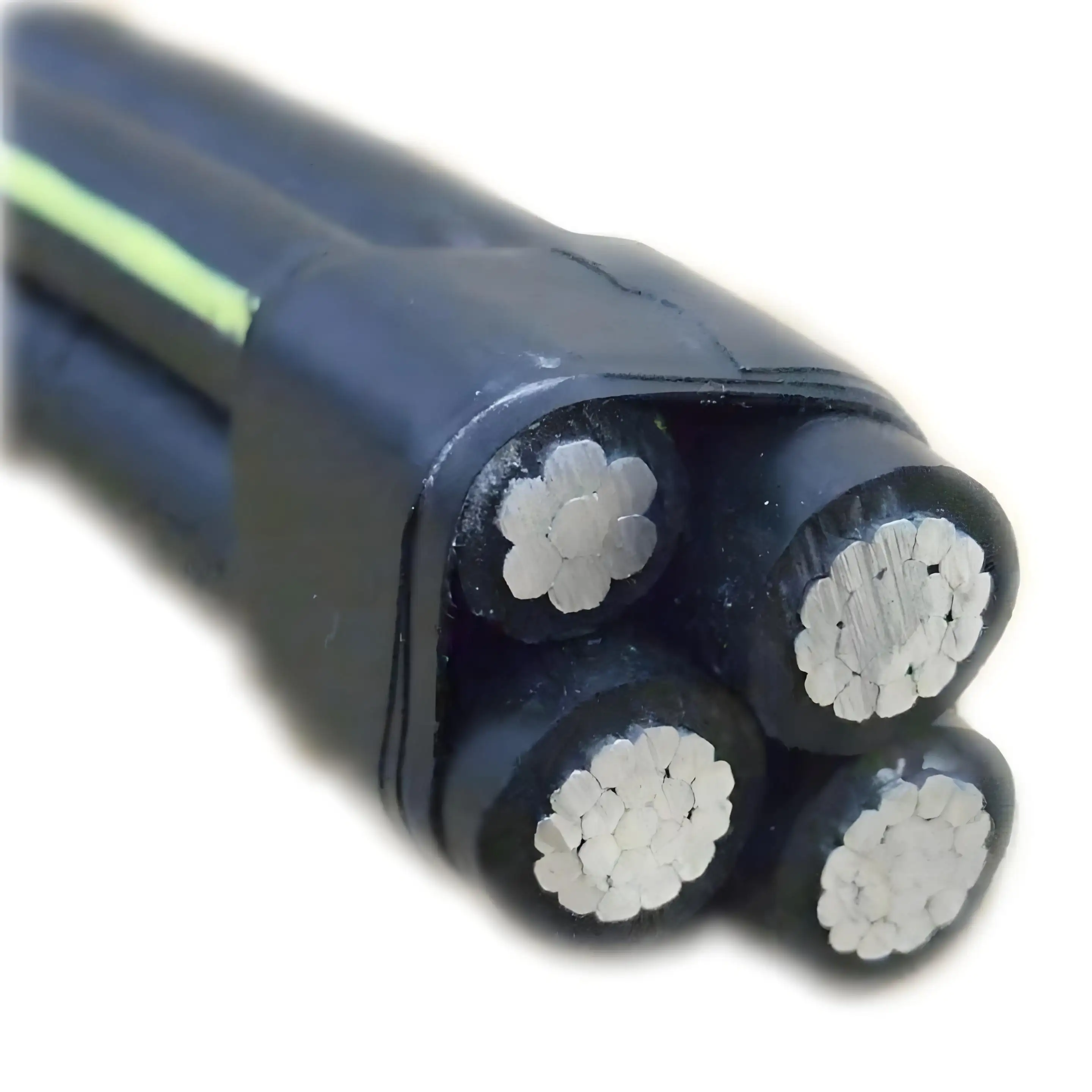
- The Evolution of Communication Networks: From Aerials to Cables
The evolution of communication networks has been a fascinating journey, from the days of using aerials to the modern reliance on cables. This transformation has not only revolutionized the way we communicate but has also significantly impacted every aspect of our daily lives. In this article, we will delve into the fundamental role of aerials and cables in modern communication networks and how they have shaped the way we connect with the world around us.
Aerials, also known as antennas, have played a pivotal role in the evolution of communication networks. They have been used for the transmission and reception of radio and television signals since the early 20th century. Aerials are typically mounted on rooftops or towers to capture and broadcast electromagnetic waves, allowing for long-range communication. In the past, they were essential for accessing over-the-air broadcasts, providing a direct link to the outside world.
However, the reliance on aerials for communication began to shift with the rise of cable networks. Cables revolutionized the way we transmit information, offering a more reliable and efficient method of communication. Unlike aerials, which are subject to weather conditions and interference, cables provide a dedicated and secure pathway for data transmission. The introduction of fiber-optic cables further transformed communication networks, allowing for the rapid transmission of large volumes of data over long distances.
The transition from aerials to cables has been driven by the need for faster, more reliable communication. In today's interconnected world, the demand for high-speed internet and seamless connectivity has propelled the widespread adoption of cable networks. From high-definition video streaming to online gaming, cables have become the backbone of modern communication, enabling us to stay connected in real-time.
One of the key advantages of cable networks is their ability to support a wide range of communication services. In addition to internet access, cables are used for cable TV, telephone, and data transmission for businesses. This versatility has made cable networks an indispensable part of our daily lives, supporting a wide array of communication needs. The reliability and performance of cable networks have made them the preferred choice for businesses and individuals alike.
As we look to the future, the evolution of communication networks continues to be shaped by advancements in technology. The emergence of wireless communication technologies, such as 5G, is poised to further transform the way we connect. While the use of aerials remains important for certain applications, the shift towards wireless and cable-based networks is evident in the rapid expansion of high-speed internet and digital connectivity.
In conclusion, the evolution of communication networks from aerials to cables has been a transformative journey. The transition to cable networks has revolutionized the way we communicate, enabling us to stay connected in ways that were once unimaginable. As we continue to embrace new technologies, the role of aerials and cables in modern communication networks will remain essential, shaping the way we connect with the world around us.
- Advantages and Disadvantages of Aerials in Communication Networks
Aerials and cables are essential components in modern communication networks, playing a crucial role in enabling the transmission of data and signals across various platforms. Understanding their advantages and disadvantages is crucial for optimizing communication networks and ensuring seamless connectivity.
Aerials, also known as antennas, are devices designed to transmit and receive radio waves, allowing for wireless communication over long distances. One of the primary advantages of aerials in communication networks is their ability to provide a wide coverage area. This is particularly useful in rural and remote areas where laying cables may be impractical or cost-prohibitive. Aerials also offer the flexibility of being easily deployed in different locations, making them ideal for temporary communication needs, such as disaster relief efforts or event coverage.
Furthermore, aerials are crucial for enabling mobile communication, as they are used in cell phone towers to facilitate wireless connectivity. This allows individuals to stay connected while on the go, enhancing productivity and convenience. Additionally, aerials are essential for enabling satellite communication, making it possible to transmit data and signals across vast distances, including in maritime and aviation industries.
However, aerials also have their disadvantages. One of the main drawbacks is their susceptibility to environmental factors such as weather and interference. Adverse weather conditions, such as strong winds, heavy rain, or lightning, can disrupt the signals being transmitted by aerials, leading to communication downtime. Moreover, aerials are vulnerable to signal interference from other electronic devices or radio waves, which can degrade the quality of communication.
On the other hand, cables play a significant role in communication networks, particularly in providing a reliable and stable connection. Unlike aerials, cables are not susceptible to weather or interference, making them a secure option for transmitting data and signals. Additionally, cables can offer faster and more consistent data transfer speeds, which are crucial for applications requiring a high level of reliability, such as online gaming or video streaming.
Another advantage of cables in communication networks is their ability to provide a higher level of security. Unlike wireless transmissions, which can be intercepted or hacked, cables offer a more secure means of communication, making them ideal for transmitting sensitive or confidential information.
Despite these advantages, cables also have their drawbacks. One of the main disadvantages of cables is the need for physical infrastructure, which can be costly and time-consuming to install, especially in areas with challenging terrain or limited accessibility. Additionally, cables are not as flexible as aerials and are less suitable for temporary communication needs or mobile applications.
In conclusion, both aerials and cables play crucial roles in modern communication networks, each with its own set of advantages and disadvantages. Understanding these factors is essential for designing and optimizing communication infrastructure to meet the diverse needs of today's interconnected world. By leveraging the strengths of both aerials and cables, it is possible to create robust and resilient communication networks that can support a wide range of applications and ensure seamless connectivity.
- The Importance of Cables in Modern Communication Networks
The Importance of Cables in Modern Communication Networks
Communication networks have become an integral part of our daily lives, connecting people and businesses across the globe. In order for these networks to function effectively, aerials and cables play a crucial role in transmitting data and enabling seamless communication.
Aerials, also known as antennas, are used to transmit and receive signals wirelessly, allowing for the transmission of data over long distances. These antennas come in various forms, including parabolic, Yagi, and panel antennas, each serving different purposes in a communication network. By capturing signals from the air, aerials convert them into electrical signals that can be processed by devices such as routers and modems.
While aerials play a vital role in wireless communication, cables are equally important in modern communication networks. Cables are used to transmit data through physical connections, ensuring reliable and secure communication. Fiber optic cables, for example, are widely used in modern communication networks due to their ability to transmit large amounts of data at high speeds over long distances. In addition to fiber optics, copper cables are also commonly used for their durability and cost-effectiveness in transmitting data.
The importance of cables in modern communication networks cannot be overstated. Without the presence of reliable cables, communication would be vulnerable to disruptions and interference, leading to potential communication breakdowns. This is particularly critical in industries such as telecommunication, internet service providers, and broadcast media, where uninterrupted communication is essential for their operations.
Furthermore, the role of cables extends beyond just transmitting data. Cables also provide power to devices such as routers, switches, and access points, ensuring that these devices remain operational at all times. This highlights the critical role that cables play in supporting the infrastructure of communication networks.
In the context of modern communication networks, the integration of aerials and cables is essential for ensuring seamless connectivity. Aerials enable wireless communication over long distances, while cables ensure the reliable transmission of data and power to support the network infrastructure. Together, aerials and cables form the backbone of modern communication networks, facilitating the transfer of information across various platforms and devices.
Moreover, the development of new technologies such as 5G and Internet of Things (IoT) has further emphasized the significance of aerials and cables in modern communication networks. These technologies require efficient and robust communication infrastructure, which relies heavily on the effective deployment of aerials and cables to support their functionality.
In conclusion, the importance of aerials and cables in modern communication networks cannot be overlooked. These components are essential for enabling seamless communication, supporting the infrastructure of communication networks, and facilitating the deployment of new technologies. As we continue to embrace the digital era, the significance of aerials and cables will only continue to grow, ensuring that communication networks remain efficient and reliable in meeting the needs of a connected world.
- Integrating Aerials and Cables for Effective Communication
In the fast-paced world of modern communication networks, the integration of aerials and cables is essential for ensuring effective communication. Aerials, also known as antennas, and cables are two critical components that work together to transmit and receive signals, making them fundamental to the success of communication networks. In this article, we will explore the important role that aerials and cables play in modern communication networks and how their integration is crucial for seamless and reliable communication.
Aerials are devices designed to transmit and receive radio waves, allowing for the wireless transmission of information. They are crucial for communication networks, as they enable the transfer of data over long distances without the need for physical cables. Aerials come in various forms, including directional, omnidirectional, and parabolic, each designed for specific communication needs.
On the other hand, cables are physical mediums that transmit electrical or optical signals from one point to another. They are essential for connecting various communication devices, such as routers, switches, and servers, and are used to establish a reliable network infrastructure. Cables come in different types, including coaxial, twisted pair, and fiber optic cables, each offering specific advantages in terms of bandwidth, distance, and interference resistance.
The integration of aerials and cables in communication networks is critical for ensuring seamless and reliable communication. Aerials are responsible for wirelessly transmitting and receiving signals, while cables provide the physical connection between devices. Together, they form a cohesive system that allows for the efficient transfer of data across communication networks.
One key aspect of integrating aerials and cables in communication networks is the need for proper design and installation. The placement of aerials and the routing of cables are critical factors that can affect the performance and reliability of a communication network. Careful consideration must be given to factors such as signal strength, interference, and physical obstacles to ensure optimal performance.
Furthermore, advancements in technology have led to the development of innovative solutions for integrating aerials and cables in communication networks. For instance, the use of smart antennas, which can dynamically adjust their radiation pattern to optimize signal strength, has revolutionized wireless communication. Similarly, advancements in cable technology, such as the development of high-speed fiber optic cables, have significantly improved the bandwidth and reliability of communication networks.
In conclusion, the integration of aerials and cables is essential for ensuring effective communication in modern communication networks. Aerials are responsible for wirelessly transmitting and receiving signals, while cables provide the physical connection between devices. Together, they form a cohesive system that enables the seamless and reliable transfer of data across communication networks. With proper design, installation, and the adoption of innovative technologies, the integration of aerials and cables will continue to play a crucial role in shaping the future of communication networks.
- Future Trends in Aerials and Cables for Communication Networks
As technology continues to advance at a rapid pace, the future of communication networks is constantly evolving. Aerials and cables play a crucial role in modern communication networks, and understanding their future trends is essential for the telecommunications industry to stay ahead of the curve.
One of the most significant future trends in aerials for communication networks is the advancement of 5G technology. 5G networks require a significant increase in network capacity and data speeds, which will necessitate the use of advanced aerials to support the higher frequency bands. These new aerials will need to be able to handle the higher data rates and provide greater coverage, often through the use of advanced beamforming techniques. Additionally, with the proliferation of Internet of Things (IoT) devices, aerials will need to be designed to accommodate the massive increase in connected devices, further driving the need for innovation in aerial technology.
In addition to aerials, the future of communication networks will also see significant advancements in the cables that support these networks. Fiber optic cables are already a critical component of modern communication networks, and their importance will only continue to grow in the future. As demand for higher data speeds and bandwidth increases, the need for more advanced and resilient fiber optic cables will also rise. This will likely lead to the development of new types of fiber optic cables that can handle higher data rates and provide greater reliability, as well as innovations in cable installation and maintenance techniques.
Furthermore, the future of communication networks will also see a greater emphasis on the integration of aerials and cables into smart infrastructure. As smart cities become more prevalent, communication networks will need to be seamlessly integrated into the built environment. This will require the development of aerials and cables that can be easily and unobtrusively installed in urban environments, as well as the use of smart technologies to monitor and manage the network infrastructure. This trend will also drive the need for improved aerial and cable management solutions to ensure the efficient and reliable operation of communication networks in smart cities.
Another important trend in the future of communication networks is the increasing focus on sustainability and environmental impact. Aerials and cables can have a significant environmental footprint, particularly as the demand for communication networks continues to grow. In response, the telecommunications industry will need to develop more sustainable and environmentally friendly aerials and cables, as well as improved techniques for the installation and maintenance of network infrastructure. This may involve the use of more environmentally friendly materials, as well as advancements in energy-efficient network technologies.
In conclusion, the future trends in aerials and cables for communication networks are driven by the need for higher data speeds, increased capacity, and greater integration into smart infrastructure, all while considering sustainability and environmental impact. As the telecommunications industry continues to innovate and adapt to these trends, the future of communication networks looks set to be faster, more reliable, and more seamlessly integrated into our everyday lives.
Conclusion
In conclusion, it is clear that aerials and cables play a crucial role in the modern communication networks that we rely on every day. From their ability to transmit data and signals over long distances to their role in connecting remote areas, these technologies are essential for keeping us all connected in today’s digital age. As technology continues to advance, it will be important to keep exploring innovative ways to optimize and improve aerials and cables, ensuring that our communication networks remain reliable and efficient for years to come. Ultimately, a deep understanding of the role of aerials and cables in modern communication networks is essential for anyone looking to stay informed and engaged in our rapidly evolving digital world.
Table of Contents
GET IN TOUCH WITH Us
Ready to work with us?

Find us here:
The cable factory from 2007-2018 are mainly for domestic trading and processing to some export tradingcompanies. The average sales amount are about RMB 320,000,000 per year. For cables oversea market, From last may till now we have expanded our market to Bolivia, Peru, Dominican, Philippines, Vietnam, Thailand, Iraq, Mongolia, Indonesia and some Africa country.
Copyright © 2026 KINGYEAR |Sitemap丨Privacy Polcy