


Please fill out the form below to request a quote or to request more information about us. please be as detailed as possible in your message, and we will get back to you as soon as possible with a response. we're ready to start working on your new project, contact us now to get started.
Advantages Of Using Aluminum Alloy Conductor In Electrical Wiring
2026-06-11
KINGYEAR
28
Are you curious about the benefits of using aluminum alloy conductors in electrical wiring? If so, you're in the right place! This article discusses the numerous advantages of choosing aluminum alloy conductors over traditional copper wiring, including cost-effectiveness, durability, and environmental sustainability. Whether you're a homeowner, a contractor, or an electrical professional, this information is invaluable for making informed decisions about your wiring needs. Keep reading to discover how aluminum alloy conductors can revolutionize the way you approach electrical projects.
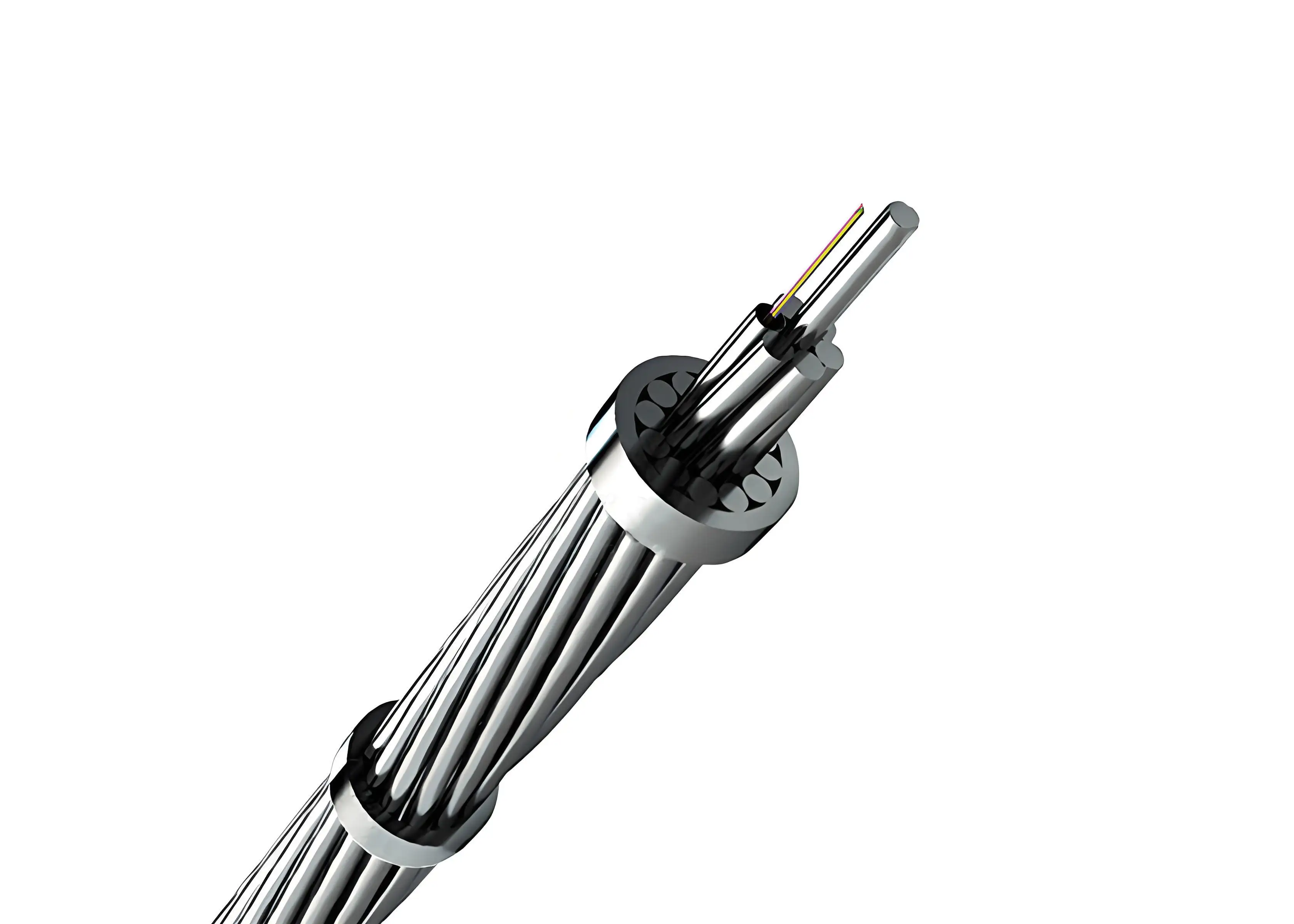
- Introduction to Aluminum Alloy Conductor
Aluminum alloy conductors are a popular choice for electrical wiring due to their numerous advantages over traditional copper conductors. In this article, we will provide an introduction to aluminum alloy conductors, their properties, and the benefits of using them in electrical wiring.
Aluminum alloy conductors are made from a mixture of aluminum and other metals, such as magnesium and silicon, to enhance their strength and conductivity. These alloys are specifically designed for use in electrical transmission and distribution lines, as well as in residential, commercial, and industrial wiring applications.
One of the key advantages of aluminum alloy conductors is their reduced weight compared to traditional copper conductors. This makes them easier to handle and install, particularly in overhead transmission and distribution lines. The lighter weight of aluminum alloy conductors also results in lower transportation and installation costs, making them a cost-effective choice for electrical wiring projects.
In addition to their reduced weight, aluminum alloy conductors offer excellent conductivity and durability. The alloying elements in the aluminum improve the mechanical and electrical properties of the conductors, allowing them to maintain their performance in various weather conditions and over long distances. They are also highly resistant to corrosion, which is crucial for outdoor and underground electrical installations.
Another benefit of aluminum alloy conductors is their high tensile strength, which allows them to withstand mechanical stresses and loads without deforming or breaking. This makes them a reliable choice for long-span transmission lines and other applications where mechanical strength is essential.
Furthermore, aluminum alloy conductors have a lower thermal expansion coefficient compared to copper conductors, meaning they are less likely to sag or stretch under high temperatures. This characteristic is particularly important for overhead transmission lines, where temperature variations can affect the conductor's performance.
Despite these advantages, it is important to note that proper installation and maintenance are essential to ensure the optimal performance of aluminum alloy conductors. Special attention should be given to the connections and terminations to minimize the risk of galvanic corrosion and ensure long-term reliability.
In conclusion, aluminum alloy conductors offer several key advantages over traditional copper conductors, including reduced weight, excellent conductivity, durability, and high tensile strength. Their lower cost and superior performance in various environmental conditions make them an attractive choice for electrical wiring projects. As technology continues to advance, aluminum alloy conductors are expected to play an increasingly important role in the electrical industry.
- The Benefits of Aluminum Alloy Conductor in Electrical Wiring
Aluminum alloy conductors have become increasingly popular in electrical wiring due to their numerous benefits and advantages over other materials. In this article, we will explore the various advantages of using aluminum alloy conductors in electrical wiring, and how they can positively impact the efficiency and safety of electrical systems.
One of the primary benefits of aluminum alloy conductors is their lightweight nature, which makes them easier to handle and install compared to traditional copper conductors. This can result in lower labor costs and reduced installation time, which is a significant advantage for electrical contractors and installers. Additionally, the lightweight nature of aluminum alloy conductors makes them an ideal choice for overhead power transmission lines, where weight considerations are crucial.
Furthermore, aluminum alloy conductors offer an impressive strength-to-weight ratio, making them highly durable and resistant to mechanical stresses. This increased strength allows aluminum alloy conductors to withstand harsh environmental conditions, such as high winds, ice loading, and extreme temperatures, without compromising their performance. As a result, they are an excellent choice for outdoor applications and power distribution in challenging terrain.
In addition to their physical properties, aluminum alloy conductors also offer excellent electrical conductivity, making them an efficient choice for transmitting electrical power. When compared to copper conductors, aluminum alloy conductors have a higher conductivity-to-weight ratio, allowing them to efficiently carry electrical current over long distances with minimal power loss. This can result in cost savings for utility companies and end-users, as well as reduced energy consumption and environmental impact.
Another key advantage of aluminum alloy conductors is their corrosion resistance, which allows them to maintain their performance and integrity over an extended service life. This resistance to corrosion is particularly important in areas with high humidity, salt exposure, or chemical pollutants, where traditional copper conductors may deteriorate over time. By using aluminum alloy conductors, electrical systems can ensure long-term reliability and minimize the need for maintenance and replacements.
Furthermore, aluminum alloy conductors are cost-effective compared to copper conductors, as aluminum is a more abundant and affordable material. This can result in significant cost savings for electrical projects, especially for large-scale installations and infrastructure development. Additionally, the recyclability of aluminum alloy conductors makes them a sustainable choice for electrical wiring, contributing to environmental conservation and resource efficiency.
In conclusion, the benefits of using aluminum alloy conductors in electrical wiring are undeniable. Their lightweight nature, strength, electrical conductivity, corrosion resistance, and cost-effectiveness make them an excellent choice for a wide range of applications, from residential and commercial wiring to power transmission and distribution. As the demand for efficient and sustainable electrical solutions continues to grow, aluminum alloy conductors are poised to play a crucial role in shaping the future of electrical systems.
- Comparing Aluminum Alloy Conductor to Other Materials
When it comes to electrical wiring, the choice of conductor material is an important consideration. In recent years, aluminum alloy conductor has gained attention for its many advantages over other materials. In this article, we will explore the benefits of using aluminum alloy conductor compared to other materials such as copper and traditional aluminum.
Aluminum alloy conductor offers several advantages over other materials, most notably its high strength-to-weight ratio. This makes it an ideal choice for applications where weight is a concern, such as in the aerospace industry. Additionally, aluminum alloy conductor is highly resistant to corrosion, making it ideal for outdoor and marine applications.
In contrast, copper has long been the material of choice for electrical wiring due to its high conductivity. However, copper is significantly heavier and more expensive than aluminum alloy conductor. Additionally, copper is more susceptible to corrosion, especially in harsh environments. As a result, the use of aluminum alloy conductor has become increasingly popular, particularly in large-scale electrical projects.
Traditional aluminum conductor, on the other hand, has been widely used in electrical wiring for many years. While it is lightweight and relatively cost-effective, traditional aluminum conductor has a lower strength-to-weight ratio compared to aluminum alloy conductor. This can make it more susceptible to damage and deformation, especially in high-stress applications.
One of the key advantages of using aluminum alloy conductor is its excellent thermal conductivity. This allows for better heat dissipation, reducing the risk of overheating and potential fire hazards. Furthermore, aluminum alloy conductor is more malleable than traditional aluminum, making it easier to work with and install. Its mechanical properties also make it a durable and long-lasting option for electrical wiring.
Another important consideration when comparing conductor materials is their environmental impact. Aluminum alloy conductor is a more sustainable option compared to copper and traditional aluminum. Aluminum is abundant and can be easily recycled, reducing the need for new mining and extraction. This makes aluminum alloy conductor an eco-friendly choice for environmentally conscious projects.
In conclusion, the advantages of using aluminum alloy conductor in electrical wiring are numerous. Its high strength-to-weight ratio, resistance to corrosion, and excellent thermal conductivity make it a superior choice compared to other materials. As the demand for lightweight, durable, and sustainable electrical wiring solutions continues to grow, aluminum alloy conductor is poised to play a key role in shaping the future of the industry. Whether it's for aerospace, marine, or large-scale electrical projects, aluminum alloy conductor offers a compelling alternative to traditional materials.
- Safety and Reliability of Aluminum Alloy Conductor
Safety and Reliability of Aluminum Alloy Conductor
Aluminum alloy conductors have gained popularity in the electrical wiring industry due to their numerous advantages over traditional copper conductors. Along with being lightweight and cost-effective, aluminum alloy conductors are also known for their safety and reliability, making them a preferred choice for many electrical applications.
When it comes to safety, aluminum alloy conductors offer several key benefits. One of the most significant advantages is their resistance to corrosion. Unlike copper conductors, aluminum alloy conductors are not susceptible to corrosion, which can often lead to poor connections and electrical failure. This makes them a reliable and long-lasting option for electrical wiring, especially in outdoor or high-humidity environments where corrosion is a common issue.
In addition to their resistance to corrosion, aluminum alloy conductors also have excellent thermal conductivity. This means they can effectively dissipate heat, reducing the risk of overheating and potential fire hazards. This makes them a safer choice for electrical wiring, especially in high-demand applications where heat buildup can be a concern.
Furthermore, aluminum alloy conductors are known for their high tensile strength, which makes them less likely to break or fail under stress. This strength and durability make them a reliable option for electrical wiring in industrial or commercial settings, where the demands on the system are often higher.
In terms of reliability, aluminum alloy conductors also offer several advantages. One of the most notable is their ability to carry higher current loads than copper conductors of the same size. This means that aluminum alloy conductors can handle more power, making them suitable for a wide range of electrical applications, from residential to industrial.
Additionally, aluminum alloy conductors have a lower electrical resistance than copper, which means they can transmit electricity more efficiently over long distances. This makes them a reliable choice for power distribution and transmission, where the distance between the power source and the end user is a critical factor.
Moreover, aluminum alloy conductors are also more cost-effective than copper conductors, making them an attractive option for many electrical projects. Their lower weight and higher conductivity mean that less material is required, resulting in lower installation and maintenance costs.
In conclusion, the safety and reliability of aluminum alloy conductors make them a preferred choice for electrical wiring in a wide range of applications. From their resistance to corrosion to their excellent thermal conductivity and high tensile strength, aluminum alloy conductors offer numerous advantages that make them a cost-effective, durable, and efficient option for electrical installations. As the demand for reliable and safe electrical systems continues to grow, the use of aluminum alloy conductors is expected to increase, further establishing their position as a top choice for electrical wiring.
- Cost-Effectiveness of Using Aluminum Alloy Conductor in Electrical Wiring
Aluminum alloy conductor has been gaining popularity in the electrical wiring industry due to its cost-effectiveness and numerous benefits compared to traditional copper conductors. This article will explore the advantages of using aluminum alloy conductor in electrical wiring, with a specific focus on its cost-effectiveness.
One of the main advantages of using aluminum alloy conductor in electrical wiring is its cost-effectiveness. Aluminum is a much cheaper material compared to copper, making it an attractive option for electrical projects with tight budgets. The use of aluminum alloy conductor can significantly reduce the overall cost of electrical wiring installations, making it an economical choice for both residential and commercial applications.
In addition to its cost-effectiveness, aluminum alloy conductor also offers excellent electrical conductivity. While aluminum has a lower conductivity compared to copper, aluminum alloy conductors are specifically designed to enhance conductivity, making them a reliable and efficient option for electrical wiring. This means that despite the lower initial cost, aluminum alloy conductors can still provide the necessary electrical performance required for various applications.
Furthermore, aluminum alloy conductors are lightweight and easy to handle, making the installation process more straightforward and cost-effective. Their lightweight nature also reduces the strain on electrical support structures, resulting in lower installation and maintenance costs in the long run. This makes aluminum alloy conductor a practical choice for large-scale electrical projects where ease of handling and installation are important factors.
In terms of durability, aluminum alloy conductors are known for their corrosion resistance and longevity. This makes them a sustainable option for electrical wiring, as they require less maintenance and replacement compared to other materials. The long-term cost savings associated with the durability of aluminum alloy conductors further contributes to their overall cost-effectiveness.
It is important to note that the cost-effectiveness of using aluminum alloy conductor in electrical wiring is not just limited to the material itself, but also extends to its compatibility with various termination and connection methods. Aluminum alloy conductors are designed to work seamlessly with standard electrical connectors and fittings, further streamlining the installation process and reducing overall project costs.
In conclusion, the cost-effectiveness of using aluminum alloy conductor in electrical wiring makes it a compelling choice for a wide range of applications. Its lower initial cost, combined with excellent electrical conductivity, durability, and compatibility with standard connectors, makes aluminum alloy conductor a practical and cost-effective solution for electrical installations. As the demand for more affordable and efficient electrical wiring options continues to grow, aluminum alloy conductor is likely to become an increasingly popular choice for electrical projects in the future.
Conclusion
In conclusion, the advantages of using aluminum alloy conductor in electrical wiring are truly compelling. From its lightweight nature to its cost-effectiveness and high conductivity, aluminum alloy conductor is indeed a superior choice for electrical installations. Additionally, the corrosion resistance and durability of this material make it a reliable option for long-term use. As technology continues to advance, the demand for efficient and sustainable electrical solutions will only continue to grow, making aluminum alloy conductor an essential component for modern electrical systems. With its numerous benefits, it is clear that aluminum alloy conductor is a valuable investment for any electrical project. Embracing this innovative wiring solution will undoubtedly enhance the performance and longevity of any electrical installation.
Table of Contents
GET IN TOUCH WITH Us
Ready to work with us?

Find us here:
The cable factory from 2007-2018 are mainly for domestic trading and processing to some export tradingcompanies. The average sales amount are about RMB 320,000,000 per year. For cables oversea market, From last may till now we have expanded our market to Bolivia, Peru, Dominican, Philippines, Vietnam, Thailand, Iraq, Mongolia, Indonesia and some Africa country.
Copyright © 2026 KINGYEAR |Sitemap丨Privacy Polcy