


Please fill out the form below to request a quote or to request more information about us. please be as detailed as possible in your message, and we will get back to you as soon as possible with a response. we're ready to start working on your new project, contact us now to get started.
Bunched Conductor: Understanding Its Role In Electrical Wiring
2026-05-22
KINGYEAR
46
Are you curious about the role of bunched conductors in electrical wiring? Understanding the importance and application of bunched conductors is crucial for ensuring reliable and efficient electrical systems. In this article, we will delve into the significance of bunched conductors and how they contribute to the safety and performance of electrical wiring. Whether you are a professional electrician or a homeowner, this information will help you better comprehend the complexities of electrical systems and make informed decisions. Read on to expand your knowledge on this essential component of electrical wiring.
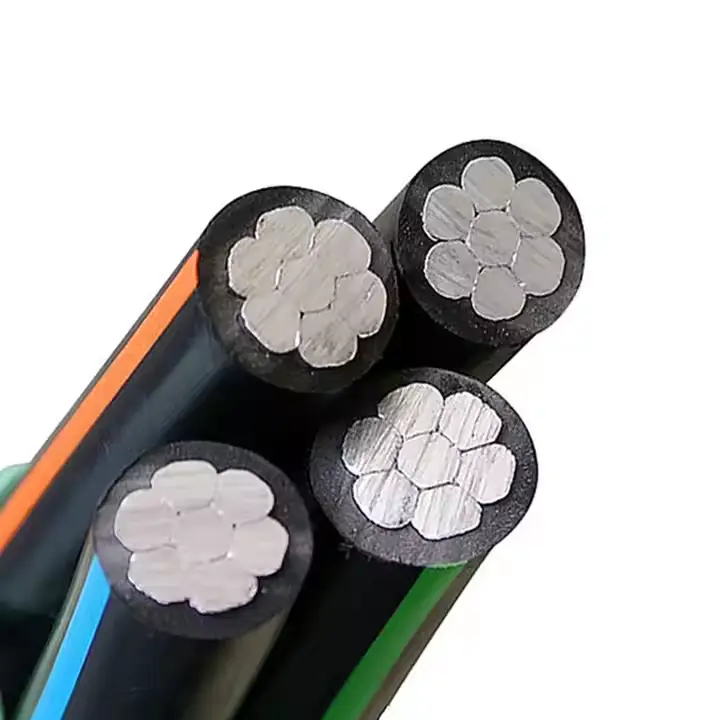
- What is a Bunched Conductor in Electrical Wiring?
A bunched conductor is an essential component in electrical wiring, serving a crucial role in the transmission of electricity. Understanding what a bunched conductor is and how it functions is integral to comprehending the intricacies of electrical wiring systems.
At its core, a bunched conductor refers to a group of individual conductors that are intricately twisted or bunched together within a single cable or wire. This bundling of conductors serves to enhance the current-carrying capacity and flexibility of the wire, making it ideal for various electrical applications.
In electrical wiring, bunched conductors play a pivotal role in ensuring the efficient and safe transmission of electricity. By bundling multiple conductors together, the overall current-carrying capacity of the wire is substantially increased. This is particularly crucial in applications where a higher electrical load is anticipated, such as in industrial settings or large commercial buildings.
Furthermore, the bundling of conductors within a single cable enhances the flexibility of the wire, allowing for easier installation and maneuverability within confined spaces. This flexibility is invaluable in situations where the wiring needs to navigate through tight corners or complex pathways.
One of the key advantages of using bunched conductors in electrical wiring is their ability to minimize electromagnetic interference. By twisting the individual conductors within the cable, any electromagnetic fields generated by the flow of current are effectively canceled out. This results in a cleaner and more stable transmission of electricity, reducing the likelihood of signal distortion or interference with electronic devices.
Additionally, the use of bunched conductors helps to minimize the overall footprint of the wiring system. By consolidating multiple conductors within a single cable, the need for additional wiring and cable management is significantly reduced, resulting in a more streamlined and efficient electrical infrastructure.
It is important to note that the design and construction of bunched conductors must adhere to stringent safety and regulatory standards. Proper insulation and protection of the individual conductors within the cable are essential to prevent electrical hazards, such as short circuits or insulation breakdown.
In conclusion, the role of bunched conductors in electrical wiring is indispensable. These intricately twisted or bunched conductors not only enhance the current-carrying capacity and flexibility of the wire but also minimize electromagnetic interference and reduce the overall footprint of the wiring system. Understanding the significance of bunched conductors in electrical applications is vital for ensuring the safe and efficient transmission of electricity.
- Advantages of Using Bunched Conductors
In the field of electrical wiring, the use of bunched conductors has become increasingly popular due to the numerous advantages it offers. Bunched conductors refer to multiple insulated wires that are grouped together to form a single conductor. This innovative approach to wiring has revolutionized the way electrical systems are designed and implemented, providing several key benefits that make it a compelling choice for various applications.
One of the primary advantages of using bunched conductors is their ability to enhance flexibility and maneuverability. By integrating multiple wires into a single conductor, bunched conductors allow for greater ease of installation in tight or complex spaces. This flexibility not only simplifies the wiring process but also reduces the risk of installation errors and damage to the conductors. As a result, bunched conductors are ideal for applications that require intricate wiring configurations, such as industrial machinery, automotive systems, and electronic devices.
Furthermore, bunched conductors offer improved electrical performance compared to traditional single-core conductors. The use of multiple smaller wires within a bunched conductor increases the overall surface area, which can enhance the conductivity and efficiency of the electrical system. This can result in reduced power loss, improved signal transmission, and enhanced reliability, making bunched conductors particularly well-suited for high-performance applications where precision and consistency are paramount.
In addition to their technical advantages, bunched conductors also provide practical benefits in terms of cost-effectiveness and resource efficiency. By utilizing smaller individual wires to create a bunched conductor, manufacturers can optimize the use of materials and minimize waste, ultimately reducing production costs and environmental impact. Furthermore, the compact nature of bunched conductors can result in space savings and streamlined inventory management, making them an economical choice for both manufacturers and end users.
Another notable advantage of bunched conductors is their enhanced resistance to mechanical stress and strain. The collective structure of bunched conductors distributes the load across multiple wires, reducing the risk of breakage or damage from bending, stretching, or vibration. This inherent resilience makes bunched conductors well-suited for applications that involve frequent movement, such as robotics, aerospace systems, and portable electronics.
Moreover, the use of bunched conductors can contribute to improved safety and compliance with industry standards. The compact design and robust construction of bunched conductors can help minimize the risk of electrical faults, short circuits, and insulation damage, thereby enhancing the overall integrity of the electrical system. This enhanced reliability can lead to greater peace of mind for designers, installers, and end users, as well as simplified regulatory compliance in accordance with relevant safety standards.
In summary, the advantages of using bunched conductors are numerous and far-reaching, making them a valuable asset in the field of electrical wiring. From enhanced flexibility and electrical performance to cost-effectiveness and safety, bunched conductors offer a compelling solution for a wide range of applications. As technology continues to advance and demand for efficient, reliable electrical systems grows, bunched conductors are likely to play an increasingly pivotal role in shaping the future of electrical engineering and design.
- Considerations for Installing Bunched Conductors
Bunched conductors, also known as bundled conductors, play a crucial role in electrical wiring systems. When it comes to installing bunched conductors, there are several important considerations that need to be taken into account in order to ensure the safety, reliability, and efficiency of the electrical system. In this article, we will discuss the key considerations for installing bunched conductors and shed light on their role in electrical wiring.
One of the main considerations when it comes to installing bunched conductors is the ampacity derating factor. Ampacity refers to the maximum current that a conductor can carry continuously under specified conditions without exceeding its temperature rating. When conductors are bundled together, they generate heat, which can lead to a decrease in their ampacity. This decrease is known as the derating factor. It is important to carefully calculate the derating factor when installing bunched conductors to ensure that they do not exceed their maximum temperature rating and pose a safety hazard.
Another important consideration for installing bunched conductors is the spacing between the individual conductors. Proper spacing is essential to ensure that the conductors do not overheat and that they do not interfere with each other's electromagnetic fields. The spacing requirements for bunched conductors are outlined in the National Electrical Code (NEC) and must be strictly adhered to during installation.
In addition to ampacity derating and spacing considerations, the installation of bunched conductors also requires careful attention to the selection and installation of appropriate cable trays or raceways. Cable trays and raceways provide support and protection for bunched conductors, and it is important to select the right type and properly install them to ensure the long-term integrity and reliability of the electrical wiring system.
Furthermore, it is crucial to consider the potential for mutual inductance and capacitance between bunched conductors. Mutual inductance occurs when the magnetic field of one conductor induces a voltage in an adjacent conductor, while mutual capacitance results from the electric field between adjacent conductors. These phenomena can cause interference and affect the performance of the electrical system, so it is important to carefully consider and mitigate their effects during the installation of bunched conductors.
Finally, when installing bunched conductors, it is essential to follow all relevant safety standards and regulations to ensure the overall safety of the electrical system. This includes considerations such as proper grounding and bonding, as well as compliance with local electrical codes and regulations.
In conclusion, the installation of bunched conductors in electrical wiring systems requires careful consideration of several important factors, including ampacity derating, spacing, support and protection, mutual inductance and capacitance, and safety regulations. By carefully addressing these considerations, electrical professionals can ensure the safe, reliable, and efficient installation of bunched conductors, ultimately contributing to the overall performance of the electrical system.
- Common Applications of Bunched Conductors
Bunched conductors are an essential component of electrical wiring, commonly used in various applications across different industries. Understanding the role and common applications of bunched conductors is crucial for ensuring efficient and safe electrical systems.
In electrical engineering, a bunched conductor refers to a group of individual conductors that are twisted or bunched together. This arrangement provides several advantages, such as improved flexibility, easier installation, and enhanced electrical performance. Bunched conductors are often used in power distribution systems, data communication networks, and other applications where reliable electrical connections are essential.
One common application of bunched conductors is in building wiring, where they are extensively used for electrical installations in residential, commercial, and industrial buildings. Bunched conductors are preferred for these applications due to their flexibility and ease of installation. They can be easily routed through walls, floors, and ceilings, allowing for efficient and cost-effective wiring solutions.
Another important application of bunched conductors is in the manufacturing of electrical cables. Bunched conductors are often used as the core of cables, providing the necessary electrical connectivity for transmitting power and data. The bunched arrangement of individual conductors ensures that the cable remains flexible and can be easily routed in tight spaces, making it suitable for various industrial and commercial applications.
Furthermore, bunched conductors are commonly utilized in the construction of power transmission lines and substation wiring. These applications require the use of high-capacity conductors to transmit large amounts of electrical power over long distances. Bunched conductors are an ideal choice for such applications, as they can be manufactured with a larger overall cross-sectional area to carry high currents and minimize power losses.
In the renewable energy sector, bunched conductors play a crucial role in the construction of solar power systems and wind turbine installations. These systems require robust and reliable wiring solutions to connect the solar panels or wind turbines to the power grid. Bunched conductors are often used in these applications to ensure efficient power transmission and reliable performance in challenging environmental conditions.
Moreover, bunched conductors have found widespread use in the automotive industry, where they are integrated into the wiring harnesses of vehicles. The flexibility and durability of bunched conductors make them well-suited for automotive applications, providing reliable electrical connections for various lighting, control, and power distribution systems in vehicles.
In conclusion, bunched conductors are integral to the field of electrical engineering and find diverse applications across different industries. Their versatility, flexibility, and reliability make them a preferred choice for various electrical wiring and power transmission solutions. Understanding the common applications of bunched conductors is essential for ensuring the successful design and implementation of electrical systems in a wide range of applications.
- Maintenance and Troubleshooting Tips for Bunched Conductor Wiring
Maintenance and Troubleshooting Tips for Bunched Conductor Wiring
As a crucial component in electrical wiring, bunched conductor wiring plays a vital role in ensuring the smooth flow of electricity throughout a building or structure. However, like any other electrical system, bunched conductor wiring requires regular maintenance and troubleshooting to ensure optimal performance and safety. In this article, we will discuss the importance of bunched conductor wiring, as well as provide valuable tips for maintaining and troubleshooting this essential component of electrical systems.
Bunched conductors are a type of electrical wiring in which multiple insulated wires are bundled together to form a single conductor. This type of wiring is commonly used in commercial and residential buildings to transmit electrical power from the source to various outlets and devices. Bunched conductors offer several advantages, including improved flexibility, easier installation, and reduced overall cost compared to traditional single-core conductors.
However, like any electrical system, bunched conductor wiring requires regular maintenance to ensure optimal performance and safety. One of the most important maintenance tasks is to inspect the insulation of the individual wires within the bunched conductor. Over time, the insulation may degrade due to environmental factors, such as heat, moisture, or physical wear and tear. A thorough inspection of the insulation can help identify any potential issues and prevent electrical faults or shorts.
In addition to insulation inspection, it is also crucial to regularly check the connections and terminations of bunched conductors. Loose connections or faulty terminations can lead to overheating, arcing, and potential fire hazards. Therefore, it is essential to inspect the connections for signs of corrosion, overheating, or physical damage, and tighten or replace any faulty connections as needed.
Moreover, bunched conductor wiring should be periodically checked for any signs of physical damage, such as cuts, abrasions, or punctures. Physical damage to the wiring can compromise its integrity and lead to electrical faults or even a complete failure of the electrical system. Regular visual inspections can help identify and address any physical damage to the bunched conductor wiring before it escalates into a more significant issue.
In addition to regular maintenance, troubleshooting is an essential aspect of maintaining bunched conductor wiring. When an electrical issue arises, it is crucial to systematically troubleshoot the wiring to identify the root cause of the problem. One common troubleshooting technique is to use a multimeter to test the continuity and resistance of the bunched conductor wiring, as well as to check for any potential short circuits or open circuits.
Furthermore, if there is a suspected fault in the bunched conductor wiring, it is crucial to follow proper safety procedures, such as de-energizing the electrical system and using appropriate personal protective equipment before conducting any troubleshooting activities.
In conclusion, bunched conductor wiring is a critical component of electrical systems, and regular maintenance and troubleshooting are essential to ensure its optimal performance and safety. By following the maintenance and troubleshooting tips outlined in this article, electrical professionals and building owners can effectively maintain the integrity of bunched conductor wiring and prevent potential electrical hazards.
Conclusion
In conclusion, understanding the role of bunched conductors in electrical wiring is crucial for ensuring efficient and safe electrical systems. From their ability to reduce skin effect and increase flexibility, to their impact on power transmission and distribution, bunched conductors play a vital role in the functionality of electrical circuits. By delving into the unique characteristics and benefits of bunched conductors, electricians and engineers can optimize their designs and installations to better meet the needs of their projects. As technology continues to advance, the importance of bunched conductors in electrical wiring will only become more pronounced, making it essential for professionals in the field to stay informed and knowledgeable about this key component.
GET IN TOUCH WITH Us
Ready to work with us?

Find us here:
The cable factory from 2007-2018 are mainly for domestic trading and processing to some export tradingcompanies. The average sales amount are about RMB 320,000,000 per year. For cables oversea market, From last may till now we have expanded our market to Bolivia, Peru, Dominican, Philippines, Vietnam, Thailand, Iraq, Mongolia, Indonesia and some Africa country.
Copyright © 2026 KINGYEAR |Sitemap丨Privacy Polcy