


Please fill out the form below to request a quote or to request more information about us. please be as detailed as possible in your message, and we will get back to you as soon as possible with a response. we're ready to start working on your new project, contact us now to get started.
The Benefits Of Using Bare Copper Conductors In Electrical Applications
2026-05-31
KINGYEAR
57
Are you looking for the most effective and efficient conductors for your electrical applications? Look no further than bare copper conductors. In this article, we will explore the numerous benefits of using bare copper conductors and why they are the ideal choice for electrical wiring and other applications. If you want to learn more about the advantages of bare copper conductors and how they can improve your electrical systems, keep reading to discover why they are the superior choice for your needs.
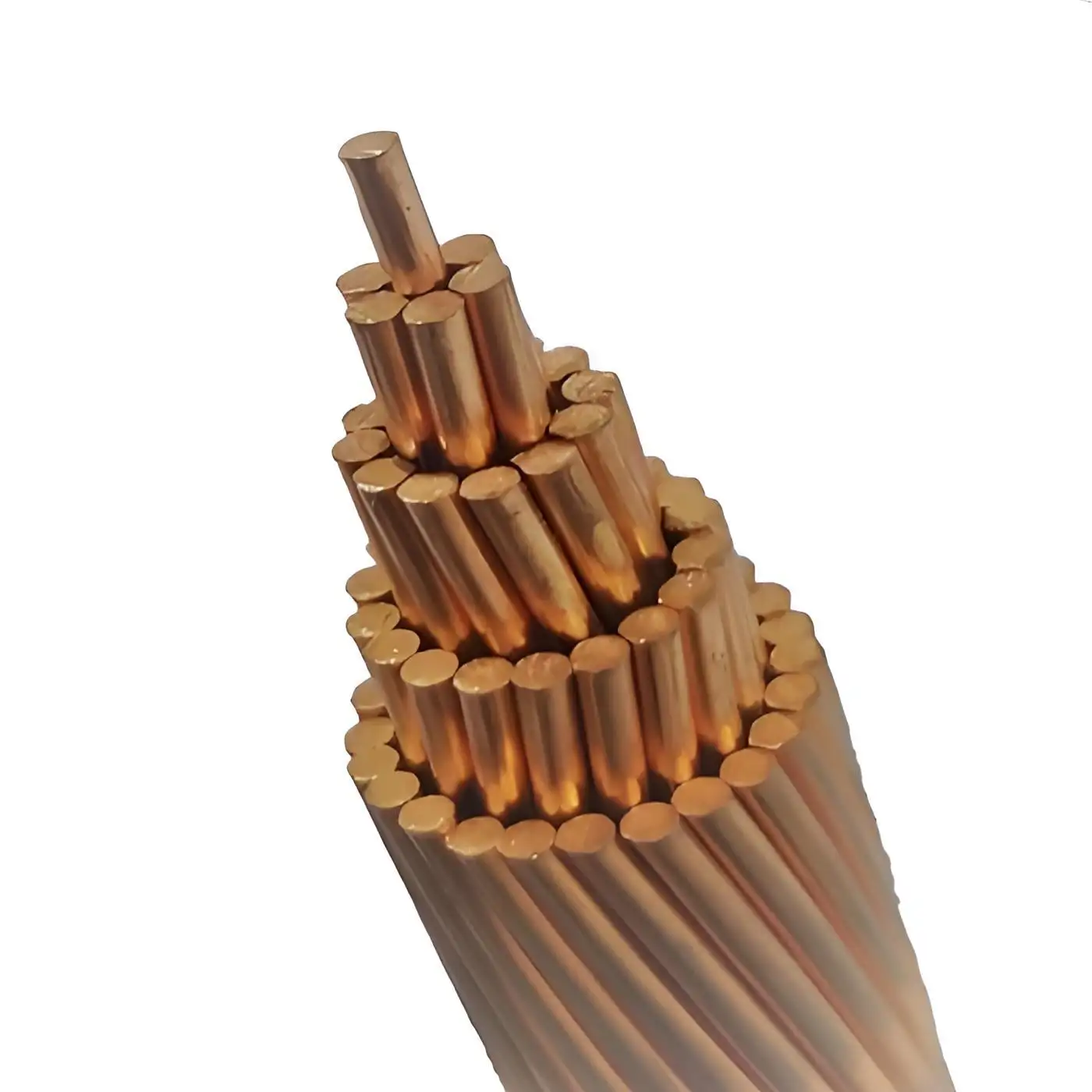
Introduction to Bare Copper Conductors
Bare copper conductors are an integral part of many electrical applications, known for their excellent conductivity and durability. These conductors consist of solid or stranded copper wire without any insulation or coating. In electrical wiring and grounding systems, bare copper conductors are widely used due to their numerous benefits and advantages. In this article, we will delve into the key characteristics and advantages of bare copper conductors, as well as their applications in various electrical settings.
One of the primary reasons for the widespread use of bare copper conductors is their exceptional conductivity. Copper is renowned for its high electrical conductivity, making it an ideal material for conducting electricity with minimal resistance. This property allows for the efficient transmission of electrical current, reducing energy loss and enhancing the overall performance of electrical systems. In comparison to other metal conductors, bare copper conductors offer superior conductivity, making them a preferred choice in many electrical applications.
Furthermore, bare copper conductors are highly durable and resistant to corrosion. Copper, in its bare form, has natural corrosion resistance, which is advantageous in various environments. Whether used in indoor or outdoor settings, bare copper conductors can withstand exposure to moisture, humidity, and other environmental factors without compromising their performance. This durability ensures the longevity and reliability of electrical systems, making bare copper conductors a cost-effective choice for long-term installations.
In addition to their excellent conductivity and durability, bare copper conductors are also easy to work with and install. The absence of insulation or coating allows for straightforward termination and connection methods, which is beneficial for electricians and installers. Whether in residential, commercial, or industrial applications, the flexibility and ease of installation of bare copper conductors contribute to efficient and economical electrical projects.
Another advantage of bare copper conductors is their versatility in various electrical applications. From grounding systems and electrical distribution to power transmission and telecommunications, bare copper conductors are utilized in a wide range of settings. Their reliability and performance make them suitable for demanding applications, where consistent and secure electrical connections are essential.
In conclusion, bare copper conductors play a vital role in electrical applications, offering exceptional conductivity, durability, ease of installation, and versatility. Their ability to provide efficient electrical transmission and withstand environmental factors makes them a preferred choice for electrical wiring and grounding systems. As the demand for reliable and high-performance electrical solutions continues to grow, bare copper conductors will remain an integral component in meeting these needs. Whether in residential, commercial, or industrial settings, the introduction of bare copper conductors has significantly impacted the way electrical systems are designed and implemented.
Advantages of Bare Copper Conductors in Electrical Applications
Bare copper conductors have been a popular choice in electrical applications for many years, and for good reason. These conductors offer a wide range of advantages that make them an ideal option for a variety of electrical tasks. In this article, we will explore the many benefits of using bare copper conductors in electrical applications.
One of the primary advantages of bare copper conductors is their excellent conductivity. Copper is one of the most conductive metals, making it an ideal choice for electrical wiring and other applications where high conductivity is essential. Bare copper conductors, in particular, offer the highest level of conductivity, as they are not covered with any insulation or other materials that may impede the flow of electricity. This makes them an excellent choice for applications where efficient transmission of electrical current is crucial.
Another advantage of bare copper conductors is their durability. Copper is a highly durable material that is resistant to corrosion and other forms of degradation. This makes bare copper conductors a reliable choice for long-term use in a wide range of electrical applications. Additionally, the lack of insulation on bare copper conductors means that they are not susceptible to the same types of damage that can occur with insulated conductors, such as insulation breakdown or cracking.
In addition to their excellent conductivity and durability, bare copper conductors also offer a high level of flexibility. This makes them easy to work with and manipulate, allowing for greater versatility in electrical applications. Whether they are being used in a residential, commercial, or industrial setting, bare copper conductors can be easily bent and shaped to fit the specific needs of a project. This flexibility makes them an ideal choice for applications where space and layout constraints may be a concern.
Bare copper conductors are also a cost-effective option for many electrical applications. Copper itself is a relatively inexpensive material, and the lack of insulation on bare copper conductors means that they require less material and manufacturing processes, further reducing their overall cost. Additionally, the durability and longevity of bare copper conductors mean that they offer excellent value for money, as they are less likely to require frequent replacement or maintenance.
Finally, bare copper conductors are also an environmentally friendly choice for electrical applications. Copper is a highly recyclable material, and using bare copper conductors means that there is less waste generated from insulation materials. This can help to reduce the environmental impact of electrical projects and contribute to a more sustainable approach to construction and maintenance.
In conclusion, bare copper conductors offer a wide range of advantages for electrical applications. Their excellent conductivity, durability, flexibility, cost-effectiveness, and environmental friendliness make them an ideal choice for a variety of projects. Whether they are being used in residential, commercial, or industrial settings, bare copper conductors are a reliable and efficient option for electrical wiring and other applications.
Comparison with Other Types of Conductors
When it comes to selecting the right type of conductor for electrical applications, there are a variety of options available in the market, each with its own set of benefits and drawbacks. One such type of conductor that has gained popularity in recent years is the bare copper conductor. Compared to other types of conductors such as aluminum and insulated copper conductors, bare copper conductors offer a number of unique advantages.
To begin with, bare copper conductors are known for their excellent electrical conductivity. Copper is one of the most conductive materials available, and as a result, bare copper conductors are able to carry electrical currents with minimal resistance. This high level of conductivity makes bare copper conductors an ideal choice for applications that require the transmission of high volumes of electricity, such as in power distribution systems and heavy machinery.
In addition to their exceptional electrical conductivity, bare copper conductors are also highly durable and resistant to corrosion. Unlike insulated conductors, which are coated with a layer of insulation material, bare copper conductors are exposed to the elements. This exposure allows copper to form a natural oxide layer, which serves as a protective barrier against corrosion. As a result, bare copper conductors are able to withstand exposure to moisture, chemicals, and other environmental factors, making them suitable for use in outdoor and industrial settings.
Furthermore, compared to aluminum conductors, bare copper conductors offer superior mechanical strength and flexibility. Copper is a highly malleable material, which means that it can be easily bent, twisted, and shaped without breaking. This flexibility makes bare copper conductors easy to install and allows them to be used in a wide range of applications, including in tight spaces and around corners.
Another advantage of using bare copper conductors is their cost-effectiveness. While copper is generally more expensive than aluminum, bare copper conductors typically require less maintenance and have a longer service life. This means that, in the long run, the overall cost of using bare copper conductors may be lower than that of other types of conductors.
Finally, bare copper conductors are also considered to be more environmentally friendly than other types of conductors. Copper is a fully recyclable material, and using bare copper conductors helps to reduce the environmental impact of electrical installations. Additionally, the longevity and durability of bare copper conductors mean that they need to be replaced less frequently, further reducing their environmental footprint.
In conclusion, while there are several types of conductors available for electrical applications, bare copper conductors offer a unique set of advantages that make them a preferred choice for many industrial and commercial projects. With their exceptional electrical conductivity, durability, flexibility, and cost-effectiveness, bare copper conductors are well-suited for a wide range of applications. Additionally, their environmental friendliness and recyclability make them a sustainable choice for the future of electrical engineering.
Practical Applications of Bare Copper Conductors
Bare copper conductors are an essential component in electrical applications due to their multitude of practical applications. From residential to industrial settings, the benefits of using bare copper conductors are numerous and varied. This article will explore the practical applications of bare copper conductors and their advantages in electrical systems.
Bare copper conductors are widely used in electrical wiring and grounding applications due to their excellent conductivity, corrosion resistance, and durability. One of the key practical applications of bare copper conductors is in residential electrical wiring. They are commonly used in the wiring of homes and buildings to provide a safe and reliable electrical connection. The high conductivity of bare copper conductors ensures efficient and effective electrical transmission, while their corrosion resistance ensures longevity and reliability.
In addition to residential applications, bare copper conductors are also widely used in industrial settings. They are often employed in the wiring of industrial equipment, machinery, and electrical systems due to their ability to handle high electrical currents. The durability of bare copper conductors makes them well-suited for the demanding conditions found in industrial environments, where reliable electrical connections are essential for the smooth operation of machinery and equipment.
Another practical application of bare copper conductors is in grounding systems. Grounding is crucial for the safety and proper functioning of electrical systems, and bare copper conductors are commonly used to provide an effective grounding connection. The high conductivity of bare copper ensures that electrical currents are safely directed away from sensitive equipment and into the ground, preventing the risk of electrical shocks and fires.
Furthermore, bare copper conductors are also used in electrical transmission and distribution systems. They are widely employed in power lines, substations, and electrical infrastructure to transmit and distribute electricity from power plants to homes, businesses, and industries. The excellent conductivity of bare copper conductors makes them ideal for the efficient transmission of electricity over long distances, while their durability ensures reliable performance in all weather conditions.
In addition to their practical applications, bare copper conductors offer a range of advantages in electrical systems. Their high conductivity ensures efficient electrical transmission, resulting in lower energy losses and reduced electricity costs. Furthermore, their corrosion resistance and durability make them a reliable and long-lasting choice for electrical wiring and grounding applications, reducing the need for maintenance and replacement.
In conclusion, the practical applications of bare copper conductors are diverse and essential in a wide range of electrical systems. From residential wiring to industrial machinery, and from grounding systems to electrical transmission and distribution, bare copper conductors play a crucial role in providing safe, reliable, and efficient electrical connections. Their excellent conductivity, corrosion resistance, and durability make them an ideal choice for various electrical applications, ensuring the smooth and efficient operation of electrical systems.
Conclusion: the Future of Bare Copper Conductors in Electrical Engineering
Bare copper conductors have been a staple in electrical engineering for decades, and their future continues to look promising. As technology advances and demands for sustainable and efficient electrical applications increase, the use of bare copper conductors is expected to grow. In this conclusion, we will explore the future of bare copper conductors in electrical engineering, focusing on their benefits and potential developments.
One of the primary reasons for the continued relevance of bare copper conductors is their superior conductivity. Copper is highly conductive, making it an ideal material for transmitting electricity with minimal energy loss. With the global push for energy efficiency and sustainability, the use of bare copper conductors in electrical applications becomes even more crucial. As the world shifts towards renewable energy sources and electric vehicles, the demand for efficient and reliable conductors will only rise, cementing the future of bare copper conductors in electrical engineering.
Additionally, the durability and longevity of bare copper conductors make them a preferred choice for various applications. Unlike coated or insulated conductors, bare copper conductors are less susceptible to damage from environmental factors such as moisture, heat, and UV radiation. This resilience makes them ideal for outdoor installations, such as power distribution lines and ground installations. As infrastructure and construction projects continue to expand, the demand for durable and long-lasting conductors will further drive the use of bare copper in electrical engineering.
Furthermore, the cost-effectiveness of bare copper conductors adds to their appeal in the electrical engineering industry. While copper itself is a valuable and relatively expensive commodity, the longevity and reliability of bare copper conductors offset their initial cost. In comparison to alternative materials, such as aluminum or steel, bare copper conductors offer a more cost-effective solution in the long run. As industries and businesses seek to optimize their resource allocation and minimize operational expenses, the economic benefits of using bare copper conductors will continue to drive their future adoption in electrical engineering.
Looking ahead, advancements in manufacturing and production techniques are expected to further enhance the capabilities of bare copper conductors. Innovations in metallurgy and processing can lead to improvements in conductivity, strength, and flexibility, expanding the potential applications of bare copper conductors in electrical engineering. Additionally, research and development efforts may lead to the discovery of new copper alloys or composite materials that offer even greater performance benefits, solidifying the position of bare copper conductors as a cornerstone of modern electrical systems.
In conclusion, the future of bare copper conductors in electrical engineering is bright and promising. Their exceptional conductivity, durability, cost-effectiveness, and potential for further advancements make them an indispensable component of electrical applications. As the world embraces sustainable energy solutions and technological progress, the demand for reliable and efficient conductors will only continue to grow, ensuring the continued relevance and importance of bare copper conductors in the future of electrical engineering.
Conclusion
In conclusion, the benefits of using bare copper conductors in electrical applications are numerous and significant. From their high conductivity and thermal properties to their cost-effectiveness and ease of installation, bare copper conductors are a solid choice for any electrical project. Their ability to withstand corrosion and environmental factors also make them a reliable option for both indoor and outdoor applications. Overall, using bare copper conductors can greatly improve the efficiency and longevity of an electrical system. Whether you're working on a small DIY project or a large-scale industrial application, considering bare copper conductors is a smart choice that will undoubtedly yield positive results.
Table of Contents
GET IN TOUCH WITH Us
Ready to work with us?

Find us here:
The cable factory from 2007-2018 are mainly for domestic trading and processing to some export tradingcompanies. The average sales amount are about RMB 320,000,000 per year. For cables oversea market, From last may till now we have expanded our market to Bolivia, Peru, Dominican, Philippines, Vietnam, Thailand, Iraq, Mongolia, Indonesia and some Africa country.
Copyright © 2026 KINGYEAR |Sitemap丨Privacy Polcy