


Please fill out the form below to request a quote or to request more information about us. please be as detailed as possible in your message, and we will get back to you as soon as possible with a response. we're ready to start working on your new project, contact us now to get started.
Uncovering The Benefits Of A Bare Copper Conductor
2026-06-08
KINGYEAR
36
Welcome to our article on uncovering the benefits of a bare copper conductor. Copper conductors have long been a staple in electrical wiring, and their bare form offers numerous advantages that are often overlooked. In this article, we will explore the unique benefits of bare copper conductors, including their durability, conductivity, and cost-effectiveness. Whether you are a professional electrician or simply interested in learning more about electrical wiring, this article will provide valuable insights into the advantages of choosing a bare copper conductor for your next project. Read on to discover why this often underappreciated material is an essential component in electrical systems.
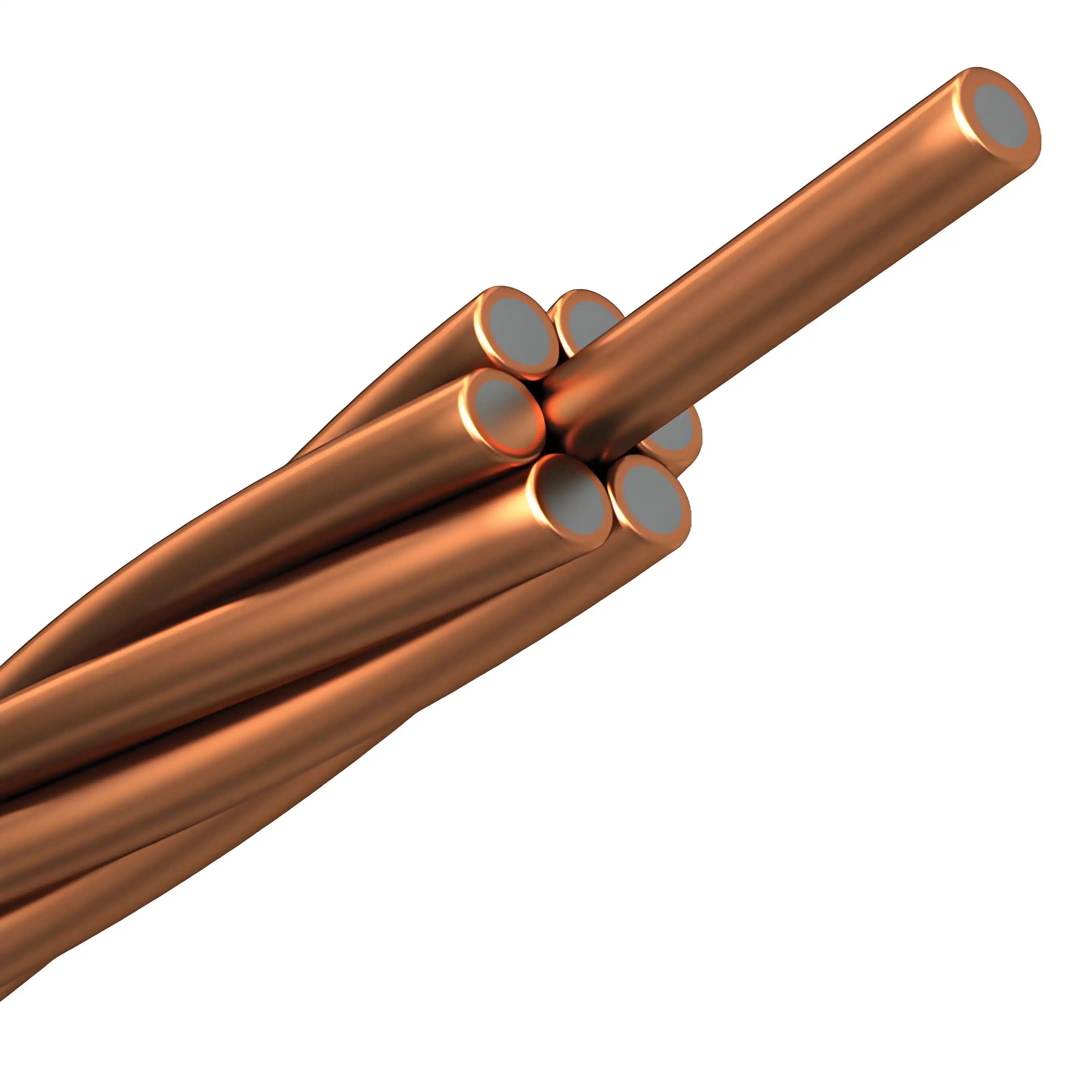
Understanding the Importance of a Bare Copper Conductor
In the world of electrical engineering, the use of bare copper conductors is of utmost importance. These conductors play a crucial role in the transmission of electrical power and maintaining the safety and efficiency of electrical systems. Understanding the importance of a bare copper conductor is essential for anyone involved in the electrical industry, whether it be professionals working in the field, manufacturers producing electrical components, or consumers using electrical products in their daily lives.
One of the primary reasons why bare copper conductors are widely utilized in electrical applications is their excellent electrical conductivity. Copper is known for its high conductivity, making it an ideal material for conducting electricity. This means that electrical current can flow through a bare copper conductor with minimal obstruction, resulting in efficient power transmission. Additionally, the use of bare copper conductors helps minimize power loss, as they offer low resistance to the flow of electricity. This is particularly important in large-scale electrical systems, where any power loss can have significant financial and operational implications.
Another key benefit of using bare copper conductors is their high ductility and malleability. Copper is a highly ductile metal, meaning it can be easily molded and shaped into wires of various sizes and configurations. This property allows for the flexibility and adaptability of bare copper conductors, making them suitable for a wide range of applications. Whether it's wiring in buildings, electrical grounding systems, or power distribution networks, bare copper conductors can be customized to meet the specific requirements of different electrical installations.
Furthermore, bare copper conductors offer exceptional thermal conductivity, which is critical for maintaining the safety and reliability of electrical systems. Heat is a natural byproduct of electrical current flowing through a conductor, and it is essential to dissipate this heat effectively to prevent overheating and potential damage to the system. Copper's high thermal conductivity allows for efficient heat dissipation, reducing the risk of overheating and ensuring the long-term performance of electrical components. This makes bare copper conductors a preferred choice for applications where thermal management is a significant consideration, such as in high-power electrical systems and industrial machinery.
In addition to their electrical and thermal properties, bare copper conductors also exhibit excellent corrosion resistance. Copper is inherently resistant to corrosion, making it a durable and long-lasting material for electrical wiring and components. This is especially important in outdoor and harsh environments where exposure to moisture, chemicals, and other corrosive elements can degrade the performance and reliability of electrical systems. The use of bare copper conductors helps mitigate the risk of corrosion-related issues, ensuring the longevity and integrity of electrical installations in demanding conditions.
In conclusion, understanding the importance of a bare copper conductor is essential for realizing the numerous benefits it offers in electrical applications. From its high conductivity and low resistance to its ductility, thermal conductivity, and corrosion resistance, bare copper conductors are an indispensable component in the modern electrical industry. By leveraging the unique properties of copper, electrical professionals and manufacturers can design and implement safe, efficient, and reliable electrical systems to meet the diverse needs of society.
Advantages of Using Bare Copper Conductors in Electrical Systems
Copper has been a preferred material for electrical conductors for many years, and one of the most common types of copper conductors used in electrical systems is bare copper conductors. These conductors, which are made of pure, solid copper, offer a number of advantages over other types of conductors, making them an ideal choice for a wide range of applications.
One of the primary advantages of using bare copper conductors in electrical systems is their excellent conductivity. Copper is known for its high electrical conductivity, which means that it can carry electrical currents with minimal resistance. This is important in electrical systems, as it helps to minimize power loss and ensure that electricity can be delivered efficiently and effectively. In addition, the high conductivity of bare copper conductors makes them well-suited for use in high-power applications, where the ability to handle large electrical currents is essential.
Another advantage of bare copper conductors is their durability. Copper is a highly durable material that is resistant to corrosion, which makes it well-suited for use in a variety of environments. This means that bare copper conductors can be used both indoors and outdoors, and can withstand exposure to moisture, chemicals, and other potential sources of damage. In addition, the durability of bare copper conductors makes them a reliable choice for long-term use, as they are less likely to degrade or fail over time.
In addition to their conductivity and durability, bare copper conductors also offer the advantage of being easy to work with. Copper is a malleable and ductile material, which means that it can be easily bent, shaped, and formed into the desired configuration. This makes bare copper conductors easy to install and work with, and allows for greater flexibility in the design and layout of electrical systems. In addition, the flexibility of bare copper conductors makes them well-suited for use in applications where tight spaces or complex configurations are a factor.
Lastly, another advantage of using bare copper conductors in electrical systems is their cost-effectiveness. While copper is a relatively expensive material, the long-term benefits of using bare copper conductors can outweigh the initial investment. Because of their high conductivity and durability, bare copper conductors can provide reliable and efficient performance over the long term, which can help to minimize maintenance and replacement costs. In addition, the ease of installation and workability of bare copper conductors can also help to reduce labor and material costs.
In conclusion, the advantages of using bare copper conductors in electrical systems are numerous. From their excellent conductivity and durability to their ease of use and cost-effectiveness, bare copper conductors offer a range of benefits that make them an ideal choice for a wide variety of applications. Whether used in residential, commercial, or industrial settings, bare copper conductors are a reliable and efficient option for delivering electricity where it is needed.
Uncovering the Durability and Reliability of Bare Copper Conductors
Bare copper conductors have been a staple in the electrical industry for many years. Their durability and reliability make them a popular choice for a wide range of applications. From electrical wiring in homes and buildings to power transmission and distribution systems, bare copper conductors offer numerous benefits that set them apart from other types of conductors.
One of the key advantages of bare copper conductors is their durability. Copper is known for its high tensile strength and resistance to corrosion, making it an ideal material for use in harsh environments. Whether exposed to extreme temperatures, moisture, or chemicals, bare copper conductors can withstand the elements and continue to perform reliably over time.
In addition to their durability, bare copper conductors also offer excellent electrical conductivity. Copper is one of the most conductive metals, allowing for efficient transmission of electricity with minimal loss. This high level of conductivity is crucial in applications that demand high performance and reliability, such as power distribution and transmission systems.
Another important aspect of bare copper conductors is their flexibility. Copper is a malleable metal that can be easily formed and bent to fit the specific requirements of different installations. This flexibility makes it easier to work with and allows for more efficient use of space, especially in tight or confined areas.
Furthermore, bare copper conductors are environmentally friendly and sustainable. Copper is a naturally occurring element that can be recycled and reused without losing its electrical properties. As a result, choosing bare copper conductors over other materials can contribute to a more sustainable and eco-friendly approach to electrical infrastructure.
When it comes to long-term reliability, bare copper conductors have a proven track record. Unlike some other conductor materials, copper does not degrade or weaken over time, ensuring consistent performance and minimal maintenance requirements. This reliability is essential in critical applications where downtime and failure can have serious consequences.
In conclusion, the durability and reliability of bare copper conductors make them an excellent choice for a wide range of electrical applications. From their high tensile strength and resistance to corrosion to their excellent electrical conductivity and flexibility, bare copper conductors offer numerous benefits that set them apart from other types of conductors. Additionally, their environmentally friendly and sustainable nature further contributes to their appeal. For those seeking a conductor that can deliver consistent performance and withstand the test of time, bare copper conductors are an excellent choice.
Exploring the Cost-Effectiveness of Bare Copper Conductors
In the world of electrical wiring, the choice of conductor material is a critical factor that can significantly impact the overall performance, safety, and cost-effectiveness of the system. While there are various options available, one material that has been gaining attention for its cost-effectiveness and performance is bare copper conductors. In this article, we will delve into the benefits and explore the cost-effectiveness of using bare copper conductors in electrical applications.
Bare copper conductors are exactly what their name suggests – copper conductors without any outer insulation or protective covering. This makes them unique compared to other types of conductors, such as insulated copper conductors or aluminum conductors. The use of bare copper conductors has been increasingly popular due to several key advantages that they offer.
One of the primary benefits of using bare copper conductors is their excellent conductivity. Copper is known for its superior electrical conductivity, which means that it can efficiently carry electric current with minimal energy loss. This is crucial for electrical systems, as it helps ensure the smooth flow of electricity and reduces the risk of overheating or power wastage. As a result, bare copper conductors are often preferred in applications where high conductivity is essential, such as in power distribution, grounding systems, and electrical earthing.
Furthermore, bare copper conductors are highly durable and resistant to corrosion. Unlike insulated conductors, which may be susceptible to damage from exposure to moisture, chemicals, or mechanical stress, bare copper conductors are inherently more robust and can withstand harsh environmental conditions. This makes them suitable for outdoor installations, underground wiring, and industrial settings where corrosion resistance is a critical requirement.
In addition to their electrical and mechanical properties, the cost-effectiveness of using bare copper conductors is another key factor to consider. While copper is generally more expensive than aluminum, the long-term cost benefits of bare copper conductors often outweigh the initial investment. Copper has a significantly longer lifespan than aluminum and requires minimal maintenance, which can result in lower overall operating costs over the lifetime of the electrical system. Moreover, the superior conductivity of copper means that smaller cross-sectional areas of conductors can be used to achieve the same electrical performance, leading to reduced material usage and lower installation expenses.
From a sustainability perspective, bare copper conductors also offer environmental advantages. Copper is fully recyclable and has a high scrap value, making it an environmentally friendly choice for electrical wiring. By opting for bare copper conductors, organizations can contribute to reducing the environmental impact of their operations and support sustainable practices in the industry.
In conclusion, the benefits of using bare copper conductors in electrical applications are clear. Their superior conductivity, durability, and cost-effectiveness make them an attractive option for various electrical installations and industrial projects. As the demand for reliable and efficient electrical systems continues to grow, the use of bare copper conductors is expected to rise, driven by their performance advantages and long-term value. Whether it is for power distribution, grounding, or earthing, exploring the cost-effectiveness of bare copper conductors can lead to significant benefits for organizations and contribute to the overall reliability and sustainability of electrical infrastructure.
Harnessing the Environmental Benefits of Bare Copper Conductors for Sustainable Practices
Bare copper conductors are gaining recognition for their environmental benefits and their potential to help promote sustainable practices in various industries. In this article, we will explore the significant advantages of utilizing bare copper conductors, and how they can contribute to environmentally friendly policies and practices.
Bare copper conductors are essentially copper wires that are not coated or insulated with any other material. This means that they are made entirely of copper, a highly conductive and durable metal with excellent electrical properties. As a result, bare copper conductors are known for their superior conductivity, making them an ideal choice for electrical wiring and transmission of electrical power.
One of the most significant environmental benefits of bare copper conductors is their recyclability. Copper is a highly recyclable material, and using bare copper conductors promotes a circular economy by reducing the need for new copper production. Additionally, the recycling process for copper is relatively energy-efficient, further contributing to the environmental advantages of using bare copper conductors.
Furthermore, bare copper conductors are also free from the harmful substances commonly found in insulation materials used in traditional coated wires. By eliminating the need for insulation, bare copper conductors reduce the environmental impact associated with the production and disposal of insulation materials. This makes them a more sustainable and eco-friendly option compared to traditional insulated wires.
In addition to their environmental benefits, bare copper conductors offer practical advantages for sustainable practices in various industries. Their high conductivity and durability make them an ideal choice for electric power transmission, reducing energy loss and improving overall efficiency. This can lead to energy savings and reduced greenhouse gas emissions, contributing to the promotion of sustainable energy practices.
The use of bare copper conductors is particularly relevant in industries that prioritize sustainability and environmental responsibility, such as renewable energy, electric transportation, and green building construction. In the renewable energy sector, bare copper conductors play a crucial role in the transmission of power generated from solar, wind, and hydroelectric sources, enabling the efficient and reliable transfer of clean energy to the grid.
Furthermore, the growing adoption of electric vehicles and the development of sustainable transportation infrastructure also highlight the significance of bare copper conductors. These conductors are essential for the efficient charging and distribution of electric power in vehicle charging stations, contributing to the advancement of electric mobility and the reduction of emissions from traditional combustion engines.
Moreover, in the construction industry, the use of bare copper conductors aligns with green building practices and sustainable design principles. By prioritizing eco-friendly materials and energy-efficient technologies, construction projects can reduce their environmental footprint and contribute to the creation of more sustainable built environments.
In conclusion, the environmental benefits and practical advantages of bare copper conductors make them a valuable resource for promoting sustainable practices across various industries. Their recyclability, energy efficiency, and suitability for renewable energy and electric transportation applications position them as a key component in the advancement of eco-friendly and sustainable initiatives. By harnessing the environmental benefits of bare copper conductors, industries can contribute to a more sustainable and environmentally responsible future.
Conclusion
In conclusion, it is clear that there are numerous benefits to utilizing a bare copper conductor in various electrical applications. From its superior conductivity to its resistance to corrosion and longevity, bare copper conductors offer a reliable and cost-effective solution for transmitting electrical currents. Additionally, their flexibility and ease of installation make them a popular choice among electricians and engineers. Whether in residential, commercial, or industrial settings, the advantages of using bare copper conductors cannot be overlooked. As technology continues to advance, it is clear that these benefits will only continue to make bare copper conductors a valuable component in the world of electrical engineering.
Table of Contents
GET IN TOUCH WITH Us
Ready to work with us?

Find us here:
The cable factory from 2007-2018 are mainly for domestic trading and processing to some export tradingcompanies. The average sales amount are about RMB 320,000,000 per year. For cables oversea market, From last may till now we have expanded our market to Bolivia, Peru, Dominican, Philippines, Vietnam, Thailand, Iraq, Mongolia, Indonesia and some Africa country.
Copyright © 2026 KINGYEAR |Sitemap丨Privacy Polcy