


Please fill out the form below to request a quote or to request more information about us. please be as detailed as possible in your message, and we will get back to you as soon as possible with a response. we're ready to start working on your new project, contact us now to get started.
Understanding Aerial Bundled Cables: An Overview Of Installation And Benefits
2026-05-16
KINGYEAR
40
Welcome to our article on aerial bundled cables! In this comprehensive overview, we will dive into the installation process and explore the many benefits of using aerial bundled cables. Whether you're a professional in the electrical industry or simply looking to learn more about this innovative technology, this article will provide valuable insights and practical information. Join us as we unravel the various advantages and considerations of using aerial bundled cables in electrical systems.
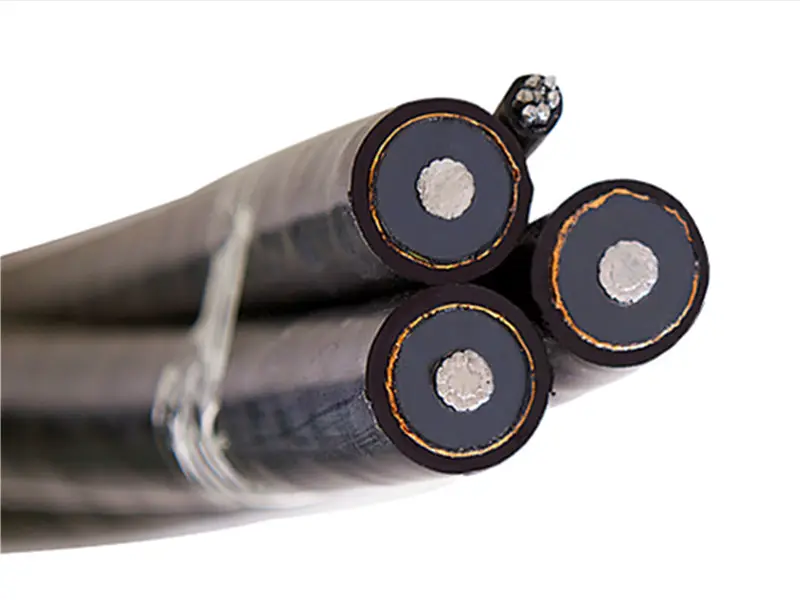
What are Aerial Bundled Cables and How Do They Work?
Aerial bundled cables, also known as ABC cables, are a revolutionary way of transmitting electricity through overhead power lines. These cables are made up of multiple insulated conductors that are bundled together and wrapped with a weather-resistant outer layer. This innovative design offers numerous benefits over traditional bare conductor systems, and understanding how they work and the installation process is crucial for anyone involved in the electrical industry.
One of the key advantages of aerial bundled cables is their insulation. Unlike traditional bare conductor systems, ABC cables have each individual conductor insulated, which eliminates the risk of power outages caused by conductor-to-conductor contact or ground faults. This not only improves the reliability of the electrical system but also enhances safety for both workers and the general public.
In terms of installation, the process of setting up aerial bundled cables is relatively straightforward. The cables are usually installed on utility poles using specially designed accessories such as clamps and hangers. The bundled design of the cables also makes installation more efficient, as multiple conductors can be installed simultaneously. This not only saves time and labor costs but also minimizes the impact on the surrounding environment.
In addition to their ease of installation and improved safety, aerial bundled cables offer several other benefits. For starters, their insulated design makes them less susceptible to environmental factors such as moisture and temperature fluctuations, leading to a longer service life and reduced maintenance requirements. This can result in significant cost savings for utility companies over the lifetime of the cables.
Furthermore, the use of aerial bundled cables can also lead to a reduction in power losses. The insulation of the individual conductors helps to minimize the leakage of electricity, resulting in improved efficiency and lower energy costs. This is particularly beneficial in areas where power supply is unreliable or where electricity is expensive, as the use of ABC cables can help to maximize the available resources.
From a practical standpoint, the compact design of aerial bundled cables also makes them less obtrusive in urban and residential areas. The smaller profile of these cables reduces visual impact and minimizes the risk of accidental contact, making them a preferred choice for densely populated areas.
In conclusion, aerial bundled cables represent a significant advancement in overhead power transmission technology. Their insulated design, ease of installation, and numerous benefits make them a compelling choice for utility companies looking to improve the reliability, safety, and efficiency of their electrical systems. As the demand for power continues to grow, aerial bundled cables are likely to play an increasingly important role in shaping the future of electrical distribution. Understanding their capabilities and how they work is essential for anyone involved in the design, installation, and maintenance of electrical infrastructure.
The Installation Process for Aerial Bundled Cables: Best Practices and Considerations
Aerial bundled cables (ABC) have become an increasingly popular choice for electrical distribution systems due to their numerous advantages over traditional overhead lines. These cables, also known as overhead insulated cables, are comprised of multiple insulated conductors bundled together and typically surrounded by a polyethylene jacket. The installation process for aerial bundled cables requires careful planning, adherence to best practices, and consideration of various factors to ensure the successful implementation of the system.
One of the key considerations during the installation of aerial bundled cables is the selection of suitable mounting hardware. Properly designed and tested hardware is essential for supporting the weight of the cables and maintaining the appropriate clearances required for safe and reliable operation. The hardware must also be corrosion-resistant to withstand the environmental conditions typical of outdoor installations.
Furthermore, the installation process for aerial bundled cables involves the proper preparation of the route where the cables will be installed. This may include clearing any vegetation, removing existing infrastructure, and excavating trenches or erecting support structures as necessary. Careful planning and coordination with other utilities and stakeholders are also crucial to minimize disruption and ensure the safety of the installation crew and the public.
Additionally, the tensioning and sagging of the aerial bundled cables is a critical aspect of the installation process. Proper tensioning ensures that the cables are securely supported and remain within the specified mechanical and electrical clearances. It is essential to use appropriate tensioning equipment and follow manufacturer’s recommendations to achieve the desired tension levels and avoid over-stressing the cables.
Another important consideration during the installation of aerial bundled cables is the proper termination and connection of the conductors. The use of approved and properly sized connectors and splices is vital to maintaining the electrical integrity of the system and preventing any potential faults or failures. It is also essential to adhere to the recommended installation techniques to ensure the long-term reliability of the connections.
Moreover, the installation process for aerial bundled cables should comply with all applicable industry standards and regulations. This includes adherence to the recommended installation practices outlined by organizations such as the International Electrotechnical Commission (IEC) or the Institute of Electrical and Electronics Engineers (IEEE). Compliance with these standards is essential to ensure the safety, performance, and reliability of the installed system.
In conclusion, the installation process for aerial bundled cables requires careful planning, adherence to best practices, and consideration of various factors to ensure the successful implementation of the system. By selecting suitable mounting hardware, properly preparing the installation route, maintaining appropriate tension levels, and ensuring proper termination and connection of conductors, the installation crew can achieve a safe and reliable electrical distribution system. Additionally, compliance with industry standards and regulations is essential to ensure the long-term performance and reliability of the installed aerial bundled cables.
The Benefits of Aerial Bundled Cables: Efficiency, Safety, and Cost-Effectiveness
Aerial bundled cables (ABC) are a type of power cable that is commonly used for overhead power distribution. These cables are made up of multiple insulated conductors that are bundled together for increased efficiency and durability. In recent years, ABC has gained popularity due to its numerous benefits, including efficiency, safety, and cost-effectiveness. This article will provide an overview of the installation process and delve into the benefits of using aerial bundled cables for power distribution.
Efficiency is a key benefit of using aerial bundled cables. These cables are designed to reduce power losses and improve energy efficiency compared to traditional bare conductor overhead systems. The insulated conductors bundled together in ABC reduce the impact of environmental factors such as rain, wind, and ice, resulting in a more reliable and efficient power distribution system. Additionally, ABC can handle higher current levels, which allows for increased power capacity and reduced voltage drops, ultimately leading to improved efficiency in power transmission.
Safety is another important factor to consider when it comes to power distribution systems. Aerial bundled cables are inherently safer than traditional bare conductor systems. The insulation provided by the bundled conductors reduces the risk of electrical faults and minimizes the potential for power outages and electrical fires. Moreover, the use of ABC eliminates the need for ground wires, which can reduce the risk of injury to wildlife and the public, making it a safer option for power distribution in urban and rural areas.
Cost-effectiveness is a significant advantage of using aerial bundled cables. Although the initial installation cost of ABC may be slightly higher than traditional bare conductor systems, the long-term benefits far outweigh the initial investment. The improved efficiency and reduced maintenance requirements of ABC result in lower operating costs over time. Additionally, the enhanced safety features of ABC can lead to reduced insurance premiums and liability costs for power distribution companies.
The installation process of aerial bundled cables involves careful planning and expertise to ensure a successful implementation. The first step in the installation of ABC is to determine the appropriate location for the cables and assess the environmental and regulatory considerations. This may involve obtaining permits and approvals from local authorities and conducting environmental impact assessments. Once the location has been determined, the installation process can begin, which typically involves the use of specialized equipment and skilled labor to safely and efficiently place the cables overhead.
In conclusion, aerial bundled cables offer numerous benefits, including improved efficiency, safety, and cost-effectiveness, making them an attractive option for power distribution systems. The installation of ABC requires careful planning and expertise to ensure a successful implementation. As the demand for reliable and efficient power distribution continues to grow, aerial bundled cables are likely to become an increasingly popular choice for utilities and power distribution companies seeking to enhance their infrastructure.
Case Studies: Successful Implementations of Aerial Bundled Cables
Aerial bundled cables (ABC) have become increasingly popular in the power distribution industry due to their numerous benefits and successful implementations. This article explores the installation and benefits of ABC, with a specific focus on case studies that demonstrate their successful use in various scenarios.
ABC is a type of power cable that consists of multiple insulated conductors bundled together and wrapped in a protective layer. This design offers several advantages over traditional overhead power lines, including improved safety, reliability, and cost-effectiveness. As a result, many companies and utilities have turned to ABC for their power distribution needs and have seen significant positive outcomes.
One such successful implementation of ABC can be found in a rural community in South America. Prior to the installation of ABC, this community experienced frequent power outages and safety hazards due to the degradation of their overhead power lines. However, after the implementation of ABC, the community saw a dramatic reduction in power interruptions and an overall improvement in the reliability of their electrical system. Additionally, the insulated nature of the ABC reduced the risk of electrocution and fire, leading to a safer environment for the residents.
In another case study, a utility company in Europe chose to replace their aging overhead power lines with ABC in an effort to modernize their infrastructure and reduce maintenance costs. The switch to ABC proved to be a wise investment, as the company experienced a significant decrease in maintenance expenses and a longer service life for their power distribution system. This successful implementation not only saved the company money in the long run but also improved the overall efficiency and performance of their electrical grid.
Furthermore, a municipality in the United States utilized ABC for a new construction project in an urban area. The compact and lightweight nature of ABC made it the ideal choice for this densely populated area, as it minimized the need for large, unsightly overhead pylons and reduced the risk of accidental contact with power lines. This implementation of ABC not only improved the aesthetics of the city but also enhanced the safety and reliability of the electrical infrastructure.
In conclusion, the successful implementations of aerial bundled cables in various settings demonstrate the numerous benefits of this innovative power distribution solution. From improved safety and reliability to cost-effectiveness and efficiency, ABC has proven to be a valuable asset for companies, utilities, and municipalities around the world. As the demand for reliable and modern power distribution systems continues to grow, the use of aerial bundled cables is expected to become even more widespread in the future.
Looking to the Future: Advancements and Innovations in Aerial Bundled Cable Technology
Aerial bundled cables, also known as ABC cables, have been making strides in the field of electrical infrastructure due to their various benefits and a continuous stream of advancements and innovations. In this article, we will delve into the world of aerial bundled cables, understanding their installation process, and exploring the numerous advantages they offer.
Aerial bundled cables are a type of power cable that consists of multiple insulated conductors bundled together with a bare neutral conductor. Unlike traditional overhead power lines, which consist of individual conductors suspended from poles, aerial bundled cables are designed to be installed as a single unit. This unique configuration makes them more convenient and cost-effective to install, while also reducing the risk of accidental contact with the conductors.
One of the key advancements in aerial bundled cable technology is the development of materials that enhance their durability and longevity. High-quality materials such as cross-linked polyethylene (XLPE) for insulation and aluminum for the conductors have significantly improved the performance and reliability of aerial bundled cables, even in harsh environmental conditions.
Furthermore, innovations in the design of aerial bundled cables have led to the development of self-supporting insulated cables, which can be installed without the need for separate support structures such as poles or towers. This not only simplifies the installation process but also reduces the visual impact of overhead power lines, making them more aesthetically pleasing in urban and suburban areas.
The benefits of aerial bundled cables are numerous. One of the most significant advantages is their improved safety features. By bundling the conductors together and adding a neutral messenger, the risk of phase-to-phase and phase-to-ground faults is greatly reduced. This makes aerial bundled cables a safer option for overhead power distribution, especially in areas with high population density.
Additionally, aerial bundled cables offer enhanced resistance to environmental factors such as moisture, UV radiation, and temperature fluctuations. This makes them a reliable choice for use in both rural and urban settings, where overhead power lines are exposed to a wide range of weather conditions.
From an economic perspective, the installation of aerial bundled cables is more cost-effective compared to traditional overhead power lines. The simplified installation process and reduced maintenance requirements contribute to lower overall operational costs, making aerial bundled cables a favorable option for power distribution companies and utility providers.
In conclusion, the advancements and innovations in aerial bundled cable technology have transformed the way we approach overhead power distribution. With their enhanced safety features, durability, and cost-effectiveness, aerial bundled cables have become a preferred choice for electrical infrastructure projects. As we look to the future, it is evident that aerial bundled cables will continue to play a crucial role in the advancement of electrical power distribution systems.
Conclusion
In conclusion, aerial bundled cables offer a modern and efficient solution for power distribution systems. Their installation offers various benefits such as cost-effectiveness, improved safety, and reduced power theft. Understanding the installation process and benefits of aerial bundled cables provides valuable insight for power distribution companies and consumers alike. By opting for this innovative technology, communities can enjoy reliable and efficient power supply while also contributing to a more sustainable and environmentally friendly energy infrastructure. As the demand for electricity continues to rise, aerial bundled cables are a promising solution for meeting the growing needs of modern societies. With the installation of these cables, communities can look forward to a more resilient and reliable power distribution system, ultimately improving the overall quality of life for all.
Table of Contents
GET IN TOUCH WITH Us
Chinese cable manufacturing giant quietly enters the North American market, reshaping global supply chain dynamics.
Ready to work with us?

Find us here:
The cable factory from 2007-2018 are mainly for domestic trading and processing to some export tradingcompanies. The average sales amount are about RMB 320,000,000 per year. For cables oversea market, From last may till now we have expanded our market to Bolivia, Peru, Dominican, Philippines, Vietnam, Thailand, Iraq, Mongolia, Indonesia and some Africa country.
Copyright © 2026 KINGYEAR |Sitemap丨Privacy Polcy